
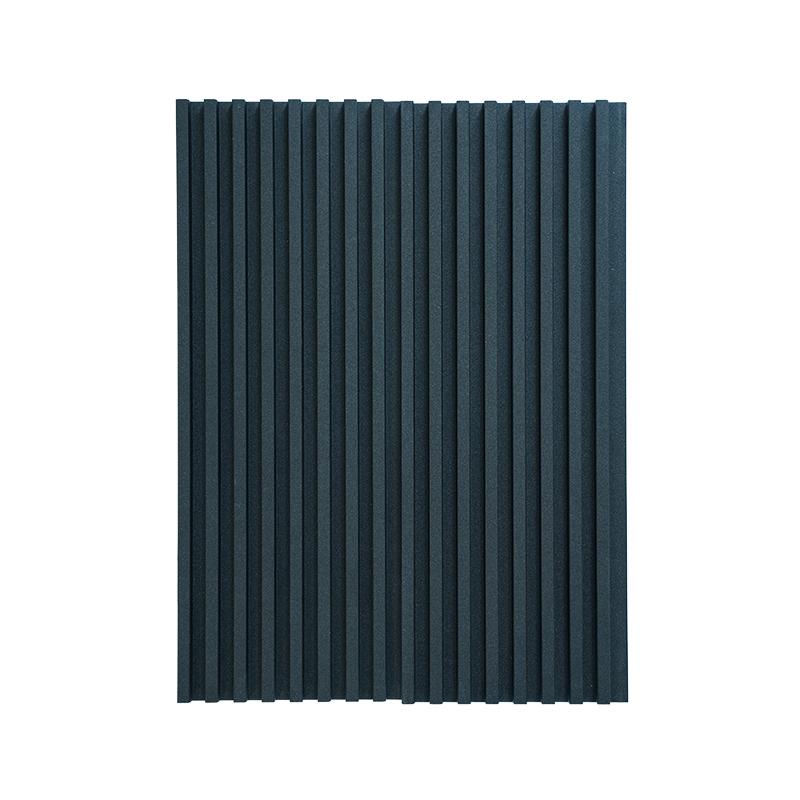
The building materials market continuously evolves with products that offer improved performance and easier installation, and a significant innovation in this space is the WPC Wall Panel. This product, whose name stands for Wood Plastic Composite, represents a modern approach to interior and exterior wall cladding. A WPC Wall Panel is manufactured from a blend of wood fibers or flour and thermoplastics, creating a material that harnesses the beneficial properties of both components. The resulting panel is engineered to provide a durable, low-maintenance, and aesthetically versatile solution for covering walls. The growing popularity of the WPC Wall Panel is largely due to its ability to address common drawbacks associated with traditional wood cladding, such as susceptibility to moisture, rotting, and insect damage, while offering a consistent and modern appearance.
The manufacturing process of a WPC Wall Panel involves combining the raw materials under heat and pressure. The wood component, often sourced from recycled or sustainable origins, provides the natural texture and rigidity, while the plastic polymer, which can also be recycled, contributes moisture resistance and plasticity. This mixture is extruded through a die to form the profile of the WPC Wall Panel, which can mimic the look of wood grain, stone, or other textures. The extrusion process allows for the creation of panels with integrated locking systems, such as tongue-and-groove edges, which facilitate a straightforward and secure installation. The surface of the WPC Wall Panel is typically finished with a protective coating that enhances its resistance to UV rays, fading, and scratches, ensuring its longevity and color stability.
The practical benefits of choosing WPC Wall Panel for a project are substantial. For interior spaces like bathrooms, kitchens, and balconies, the inherent moisture resistance of the WPC Wall Panel makes it an ideal choice, as it will not warp or swell in humid conditions. Its durability also makes it suitable for high-traffic commercial areas. Installation of the WPC Wall Panel system is generally designed for efficiency; the panels can often be installed directly over an existing flat surface using a hidden clip system or adhesive, reducing preparation time and labor costs. Furthermore, the WPC Wall Panel requires minimal upkeep; it does not need periodic painting or sealing and can be cleaned easily with soap and water, offering long-term savings on maintenance.
The WPC Wall Panel stands as a testament to material science innovation in the construction industry. It successfully combines the aesthetic appeal of wood with the practical, resilient properties of plastic. The functional advantages of the WPC Wall Panel, including its durability, moisture resistance, and easy installation, make it a compelling alternative to traditional wall cladding materials. As the demand for sustainable, low-maintenance building solutions continues to rise, the role of the WPC Wall Panel in both residential and commercial design is poised for further growth. The WPC Wall Panel represents a smart and contemporary choice for modern building envelopes.

 English
 Arabic
 Spanish
 Portuguese
 Deutsch
 Turkish
 Dutch
Dutch
 Italiano
 Russian
 Romaian
 Portuguese (Brazil)
 Greek
Greek
Warning: Undefined array key "_is_photo" in /home/senmarri/public_html/friend24.in/content/themes/default/templates_compiled/9ea4999d05077b6b690d81624544cd64a51b1299_0.file.__feeds_post.comments.tpl.php on line 27
Warning: Attempt to read property "value" on null in /home/senmarri/public_html/friend24.in/content/themes/default/templates_compiled/9ea4999d05077b6b690d81624544cd64a51b1299_0.file.__feeds_post.comments.tpl.php on line 27
" style="background-image:url(
Warning: Undefined array key "user_picture" in /home/senmarri/public_html/friend24.in/content/themes/default/templates_compiled/19bd7b5d2fc32801d9316dbc2d8c5b25c99e72c3_0.file.__feeds_comment.form.tpl.php on line 31
);">
/home/senmarri/public_html/friend24.in/content/themes/default/templates_compiled/9ea4999d05077b6b690d81624544cd64a51b1299_0.file.__feeds_post.comments.tpl.php on line 128
Warning: Attempt to read property "value" on null in /home/senmarri/public_html/friend24.in/content/themes/default/templates_compiled/9ea4999d05077b6b690d81624544cd64a51b1299_0.file.__feeds_post.comments.tpl.php on line 128
">