
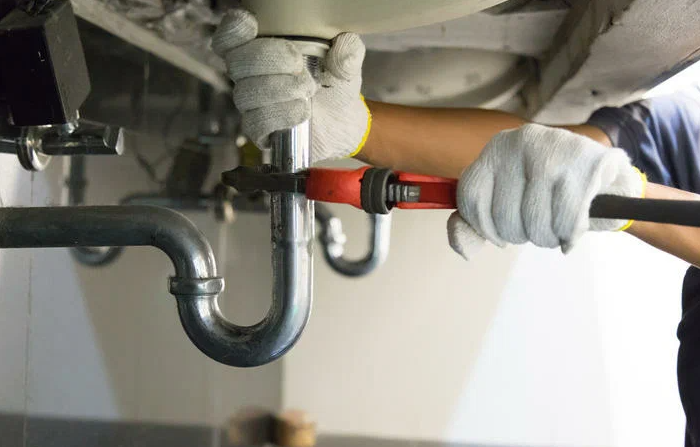
When the seasons shift and temperatures rise or fall, one of the most overlooked parts of your home that feels the impact is the plumbing system. Pipes, faucets, and water heaters all react to temperature fluctuations, often in ways that can lead to damage or inefficiency. Understanding how these temperature changes affect your plumbing helps you take preventive measures, saving you from expensive repairs and inconvenient breakdowns.
The Science Behind Temperature and Plumbing
Temperature changes influence the physical properties of materials used in plumbing systems. Most pipes, whether metal or plastic, expand when heated and contract when cooled. Over time, this continuous expansion and contraction weakens the pipe walls and joints, making them more susceptible to leaks and bursts.
In colder months, especially when temperatures drop below freezing, the water inside pipes can freeze and expand. This expansion creates immense pressure inside the pipe, which can cause cracks or even complete ruptures. Conversely, in warmer weather, high temperatures can increase water pressure and strain joints and seals, particularly if your plumbing system isn’t properly maintained.
Effects of Cold Weather on Plumbing
Cold weather is the most common culprit behind plumbing problems. When temperatures dip, the water in exposed or poorly insulated pipes can freeze. Since water expands as it freezes, it can force open joints or split pipes, resulting in leaks once the ice thaws.
Frozen Pipes
Frozen pipes are a serious risk in winter. They can cut off your water supply and, once thawed, lead to significant flooding. Pipes located in unheated areas such as basements, attics, garages, and exterior walls are particularly vulnerable.
Water Heater Strain
During colder months, water heaters work harder to maintain the desired water temperature. This increased workload can accelerate wear and tear, especially if the heater is already old or inefficient. Sediment buildup in the tank can also cause the system to overheat and lose efficiency.
Cracked Fixtures
Extreme cold can cause the metal and plastic components of faucets and valves to contract, creating small cracks or leaks over time. Regular inspection of these fixtures during winter can help catch these issues early.
Effects of Hot Weather on Plumbing
While cold weather can cause pipes to freeze and burst, hot weather poses its own challenges. The heat can dry out plumbing components, increase pressure in the system, and cause materials to expand.
Pipe Expansion and Contraction
As temperatures rise, pipes expand. Repeated expansion and contraction, particularly in areas where temperature swings are common, can loosen joints and cause small leaks. Underground pipes may also shift slightly in hot conditions, putting stress on connections.
Increased Water Pressure
Hot weather often leads to higher water usage—watering lawns, filling pools, or taking more frequent showers. The added demand on the plumbing system can result in increased water pressure. If your system isn’t equipped with a pressure regulator, this pressure can strain pipes and fittings, causing them to leak.
Water Quality Issues
High temperatures can affect the quality of your water. For homes with water storage tanks, heat can create an environment that encourages bacterial growth. Additionally, in extremely dry or hot conditions, minerals in the water can concentrate, leading to scale buildup inside pipes and on fixtures.
How to Protect Your Plumbing from Temperature Changes
The good news is that with the right preventive measures, you can protect your plumbing system from damage caused by temperature fluctuations.
Insulate Your Pipes
Pipe insulation is one of the most effective ways to prevent freezing in winter and reduce expansion stress in summer. Foam or fiberglass insulation helps maintain consistent temperatures inside the pipes, preventing them from reacting drastically to external changes.
Maintain Consistent Indoor Temperatures
Keep your home’s temperature consistent, especially in areas where plumbing is exposed. Even when you’re away during winter, set the thermostat to at least 55°F to prevent pipes from freezing.
Inspect and Service Your Water Heater
Regular maintenance of your water heater ensures it runs efficiently year-round. Flushing the tank annually removes sediment buildup, which can reduce stress on the system and improve heating performance.
Check for Leaks and Seal Gaps
Inspect your plumbing system regularly for signs of leaks, corrosion, or moisture. Seal any gaps or cracks around pipes where cold air might enter, particularly near exterior walls and floors.
Install a Pressure Regulator
A pressure regulator keeps water pressure at a safe, consistent level, reducing strain on your plumbing system. This is especially beneficial in warmer months when water usage spikes.
Seasonal Plumbing Maintenance Tips
Proactive maintenance is key to keeping your plumbing system in top condition throughout the year.
Spring and Summer
-
Check outdoor spigots and irrigation systems for leaks.
-
Inspect exposed pipes for signs of wear or corrosion.
-
Test your sump pump to ensure it’s functioning properly before rainy seasons.
-
Consider having your water pressure tested.
Fall and Winter
-
Disconnect and drain outdoor hoses before the first freeze.
-
Wrap exposed pipes with insulation sleeves or heating tape.
-
Drain and shut off exterior faucets.
-
Have your water heater inspected and serviced before winter begins.
When to Call a Professional
While some maintenance tasks are simple DIY projects, certain issues require professional expertise. If you experience low water pressure, recurring leaks, or unusually high water bills, it’s best to contact a licensed plumber. They can inspect your plumbing system for hidden leaks, pressure irregularities, or damaged pipes.
Professionals can also perform thermal imaging inspections to identify cold spots where pipes may be at risk of freezing or areas where insulation is insufficient. This preventive approach saves you money and prevents extensive damage.
Conclusion
Temperature changes, whether from freezing winters or scorching summers, can have a significant impact on your plumbing system. Expansion, contraction, and fluctuating water pressure all contribute to potential leaks, bursts, and inefficiencies. By understanding how these temperature variations affect your pipes and fixtures—and by taking preventive measures like insulation, regular inspections, and professional maintenance—you can protect your home’s plumbing year-round.
Taking these proactive steps not only prevents costly repairs but also ensures your plumbing operates efficiently and reliably, no matter what the weather brings.

 English
 French
 Spanish
 Portuguese
 Deutsch
 Turkish
 Dutch
Dutch
 Italiano
 Russian
 Romaian
 Portuguese (Brazil)
 Greek
Greek
Warning: Undefined array key "_is_photo" in /home/senmarri/public_html/friend24.in/content/themes/default/templates_compiled/9ea4999d05077b6b690d81624544cd64a51b1299_0.file.__feeds_post.comments.tpl.php on line 27
Warning: Attempt to read property "value" on null in /home/senmarri/public_html/friend24.in/content/themes/default/templates_compiled/9ea4999d05077b6b690d81624544cd64a51b1299_0.file.__feeds_post.comments.tpl.php on line 27
" style="background-image:url(
Warning: Undefined array key "user_picture" in /home/senmarri/public_html/friend24.in/content/themes/default/templates_compiled/19bd7b5d2fc32801d9316dbc2d8c5b25c99e72c3_0.file.__feeds_comment.form.tpl.php on line 31
);">
/home/senmarri/public_html/friend24.in/content/themes/default/templates_compiled/9ea4999d05077b6b690d81624544cd64a51b1299_0.file.__feeds_post.comments.tpl.php on line 128
Warning: Attempt to read property "value" on null in /home/senmarri/public_html/friend24.in/content/themes/default/templates_compiled/9ea4999d05077b6b690d81624544cd64a51b1299_0.file.__feeds_post.comments.tpl.php on line 128
">