
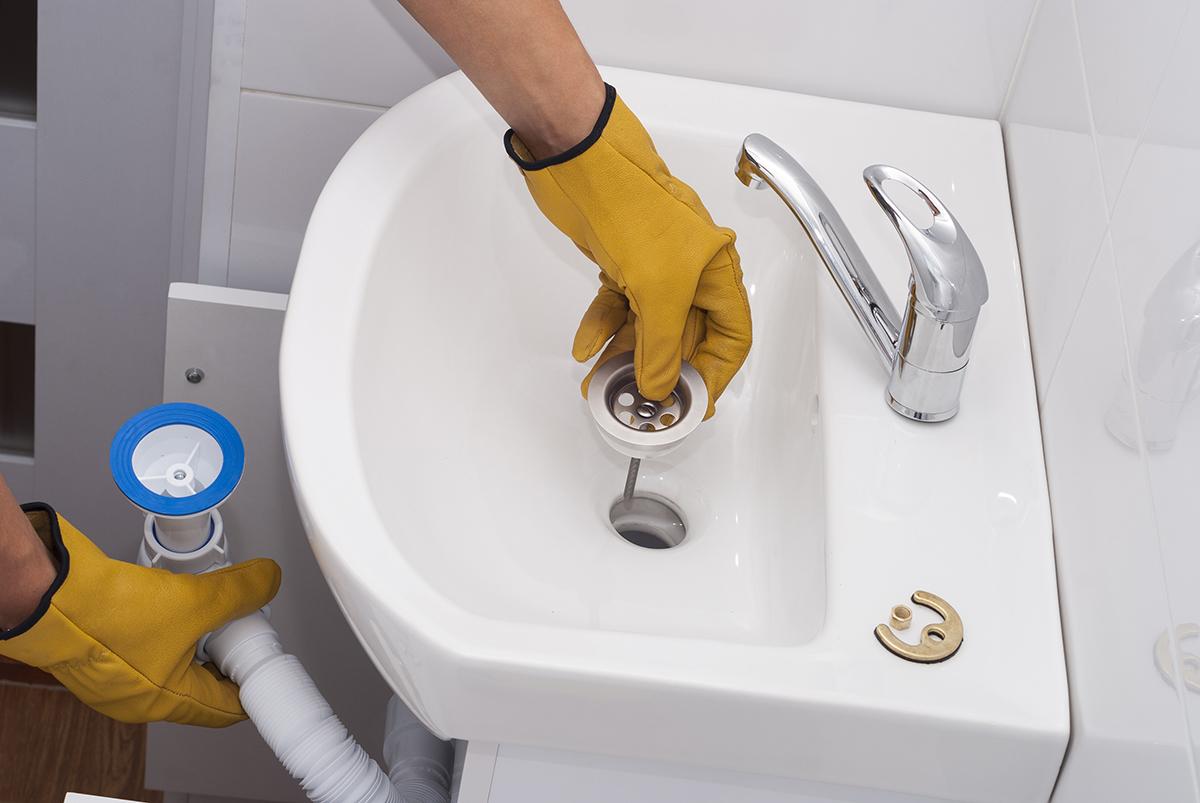
Maintaining strong airflow in your HVAC system means more comfort and less energy waste. One of the most effective ways to achieve this is through AC duct cleaning. Over time, dust, mold, pollen, and debris accumulate in the ductwork. These contaminants block airflow, strain the system, and reduce indoor air quality. In this article, I will explain how duct cleaning improves performance, when to schedule it, how it is done, and how it pairs with broader AC maintenance.
Why Airflow Efficiency Matters
Airflow efficiency refers to how freely cooled or heated air moves through ductwork to your living spaces. Poor airflow causes multiple problems:
- Uneven temperatures in rooms
- Longer run times to reach set points
- Increased energy consumption
- Possible damage or wear in components (fan motor, coil, etc.)
- Poor indoor air quality
If the system struggles to push air, it works harder. That stresses parts, leads to early failure, and raises your electric bills. Improving airflow gives your system breathing room. That keeps your home comfortable with less cost.
How Duct Contaminants Build Up
Understanding what clogs your ducts helps you see why cleaning is needed:
- Dust and lint from carpets, furnishings, clothing
- Hair, pet dander, fibers
- Mold and microbial growth in humid regions
- Rodent droppings or insect residue
- Construction debris, paint, plaster, insulation fragments
These do not stay static. The moving air picks them up, deposits them in narrower passages, and over years constricts airflow. Also, they may feed mold or bacteria that pose health risks. Cleaning removes these blockages and clears the path.
Signs You Need Duct Cleaning
You may not notice the clog until it degrades performance. Watch for these indicators:
- Weak airflow from vents
- Dust blowing from vents when system starts
- Higher power bills without a change in usage
- Musty or stale air odors
- Allergy symptoms, respiratory irritation
- Visible dust or debris near vent grille
If you see several signs, duct cleaning is likely due.
What Happens During AC Duct Cleaning
A proper duct cleaning process includes:
- Inspection
Technicians use cameras or inspection tools to assess duct condition. - Sealing supply and return grilles
To control dust spread during cleaning. - Negative pressure vacuuming
A powerful vacuum draws dust out of the duct system as cleaning tools dislodge residue. - Agitation tools
Brushes, air whips, compressed air lance tools dislodge buildup from duct walls, elbows, plenums. - Cleaning coils, blower, and drip pans
To remove sources of contaminants upstream or downstream. - Sanitizing (if needed)
Use of EPA-registered biocides or antimicrobial sprays if mold risk exists. - Reinspection
Confirm that ducts are cleaned and airflow is restored.
A thorough job addresses every accessible path—not just main trunks but branch ducts too.
When to Schedule Duct Cleaning
Duct cleaning is not a one-time fix. Here is a rough guideline:
- Every 3–5 years under normal conditions
- More often in dusty environments or with pets
- After home renovation or mold remediation
- If occupants have allergies, asthma, or respiratory sensitivity
You should coordinate duct cleaning with seasonal HVAC maintenance (before summer or winter peaks). That ensures the system is primed when it’s needed most.
The Energy and Performance Gains
Cleaning that restores airflow yields real benefits:
- Lower energy bills (system works less to move air)
- Shorter cooling or heating cycles
- More stable temperatures across rooms
- Less strain on blower motor and components
- Extended equipment lifespan
In many cases, expect a 5–15% reduction in energy consumption, though actual numbers depend on system size, condition, and local climate.
How Duct Cleaning Fits into Overall AC Service
Duct cleaning alone won’t fix all performance issues. It works best as part of a maintenance routine that includes:
- Checking refrigerant charge
- Cleaning or replacing air filters
- Inspecting and cleaning evaporator and condenser coils
- Testing thermostat calibration
- Lubricating moving parts
- Checking drainage lines
Also, if your system is malfunctioning, you may need comprehensive service. For example, for any breakdowns or efficiency issues, you would seek AC repair Dubai. Pairing duct cleaning with repairs gives holistic restoration.
Choosing a Reputable Duct Cleaning Service
Pick a service provider who:
- Uses high-efficiency vacuum equipment
- Covers entire duct network (not only main trunks)
- Provides before-and-after documentation
- Has trained, insured technicians
- Offers satisfaction guarantees
Don’t go for the cheapest or “quick clean” options. Shortcuts leave residue behind and may damage your system. Quality matters more than cost.
Risks and Limitations
Cleaning has benefits, but be clear about limits:
- Some ducts may be inaccessible or sealed too tightly
- If the ductwork is damaged or improperly installed, cleaning won’t fix that
- Overuse of harsh chemicals can damage materials or cause odor
- Dirty filters or poor maintenance after cleaning reduce gains
Ask the provider for disclaimers, photos, and clear scope before work begins.
Before-and-After Verification
After cleaning, verify results:
- Check airflow velocity or volume at vents
- Measure static pressure drop across system
- Visual inspection of ducts with camera
- Monitor your thermostat and energy bills
If improvements are negligible, pressure test the duct network. Leaks outside conditioned space can eat gains.
DIY Tips (With Caution)
You can take small actions between professional cleanings:
- Change filters monthly
- Use vent grilles with removable covers for cleaning
- Vacuum around return vents periodically
- Maintain humidity control
- Keep duct access points sealed and clean
But DIY cannot replace professional deep cleaning.
Case Example (Hypothetical)
A 4-ton split AC system in a Dubai villa had weak airflow in bedrooms. After 5 years without duct cleaning, buildup choked half the branch lines. A cleaning restored airflow, reduced run time by 20%, and cut energy bills by 12%. The occupants also experienced fewer dust complaints.
Summary: Why You Should Care
Good airflow is essential for comfort, cost, and system health. AC duct cleaning clears hidden blockages, enabling air to move freely. If you pair cleaning with proper repair and maintenance — like AC repair Dubai when issues arise — you preserve performance over time. Choose a skilled, reputable service. Validate results. Then let your system breathe again.

 English
 Arabic
 French
 Spanish
 Portuguese
 Turkish
 Dutch
Dutch
 Italiano
 Russian
 Romaian
 Portuguese (Brazil)
 Greek
Greek
Warning: Undefined array key "_is_photo" in /home/senmarri/public_html/friend24.in/content/themes/default/templates_compiled/9ea4999d05077b6b690d81624544cd64a51b1299_0.file.__feeds_post.comments.tpl.php on line 27
Warning: Attempt to read property "value" on null in /home/senmarri/public_html/friend24.in/content/themes/default/templates_compiled/9ea4999d05077b6b690d81624544cd64a51b1299_0.file.__feeds_post.comments.tpl.php on line 27
" style="background-image:url(
Warning: Undefined array key "user_picture" in /home/senmarri/public_html/friend24.in/content/themes/default/templates_compiled/19bd7b5d2fc32801d9316dbc2d8c5b25c99e72c3_0.file.__feeds_comment.form.tpl.php on line 31
);">
/home/senmarri/public_html/friend24.in/content/themes/default/templates_compiled/9ea4999d05077b6b690d81624544cd64a51b1299_0.file.__feeds_post.comments.tpl.php on line 128
Warning: Attempt to read property "value" on null in /home/senmarri/public_html/friend24.in/content/themes/default/templates_compiled/9ea4999d05077b6b690d81624544cd64a51b1299_0.file.__feeds_post.comments.tpl.php on line 128
">