
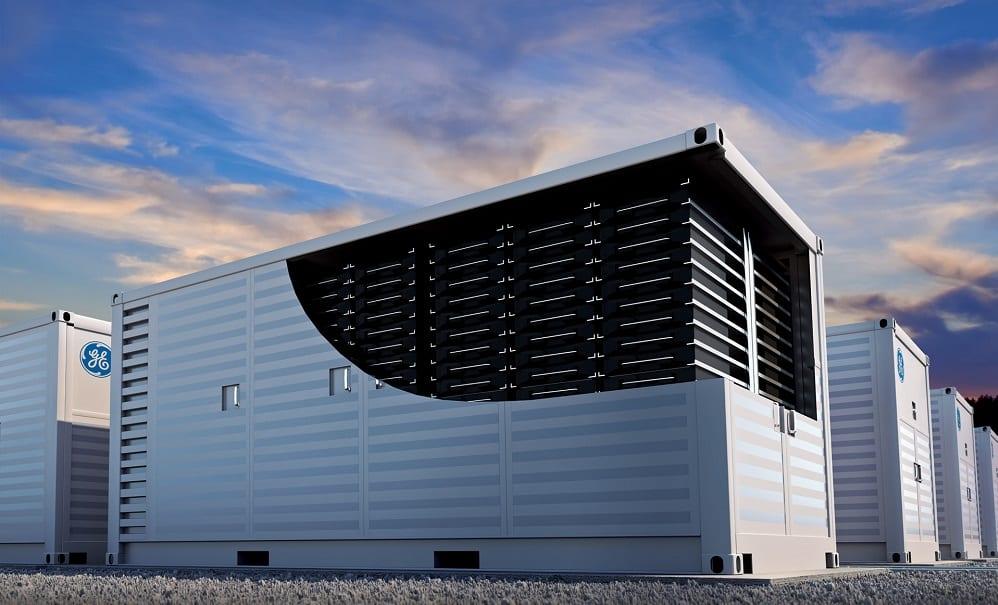
In today’s rapidly evolving energy landscape, more companies are exploring commercial battery storage to achieve reliable, cost-effective, and sustainable power solutions. As energy prices fluctuate and grid instability becomes a real concern in many regions, battery storage systems present a practical way for businesses to maintain operations without interruption while reducing long-term electricity expenses. This article explores why commercial battery storage has become an essential investment for modern businesses and how it can drive efficiency, savings, and energy independence.
- The Growing Demand for Energy Reliability
Power reliability has become a top priority for businesses, especially those operating in industries where even brief downtime can lead to significant revenue loss. Manufacturing plants, data centers, retail chains, healthcare facilities, and logistics operations all require consistent, stable power.
Traditional power backup options such as diesel generators are still used, but they often come with drawbacks — including high fuel costs, noise pollution, maintenance requirements, and emissions. Battery storage, by contrast, offers a cleaner, quieter, and more efficient solution. As the global grid faces increasing strain due to extreme weather conditions and rising consumption, businesses need a reliable alternative that guarantees uninterrupted power.
- What Is Commercial Battery Storage?
Commercial battery storage systems are large-scale energy storage units designed to store electricity for later use. These systems typically rely on advanced lithium-ion technology, which offers high efficiency, fast charging, and long operational life.
The system works by:
- Storing energy from the grid or renewable sources like solar panels
- Releasing energy during power outages or peak demand periods
- Reducing electricity costs by optimizing the timing of power usage
With proper installation and management, a commercial battery storage system can act as both a backup power source and a tool for strategic energy management.
- How Battery Storage Reduces Energy Costs for Businesses
Energy expenses represent a major portion of operational costs for many organizations. Battery storage offers several ways to cut these costs effectively.
a. Peak Shaving
Many utility companies charge higher rates during peak hours. With battery storage, businesses can draw stored energy during these periods rather than relying on expensive grid power. This technique, known as peak shaving, significantly reduces electricity bills over time.
b. Demand Charge Reduction
For commercial users, demand charges can account for up to 50% of the monthly electricity bill. By limiting the maximum amount of power drawn from the grid at one time, battery storage systems help reduce these charges.
c. Time-of-Use Optimization
In regions with time-of-use (TOU) pricing, electricity is cheaper during off-peak hours. Battery storage lets businesses store low-cost energy and use it when prices rise — maximizing savings without changing operational processes.
d. Integration with Renewable Energy
Businesses adopting solar energy can store excess daytime production and use it at night or during cloudy periods. This reduces reliance on the grid and improves ROI on solar investments.
- Enhancing Energy Security and Resilience
In an era when power outages caused by extreme weather events, equipment failures, or grid overloads are becoming more common, energy resilience is critical. Commercial battery storage ensures operations continue smoothly even when the grid fails.
Key security benefits include:
- Instantaneous response — Batteries switch on within milliseconds of an outage
- Protection of sensitive equipment — Avoids sudden power fluctuations
- Operational continuity — Reduces downtime and associated costs
- Support for critical systems — Ensures essential equipment stays powered
Unlike generators, battery storage systems do not require warm-up time, fuel delivery, or regular test runs, making them more dependable in emergencies.
- Environmental and Sustainability Advantages
Sustainability is no longer just a trend — it has become a necessity for companies committed to reducing carbon emissions and meeting environmental regulations.
Commercial battery storage provides several sustainability benefits:
a. Reduced Carbon Footprint
By lowering reliance on fossil fuel-based energy, businesses can significantly reduce their carbon emissions. When paired with renewable sources, battery storage systems create a fully clean energy cycle.
b. Noise and Pollution-Free Operation
Battery systems run silently and produce zero emissions, unlike diesel generators. This is especially beneficial in urban areas, hospitals, schools, and indoor facilities where environmental impact matters.
c. Support for Corporate Sustainability Goals
Businesses seeking green certifications or compliance with international sustainability standards can use battery storage to demonstrate their commitment to eco-friendly practices.
- Long-Term Financial Benefits and ROI
Although the initial investment in commercial battery storage may appear significant, the long-term financial returns make it worthwhile.
Cost benefits include:
- Lower monthly electricity bills
- Reduced reliance on expensive peak-hour power
- Avoided downtime-related losses
- Minimized generator maintenance and fuel expenses
- Government incentives and tax benefits in many regions
Battery technology continues to improve, leading to longer lifespans and higher efficiency. This makes modern systems more affordable and easier to justify financially.
- Key Applications Across Industries
Commercial battery storage systems are versatile and suitable for a wide range of industries.
a. Manufacturing
Consistent power is essential for factories with heavy machinery and automated systems. Battery storage mitigates production interruptions and equipment damage.
b. Healthcare
Hospitals and clinics depend on continuous power to run medical equipment, life-support systems, and security infrastructure.
c. Data Centers
Even a second of downtime can disrupt operations and cause data loss. Battery storage ensures uninterrupted uptime and power quality.
d. Retail and Hospitality
From POS systems to refrigeration and lighting, stores and hotels rely on stable energy to serve customers efficiently.
e. Warehousing and Logistics
Distribution centers use energy-intensive equipment like conveyor belts, robotics, and HVAC systems, all of which benefit from reliable power.
f. Agricultural Operations
Farms using irrigation systems, refrigeration, and automated equipment can store solar energy to reduce costs and stay operational during outages.
- Integration with Smart Energy Management
Modern battery storage systems often come with intelligent software platforms that monitor energy usage, predict demand, and optimize charging cycles.
Advantages of smart integration:
- Automatic charging during low-cost periods
- Real-time monitoring and reporting
- Predictive maintenance alerts
- Seamless integration with renewable energy systems
- Improved energy planning and forecasting
This digital infrastructure allows businesses to take control of their power systems and make informed decisions based on accurate data.
- Future Trends in Commercial Battery Storage
Battery technology continues to advance at a rapid pace. Several emerging trends will further enhance the value of commercial battery storage systems.
a. Enhanced Battery Lifespan
New chemistries and improved control systems are increasing battery life while reducing degradation from repeated charging cycles.
b. Greater Storage Capacity
Larger-capacity systems allow businesses to store more energy and rely less on the grid.
c. Declining Costs
As production scales up globally, the cost of lithium-ion batteries continues to decrease, making commercial adoption even more attractive.
d. Grid Interaction and Virtual Power Plants
Businesses will soon be able to sell excess stored energy back to the grid, creating new revenue streams and supporting grid stability.
e. Microgrid Development
Battery storage is a key component of microgrids — localized energy systems that can operate independently from the main grid.
- Why Businesses Should Invest Now
With rising electricity prices, increasing grid instability, and growing pressure for sustainability, there has never been a better time for businesses to adopt commercial battery storage. Early adoption can:
- Lower operational expenses
- Improve competitiveness
- Enhance energy reliability
- Support future expansion
- Strengthen sustainability commitments
Companies that invest today will enjoy long-term benefits and stay ahead of regulatory, environmental, and market changes.
Conclusion
Commercial battery storage has evolved from a niche technology into a mainstream energy solution that delivers substantial financial, environmental, and operational advantages. From cost savings and energy resilience to sustainability and future-ready infrastructure, the benefits are too significant to overlook. As the global energy landscape continues to transform, businesses that adopt battery storage solutions will secure a stronger, more efficient, and more sustainable future.

 English
 Arabic
 French
 Spanish
 Portuguese
 Deutsch
 Turkish
 Italiano
 Russian
 Romaian
 Portuguese (Brazil)
 Greek
Greek
Warning: Undefined array key "_is_photo" in /home/senmarri/public_html/friend24.in/content/themes/default/templates_compiled/9ea4999d05077b6b690d81624544cd64a51b1299_0.file.__feeds_post.comments.tpl.php on line 27
Warning: Attempt to read property "value" on null in /home/senmarri/public_html/friend24.in/content/themes/default/templates_compiled/9ea4999d05077b6b690d81624544cd64a51b1299_0.file.__feeds_post.comments.tpl.php on line 27
" style="background-image:url(
Warning: Undefined array key "user_picture" in /home/senmarri/public_html/friend24.in/content/themes/default/templates_compiled/19bd7b5d2fc32801d9316dbc2d8c5b25c99e72c3_0.file.__feeds_comment.form.tpl.php on line 31
);">
/home/senmarri/public_html/friend24.in/content/themes/default/templates_compiled/9ea4999d05077b6b690d81624544cd64a51b1299_0.file.__feeds_post.comments.tpl.php on line 128
Warning: Attempt to read property "value" on null in /home/senmarri/public_html/friend24.in/content/themes/default/templates_compiled/9ea4999d05077b6b690d81624544cd64a51b1299_0.file.__feeds_post.comments.tpl.php on line 128
">