
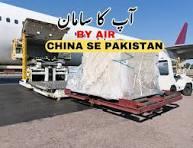
Importing goods from China to Pakistan has become a common practice for businesses, e-commerce sellers, and individual buyers. However, one of the most crucial steps in the import process is customs clearance. Without proper adherence to customs requirements, shipments may face delays, penalties, or even confiscation. Understanding the rules and documentation needed for China-Pakistan cargo is essential to ensure smooth, timely delivery of goods.
This article provides a detailed overview of customs requirements, including necessary documents, duties, restricted items, and tips for hassle-free clearance.
Understanding Customs in Pakistan
Pakistan Customs is responsible for regulating the import and export of goods. Their main objectives include:
- Collecting customs duties and taxes
- Ensuring imported goods comply with Pakistani laws and regulations
- Preventing illegal items or prohibited goods from entering the country
- Maintaining trade records and statistics
For businesses and individuals importing from China, understanding customs procedures is essential to avoid unexpected delays or costs.
Key Documents Required for Customs Clearance
To clear your China-Pakistan cargo shipment, several documents are mandatory. These include:
A) Commercial Invoice
A commercial invoice is issued by the supplier and contains:
- Description of goods
- Quantity
- Unit price and total value
- Supplier and buyer details
- Currency of payment
This document is used to calculate customs duties and verify the shipment’s contents.
B) Packing List
A packing list provides detailed information about how goods are packed:
- Number of cartons or packages
- Weight and dimensions of each package
- Contents of each carton
Customs officials use this to cross-check goods during inspection.
C) Bill of Lading (B/L) or Airway Bill (AWB)
Depending on the shipping method:
- Sea Cargo: Bill of Lading
- Air Cargo: Airway Bill
This document serves as proof of shipment and includes carrier details, origin, destination, and the consignee.
D) Import Declaration Form
The Pakistan Customs Authority requires importers to submit a customs declaration specifying:
- HS code (Harmonized System code) of each item
- Quantity and value
- Intended use (commercial or personal)
- Country of origin
This is usually submitted electronically via Pakistan Customs’ online system.
E) CNIC or NTN
- Individuals: Valid CNIC (Computerized National Identity Card)
- Businesses: Valid NTN (National Tax Number)
This ensures the shipment is linked to a legitimate importer.
F) Any Additional Certificates
Certain goods may require:
- Phytosanitary certificate for plants or agricultural products
- Certificate of conformity for electronics or machinery
- Health or safety certificates for cosmetics, food, or medical supplies
These certificates ensure that imported goods meet Pakistan’s safety and regulatory standards.
Customs Duties and Taxes
Pakistan Customs imposes duties based on the type, value, and weight of the goods. Key components include:
- Customs Duty: Percentage of the CIF (Cost + Insurance + Freight) value
- Sales Tax: Charged on the value of goods including duty
- Additional Taxes: Regulatory duty, income tax, or federal excise duty depending on the product
Note: Duty rates vary depending on product type. Electronics, clothing, machinery, and mobile accessories have different rates, so check Pakistan Customs’ tariff schedule for precise percentages.
Restricted and Prohibited Items
Not all items can be imported from China to Pakistan. Some restricted or prohibited goods include:
- Weapons, firearms, and explosives
- Narcotics and illegal drugs
- Counterfeit or pirated goods
- Certain chemicals and hazardous materials
- Items violating Pakistani law or ethical standards
Restricted goods may require special permits from relevant authorities, while prohibited items cannot be imported legally.
Customs Clearance Process
The general customs clearance process involves:
- Submission of Documents: Submit commercial invoice, packing list, B/L or AWB, and import declaration form.
- Assessment: Customs calculates duties and taxes based on the declared value and type of goods.
- Payment of Duties: Importer pays the calculated charges.
- Inspection: Customs may inspect the shipment physically or verify documents.
- Release: Once duties are paid and the shipment passes inspection, it is released for delivery.
Professional cargo companies often assist with this process, ensuring documents are correctly submitted and duties are paid promptly to avoid delays.
Tips for Smooth Customs Clearance
- Provide accurate documentation: Avoid discrepancies in invoices or packing lists.
- Classify goods correctly: Use the correct HS codes to prevent fines or re-assessment.
- Hire a professional cargo agent: Experienced agents handle paperwork, duty payments, and customs procedures efficiently.
- Check prohibited items: Ensure your shipment does not include banned goods.
- Keep track of shipment: Regular tracking helps identify potential issues before they escalate.
Following these tips reduces the risk of delays, extra charges, or cargo rejection.
Role of Cargo Companies in Customs Clearance
Reliable China-Pakistan cargo companies play a crucial role in handling customs:
- Submit all necessary documentation
- Calculate and pay duties on behalf of the importer
- Communicate with customs officials to resolve issues
- Arrange delivery after clearance
Using a professional agent ensures your shipment passes customs smoothly, saving both time and money.
Conclusion
Customs requirements are a critical part of importing goods from China to Pakistan. Compliance with regulations, accurate documentation, proper classification, and payment of duties are essential to ensure timely delivery. By understanding the customs process and working with professional cargo agents, importers can avoid delays, penalties, and other hassles.
Whether you are importing electronics, clothing, or machinery, adhering to Pakistan Customs’ rules ensures your shipment arrives safely, efficiently, and legally. Proper preparation, documentation, and professional assistance make the China-Pakistan cargo process smooth and reliable.

 English
 Arabic
 French
 Spanish
 Portuguese
 Deutsch
 Turkish
 Dutch
Dutch
 Italiano
 Romaian
 Portuguese (Brazil)
 Greek
Greek
Warning: Undefined array key "_is_photo" in /home/senmarri/public_html/friend24.in/content/themes/default/templates_compiled/9ea4999d05077b6b690d81624544cd64a51b1299_0.file.__feeds_post.comments.tpl.php on line 27
Warning: Attempt to read property "value" on null in /home/senmarri/public_html/friend24.in/content/themes/default/templates_compiled/9ea4999d05077b6b690d81624544cd64a51b1299_0.file.__feeds_post.comments.tpl.php on line 27
" style="background-image:url(
Warning: Undefined array key "user_picture" in /home/senmarri/public_html/friend24.in/content/themes/default/templates_compiled/19bd7b5d2fc32801d9316dbc2d8c5b25c99e72c3_0.file.__feeds_comment.form.tpl.php on line 31
);">
/home/senmarri/public_html/friend24.in/content/themes/default/templates_compiled/9ea4999d05077b6b690d81624544cd64a51b1299_0.file.__feeds_post.comments.tpl.php on line 128
Warning: Attempt to read property "value" on null in /home/senmarri/public_html/friend24.in/content/themes/default/templates_compiled/9ea4999d05077b6b690d81624544cd64a51b1299_0.file.__feeds_post.comments.tpl.php on line 128
">