
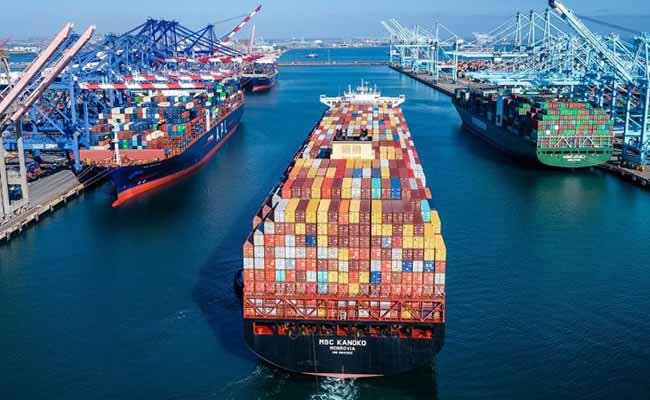
The China-Pakistan Economic Corridor (CPEC) is one of the most ambitious development projects in Asia, reshaping the future of trade, transportation, and logistics between China and Pakistan. Stretching over 3,000 kilometers from China’s western Xinjiang region to Pakistan’s Gwadar Port on the Arabian Sea, CPEC is a vital part of China’s Belt and Road Initiative (BRI). Its aim is to improve connectivity, strengthen economic ties, and create new trade opportunities across the region. For the China Pakistan Cargo Services, CPEC represents a turning point — transforming traditional routes, reducing costs, and paving the way for faster, safer, and more efficient freight movement.
Revolutionizing Trade Routes and Connectivity
Before the implementation of CPEC, most trade between China and Pakistan relied heavily on long-distance sea routes that passed through the South China Sea, the Strait of Malacca, and the Indian Ocean. This journey could take weeks and incurred high shipping costs. With the development of the CPEC corridor, goods can now be transported directly via road and rail through the Karakoram Highway, connecting Kashgar in China to Gwadar in Pakistan.
This new overland route drastically reduces travel time and shipping expenses. For example, transporting goods from western China to the Middle East or Africa through Gwadar Port is much quicker than using eastern Chinese ports like Shanghai. The corridor not only boosts trade between the two countries but also provides China with a shorter and safer access route to global markets. This strategic advantage will continue to shape the future of regional and international logistics.
Gwadar Port – The Heart of CPEC Cargo Movement
At the center of CPEC’s logistics network lies Gwadar Port, Pakistan’s deep-sea port developed with Chinese cooperation. Gwadar has become the backbone of modern cargo shipping under CPEC. It serves as a key hub for importing and exporting goods, especially for Chinese industries seeking access to markets in the Middle East, Africa, and beyond.
The port’s advanced infrastructure, including container terminals, warehousing facilities, and road connections, makes it a crucial link for trade and cargo movement. With further expansion projects underway, Gwadar is set to handle millions of tons of cargo annually in the coming years. This will ease the burden on Pakistan’s other ports like Karachi and Port Qasim while enhancing the country’s capacity to manage international freight efficiently.
Boosting Efficiency and Reducing Shipping Costs
CPEC is fundamentally changing the economics of shipping between China and Pakistan. Shorter routes mean lower fuel consumption and reduced transportation time, both of which significantly cut down overall shipping costs. For businesses, this efficiency translates into better profit margins, improved supply chain reliability, and faster delivery to markets.
Furthermore, new road and rail links allow for smoother coordination of multimodal transport — where goods can be easily transferred between trucks, trains, and ships. This integrated logistics system reduces the need for manual handling and minimizes the risk of cargo damage or loss. The result is a more streamlined trade process that benefits manufacturers, exporters, and importers alike.
The Growth of Pakistan’s Logistics Industry
The rise of CPEC has brought new life to Pakistan’s logistics and freight forwarding sector. As trade volume between China and Pakistan increases, demand for professional cargo services has also surged. Local and international freight forwarders are investing in modern fleets, warehousing facilities, and digital tracking systems to keep up with growing trade activity.
Cargo companies now offer door-to-door shipping, customs clearance, and cargo consolidation services, ensuring that goods move smoothly from factories in China to businesses in Pakistan. This professionalization of the logistics sector is also creating jobs, improving trade infrastructure, and supporting the growth of small and medium-sized enterprises (SMEs).
The Rise of Rail Freight and Smart Logistics
While road freight has been the backbone of CPEC trade, the next phase of development focuses on rail connectivity. Rail transport offers a cost-effective and eco-friendly option for moving bulk cargo over long distances. The planned railway line between Kashgar and Gwadar will revolutionize freight movement by reducing travel time even further and increasing cargo capacity.
In addition to physical infrastructure, digital transformation is playing an important role. Technologies such as GPS tracking, digital documentation, and automated customs clearance are making shipping faster and more transparent. These innovations help businesses monitor their goods in real time and simplify cross-border trade procedures. As technology continues to advance, Pakistan’s logistics sector is expected to become more efficient and globally competitive.
CPEC’s Role in Regional Trade Integration
CPEC’s benefits go far beyond China and Pakistan. The corridor is designed to serve as a bridge connecting Central Asia, South Asia, and the Middle East. Countries such as Afghanistan, Iran, and the Central Asian republics can also use the CPEC network to access global markets via Gwadar Port. This regional integration will not only boost Pakistan’s trade volume but also position it as a major transit hub for international cargo.
The potential for multinational logistics partnerships is enormous. As more trade routes open under the Belt and Road Initiative, Pakistan can attract global shipping lines, investors, and industries looking for efficient trade pathways. This development could lead to long-term economic stability and regional cooperation in trade and infrastructure.
Challenges and Future Outlook
While the future of cargo shipping under CPEC is promising, several challenges remain. Security concerns along trade routes, bureaucratic delays, and logistical bottlenecks can still affect the speed and safety of transportation. Both governments are working to overcome these issues through better coordination, improved governance, and policy reforms.
Environmental sustainability is another key consideration. As cargo traffic grows, it is important to adopt eco-friendly logistics practices, such as using cleaner fuels, improving energy efficiency, and promoting green shipping standards.
Despite these challenges, the long-term outlook for CPEC-driven cargo shipping remains highly positive. Continued investments, infrastructure expansion, and regional collaboration are expected to make Pakistan one of Asia’s most important trade gateways.
Conclusion
As the corridor continues to expand, CPEC will strengthen Pakistan’s position as a regional trade hub, foster industrial growth, and bring lasting economic benefits to both nations. The journey that began as a vision of cooperation is now shaping the future of global trade — one shipment at a time

 English
 Arabic
 French
 Portuguese
 Deutsch
 Turkish
 Dutch
Dutch
 Italiano
 Russian
 Romaian
 Portuguese (Brazil)
 Greek
Greek
Warning: Undefined array key "_is_photo" in /home/senmarri/public_html/friend24.in/content/themes/default/templates_compiled/9ea4999d05077b6b690d81624544cd64a51b1299_0.file.__feeds_post.comments.tpl.php on line 27
Warning: Attempt to read property "value" on null in /home/senmarri/public_html/friend24.in/content/themes/default/templates_compiled/9ea4999d05077b6b690d81624544cd64a51b1299_0.file.__feeds_post.comments.tpl.php on line 27
" style="background-image:url(
Warning: Undefined array key "user_picture" in /home/senmarri/public_html/friend24.in/content/themes/default/templates_compiled/19bd7b5d2fc32801d9316dbc2d8c5b25c99e72c3_0.file.__feeds_comment.form.tpl.php on line 31
);">
/home/senmarri/public_html/friend24.in/content/themes/default/templates_compiled/9ea4999d05077b6b690d81624544cd64a51b1299_0.file.__feeds_post.comments.tpl.php on line 128
Warning: Attempt to read property "value" on null in /home/senmarri/public_html/friend24.in/content/themes/default/templates_compiled/9ea4999d05077b6b690d81624544cd64a51b1299_0.file.__feeds_post.comments.tpl.php on line 128
">