
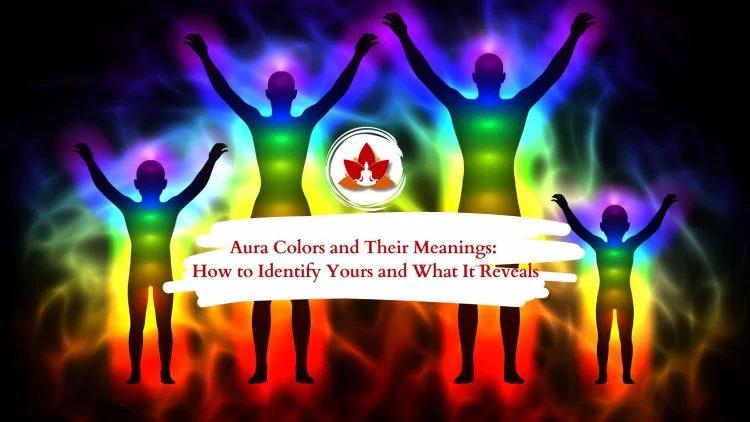
Every living being radiates an invisible energy field known as an aura. This subtle field surrounds the body like a soft glow and is said to vibrate with different frequencies that correspond to emotions, thoughts, and spiritual states. These vibrations manifest as colors, known as aura colors, which can reveal profound insights into a person’s mental, emotional, and physical well-being. Throughout history, many cultures—from ancient India to Egypt and Greece—have recognized the existence of this energetic field, associating it with spiritual power, life force, or prana.
Understanding aura colors helps us connect more deeply with ourselves and others. Each hue in the aura carries its own symbolic meaning and frequency. Bright, clear colors often represent balance and vitality, while darker or clouded shades may reflect emotional distress or energy blockages. In this detailed exploration, we will dive into the meanings of different aura colors, how they relate to the chakras, and how one can read, cleanse, and balance their aura for a healthier, more vibrant life.
What Are Aura Colors?
Aura colors are the visible (to some) or perceived energetic manifestations of a person’s state of being. Each color in the aura vibrates at a different frequency, just as musical notes produce different sounds. These vibrations reflect our emotions, level of consciousness, and spiritual evolution.
Scientists may describe the aura in terms of electromagnetic energy, while spiritual traditions see it as a reflection of the soul. Regardless of perspective, the aura represents a bridge between the physical and non-physical aspects of life. The study of aura colors helps decode the hidden patterns that influence our health, relationships, and destiny.
Layers of the Aura
The aura is not just one layer of energy—it consists of multiple layers, each corresponding to different aspects of our being:
- Physical Layer: Closest to the body, reflecting physical health and vitality.
- Emotional Layer: Holds emotions and feelings that shift with mood changes.
- Mental Layer: Related to thoughts, beliefs, and mental patterns.
- Astral Layer: Connects to the heart, love, and relationships.
- Etheric Layer: Linked with spiritual awareness and intuition.
- Celestial Layer: Reflects divine love and higher consciousness.
- Causal Layer: Represents the soul’s purpose and spiritual wisdom.
Each of these layers emits aura colors that can blend, overlap, and change as your energy shifts.
The Meaning of Aura Colors
Each aura color corresponds to a specific emotional or spiritual quality. While individual interpretations may vary, certain universal meanings are widely accepted in energy healing and metaphysical studies.
1. Red Aura – Strength and Vitality
A red aura is full of life force and passion. It reflects energy, courage, and a strong will to succeed. People with red in their aura are often ambitious, grounded, and action-driven.
- Bright Red: Passion, determination, love of life.
- Dark or Cloudy Red: Anger, stress, or fatigue.
Red is linked to the root chakra, which governs physical health, stability, and survival instincts.
2. Orange Aura – Creativity and Joy
An orange aura is vibrant, playful, and social. It reflects enthusiasm, creative power, and emotional warmth. Those with orange in their aura tend to be adventurous and full of life.
- Bright Orange: Joy, self-expression, vitality.
- Dull Orange: Emotional exhaustion or blocked creativity.
It corresponds to the sacral chakra, representing creativity, sexuality, and pleasure.
3. Yellow Aura – Confidence and Optimism
People with a yellow aura radiate cheerfulness, mental clarity, and intelligence. Yellow is the color of sunlight and wisdom, symbolizing joy and self-esteem.
- Bright Yellow: Positivity, inspiration, curiosity.
- Pale Yellow: Anxiety, fear, or mental fatigue.
This color aligns with the solar plexus chakra, which governs confidence, power, and self-belief.
4. Green Aura – Healing and Harmony
A green aura represents love, compassion, and balance. It is associated with natural healers, empaths, and those who seek harmony in all aspects of life.
- Bright Green: Healing, growth, and compassion.
- Dark or Muddy Green: Jealousy, resentment, or insecurity.
Green corresponds to the heart chakra, the center of unconditional love and connection.
5. Blue Aura – Peace and Intuition
A blue aura reflects calmness, honesty, and strong intuition. People with blue in their aura are often truthful, peaceful, and spiritually aware.
- Light Blue: Serenity, clear communication, emotional openness.
- Deep Blue: Spiritual wisdom and inner peace.
- Muddy Blue: Fear of expressing one’s truth.
Blue connects with the throat chakra, symbolizing communication and self-expression.
6. Indigo Aura – Intuition and Spiritual Awareness
An indigo aura is deeply spiritual and intuitive. It reflects a person who sees beyond the physical world and trusts their inner wisdom.
- Bright Indigo: Strong intuition, insight, and imagination.
- Dull Indigo: Over-sensitivity or confusion.
Indigo resonates with the third eye chakra, the center of intuition and perception.
7. Violet or Purple Aura – Spiritual Enlightenment
A violet aura indicates a person in tune with higher consciousness. It reflects deep spirituality, creativity, and a strong sense of purpose.
- Bright Violet: Wisdom, transformation, spiritual awareness.
- Dark Violet: Misuse of power or detachment from reality.
This aura color aligns with the crown chakra, representing divine connection and enlightenment.
8. Pink Aura – Love and Compassion
A pink aura radiates unconditional love, kindness, and emotional healing. Those with pink in their aura often carry a gentle, nurturing energy.
- Soft Pink: Romantic, empathetic, and open-hearted.
- Dark Pink: Emotional dependency or insecurity.
Pink combines the loving energy of green with the spiritual depth of violet, making it a symbol of universal love.
9. White Aura – Purity and Divine Energy
A white aura is rare and reflects purity, truth, and spiritual mastery. It symbolizes balance and alignment with the divine source.
- Bright White: Enlightenment, healing, protection.
- Cloudy White: Confusion or spiritual overwhelm.
White light contains all other aura colors, symbolizing wholeness and unity.
10. Black or Gray Aura – Transformation and Protection
Although often misunderstood, black and gray in the aura can have both positive and negative meanings.
- Black: Protection, introspection, or deep transformation. However, too much black can suggest suppressed emotions or unresolved pain.
- Gray: Transition, neutrality, or emotional fatigue.
These aura colors indicate periods of change or cleansing. They remind us that even darkness can lead to renewal.
How Aura Colors Relate to the Chakras
Each aura color corresponds to a chakra—the body’s energy centers that govern specific physical and emotional aspects. When your chakras are open and balanced, your aura shines with vibrant colors. Blockages, however, can cause dull or uneven tones. For example, an imbalance in the throat chakra may dull blue shades, while a blocked heart chakra may darken green tones.
Regular meditation, yoga, and energy healing can help maintain the flow of energy through these centers, keeping your aura healthy and radiant.
How to See or Sense Aura Colors
Not everyone can see aura colors visually, but everyone can sense them intuitively. Here are a few methods:
- Aura Gazing: Focus on a person or yourself in front of a neutral background, soften your gaze, and observe any glowing hues.
- Meditation: Close your eyes, visualize light around you, and note what colors come to mind.
- Energy Scanning: Use your palms to sense warmth, tingling, or vibrations in another’s energy field.
- Aura Photography: Some technologies claim to capture aura colors through biofeedback sensors.
Over time, intuition becomes sharper, and you’ll begin to recognize the colors that reflect emotional and energetic states.
Cleansing and Balancing Your Aura
Your aura can absorb energy from people, environments, or stressful experiences. To keep it vibrant, regular cleansing is essential. Here are some effective ways to purify your aura:
- Meditation and Breathwork: Calm the mind and restore energetic harmony.
- Smudging with Sage or Palo Santo: Clears negative or stagnant energy.
- Crystals: Use stones like clear quartz, amethyst, or selenite for energy cleansing.
- Sound Healing: Use singing bowls, chimes, or chanting to realign your vibration.
- Nature Connection: Spending time in nature naturally refreshes your aura.
When your aura is clean and bright, you feel lighter, happier, and more connected to your true self.
The Ever-Changing Nature of Aura Colors
Your aura colors are not static—they shift continuously with your emotions, thoughts, and spiritual growth. When you experience love, joy, or peace, your aura expands and brightens. When you feel fear or sadness, it contracts and becomes dim.
Learning to interpret these changes allows you to use your aura as a guide to self-awareness. It helps you understand what your energy needs at any given moment—whether it’s rest, connection, or spiritual renewal.
Conclusion
Aura colors are more than just beautiful shades of light—they are the energetic fingerprints of our soul. Each color carries deep meaning, revealing our emotions, strengths, and areas of growth. By learning to understand and care for our aura, we nurture both our inner and outer worlds.
When your aura shines brightly with balanced colors, it reflects harmony, love, and spiritual alignment. Recognizing and embracing the language of aura colors empowers you to live more consciously, connect deeply with others, and walk your path with radiant energy and awareness.

 English
 Arabic
 French
 Portuguese
 Deutsch
 Turkish
 Dutch
Dutch
 Italiano
 Russian
 Romaian
 Portuguese (Brazil)
 Greek
Greek
Warning: Undefined array key "_is_photo" in /home/senmarri/public_html/friend24.in/content/themes/default/templates_compiled/9ea4999d05077b6b690d81624544cd64a51b1299_0.file.__feeds_post.comments.tpl.php on line 27
Warning: Attempt to read property "value" on null in /home/senmarri/public_html/friend24.in/content/themes/default/templates_compiled/9ea4999d05077b6b690d81624544cd64a51b1299_0.file.__feeds_post.comments.tpl.php on line 27
" style="background-image:url(
Warning: Undefined array key "user_picture" in /home/senmarri/public_html/friend24.in/content/themes/default/templates_compiled/19bd7b5d2fc32801d9316dbc2d8c5b25c99e72c3_0.file.__feeds_comment.form.tpl.php on line 31
);">
/home/senmarri/public_html/friend24.in/content/themes/default/templates_compiled/9ea4999d05077b6b690d81624544cd64a51b1299_0.file.__feeds_post.comments.tpl.php on line 128
Warning: Attempt to read property "value" on null in /home/senmarri/public_html/friend24.in/content/themes/default/templates_compiled/9ea4999d05077b6b690d81624544cd64a51b1299_0.file.__feeds_post.comments.tpl.php on line 128
">