
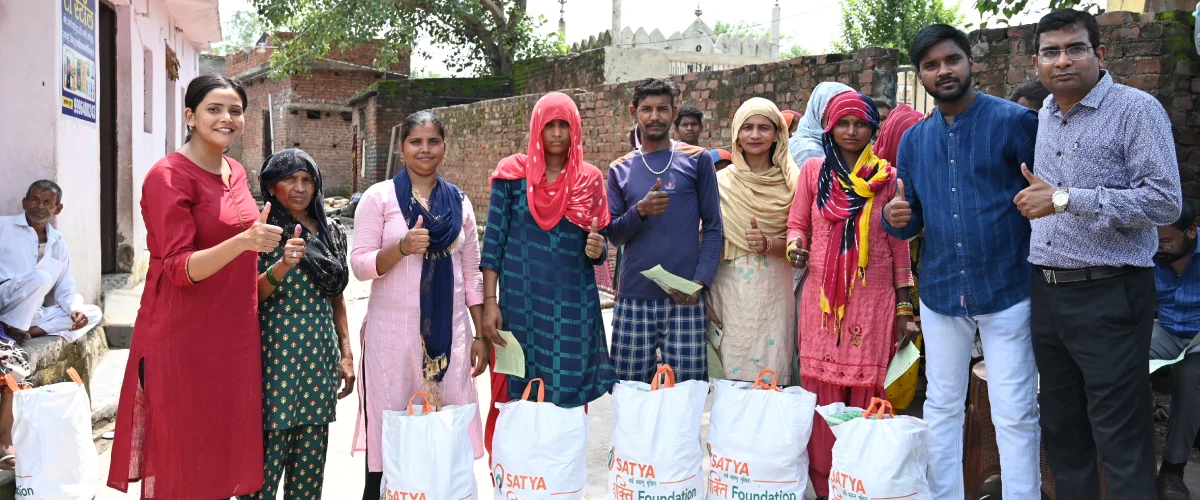
Nonprofit organizations (NPOs) in India are at the forefront of driving social change, supporting underprivileged communities, and addressing critical societal issues. From education and healthcare to environmental conservation and women’s empowerment, NPOs play a transformative role in shaping the nation’s social landscape. Their efforts are particularly vital in a country where disparities in income, education, and access to basic services remain significant.
This blog explores how NPO in India are making a meaningful difference in society and highlights the strategies that contribute to their impact.
Education and Skill Development
One of the most significant contributions of NPOs in India is improving access to education. Many nonprofits focus on providing quality education to children in rural and underprivileged areas. Initiatives include building schools, offering scholarships, and conducting skill development programs for youth.
Impact:
-
Increased literacy rates and better academic performance among marginalized communities.
-
Empowerment of youth through vocational training, enabling them to secure employment.
-
Bridging the educational gap between urban and rural populations.
Examples include NGOs like Pratham, which focuses on improving learning outcomes for children, and Don Bosco, which offers vocational training programs to empower youth.
Healthcare and Well-Being
Healthcare remains a critical area where NPOs have a tangible impact. Nonprofits work to improve access to medical services, raise awareness about health issues, and provide support for vulnerable populations.
Key Contributions:
-
Running health camps, mobile clinics, and vaccination drives in remote areas.
-
Addressing maternal and child health challenges through education and support programs.
-
Offering mental health counseling and rehabilitation services for marginalized groups.
Organizations like Smile Foundation and HelpAge India provide healthcare initiatives that reach thousands, improving overall community health and well-being.
Women Empowerment and Gender Equality
Many NPOs in India focus on empowering women by providing education, vocational training, and financial independence. Gender equality initiatives aim to reduce discrimination and create opportunities for women in various sectors.
Impact:
-
Increased participation of women in the workforce and entrepreneurship.
-
Reduction of gender-based discrimination and promotion of social justice.
-
Enhanced awareness of women’s rights and gender equality.
For example, Self Employed Women’s Association (SEWA) supports women in informal sectors, helping them gain financial stability and social recognition.
Environmental Conservation
Environmental issues such as pollution, deforestation, and climate change require urgent attention. NPOs play a critical role in raising awareness, promoting sustainability, and implementing conservation projects.
Key Initiatives:
-
Tree plantation drives, waste management programs, and water conservation projects.
-
Promoting renewable energy usage and environmental education in schools and communities.
-
Campaigning for sustainable urban planning and pollution control measures.
Organizations like Greenpeace India and The Energy and Resources Institute (TERI) are actively involved in creating eco-friendly practices and raising public awareness.
Social Inclusion and Community Development
NPOs also work to foster social inclusion by supporting marginalized groups, including differently-abled individuals, minority communities, and economically disadvantaged populations.
Impact:
-
Improved accessibility and opportunities for underrepresented groups.
-
Creation of community development programs that provide livelihood, education, and health support.
-
Advocacy for social justice and equal rights at local and national levels.
Nonprofits such as Make A Difference (MAD) focus on empowering children from underserved communities, while others like ActionAid support women and minorities in achieving self-reliance.
Disaster Relief and Humanitarian Assistance
India is prone to natural disasters such as floods, earthquakes, and cyclones. NPOs play a vital role in disaster relief and rehabilitation, providing immediate assistance and long-term support.
Key Contributions:
-
Organizing relief camps and providing food, water, and medical aid during emergencies.
-
Rebuilding homes, schools, and community centers after disasters.
-
Offering psychological support and counseling to affected communities.
Organizations like Goonj and the Indian Red Cross Society have been instrumental in delivering timely relief and rebuilding efforts across disaster-hit areas.
Creating Awareness and Advocacy
Beyond direct services, NPOs in India work to create awareness and advocate for systemic change. They educate communities about health, education, environmental issues, and social rights, influencing policy and societal attitudes.
Impact:
-
Promotes informed decision-making among citizens.
-
Encourages participation in social initiatives and civic responsibilities.
-
Influences government policies and promotes accountability.
For instance, the Centre for Science and Environment (CSE) actively campaigns for environmental awareness and sustainable development practices.
Conclusion
NPOs in India are driving significant social change by addressing education, healthcare, women empowerment, environmental conservation, social inclusion, disaster relief, and advocacy. Their contributions not only improve the quality of life for countless individuals but also foster a culture of empathy, responsibility, and civic engagement.
Through innovative programs, collaboration with stakeholders, and persistent dedication, NPOs continue to create lasting societal impact. They exemplify the power of collective action and social responsibility, demonstrating how focused efforts can transform communities and build a more equitable, sustainable, and inclusive India.

 English
 Arabic
 French
 Spanish
 Portuguese
 Deutsch
 Turkish
 Dutch
Dutch
 Russian
 Romaian
 Portuguese (Brazil)
 Greek
Greek
Warning: Undefined array key "_is_photo" in /home/senmarri/public_html/friend24.in/content/themes/default/templates_compiled/9ea4999d05077b6b690d81624544cd64a51b1299_0.file.__feeds_post.comments.tpl.php on line 27
Warning: Attempt to read property "value" on null in /home/senmarri/public_html/friend24.in/content/themes/default/templates_compiled/9ea4999d05077b6b690d81624544cd64a51b1299_0.file.__feeds_post.comments.tpl.php on line 27
" style="background-image:url(
Warning: Undefined array key "user_picture" in /home/senmarri/public_html/friend24.in/content/themes/default/templates_compiled/19bd7b5d2fc32801d9316dbc2d8c5b25c99e72c3_0.file.__feeds_comment.form.tpl.php on line 31
);">
/home/senmarri/public_html/friend24.in/content/themes/default/templates_compiled/9ea4999d05077b6b690d81624544cd64a51b1299_0.file.__feeds_post.comments.tpl.php on line 128
Warning: Attempt to read property "value" on null in /home/senmarri/public_html/friend24.in/content/themes/default/templates_compiled/9ea4999d05077b6b690d81624544cd64a51b1299_0.file.__feeds_post.comments.tpl.php on line 128
">