
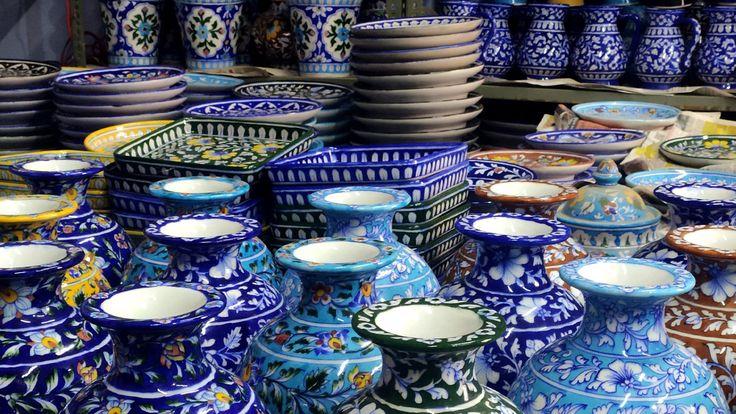
In the heart of the Thar Desert lies Barmer, a land where art is not just practiced but lived every single day. Known for its barren landscapes, golden dunes, and vibrant culture, Barmer is a treasure chest of timeless creativity. Among its many cultural gems, the handicrafts of Barmer stand out as one of the purest reflections of desert life, tradition, and resilience.
Handicrafts are more than decorative pieces; they are living traditions passed down through generations. Every stitch, carving, or weave represents not only the maker’s skill but also the stories of their ancestors. The vibrant colors of Barmer handicrafts symbolize hope in the desert, while the intricate designs reflect centuries of influence from Rajput, Mughal, and local desert cultures. Whether it is wooden carvings, embroidery, or pottery, the artisans of Barmer embody the spirit of survival and beauty in one of the harshest environments on earth.
The importance of these handicrafts goes far beyond their aesthetic value. They contribute to the local economy, empower rural communities, and attract travelers who seek to experience culture beyond monuments and palaces. In many ways, Barmer handicrafts represent “desert art beyond time”-a form of creativity that continues to evolve while staying deeply rooted in tradition.
The Legacy of Barmer Handicrafts
Barmer handicrafts date back centuries, with influences from nomadic tribes and desert dwellers who adapted their art to both utility and beauty. What makes Barmer unique is its combination of practicality and artistry. In regions where resources are limited, locals learned to make daily-use items-utensils, furniture, textiles-while infusing them with patterns inspired by nature, desert wildlife, and local folklore.
The cultural heritage of Barmer is preserved in embroidery styles like patchwork and appliqué, wooden furniture adorned with intricate carvings, and pottery decorated with simple yet expressive motifs. Each item tells a story of resilience, connecting modern buyers with the timeless traditions of desert communities.
Barmer Handicrafts and Tourism
For travelers exploring Rajasthan, handicrafts are not just souvenirs but a way to carry home a piece of desert culture. Many a Rajasthan tour operator includes visits to Barmer in their itineraries, showcasing workshops where tourists can interact with artisans directly. Watching a craftsman carve wood, or an elderly woman embroider bright geometric patterns, leaves visitors with a deeper appreciation for the human touch behind these creations.
The growth of cultural tourism has also created opportunities for artisans to showcase their work beyond local markets. Today, Barmer handicrafts are displayed at international fairs, exhibitions, and online platforms, bridging the gap between rural talent and global demand.
Popular Styles and Products of Barmer Handicrafts
Barmer’s craft forms are diverse, each carrying a distinct identity:
1. Embroidery and Appliqué Work
The women of Barmer are known for their needlework, where mirrors, beads, and colorful threads are combined to create vibrant textiles. These are often used in garments, cushion covers, wall hangings, and bags.
2. Wood Carving
Wooden furniture from Barmer is famous for its rustic yet detailed carvings. Tables, chairs, and doors often feature floral patterns or geometric motifs, making them sought-after in urban and international markets.
3. Pottery and Terracotta
Clay is molded into both utility items and decorative pieces. Pots, vases, and figurines often feature earthy designs, connecting the buyer to the desert’s natural palette.
4. Leather Work
Handmade leather goods, from footwear to bags, are popular for their durability and traditional designs.
5. Weaving
Wool and cotton weaving are essential crafts, often influenced by nomadic traditions. Rugs and blankets from Barmer are not only warm but also visually striking.
Role in Modern Economy
The handicraft industry is a backbone for many families in Barmer. With limited agricultural opportunities in desert regions, craftwork provides stable income and keeps traditions alive. Government initiatives and NGOs have also begun promoting Barmer handicrafts under sustainable livelihood programs, ensuring artisans get fair pay and recognition.
For travelers purchasing Rajasthan tour packages, Barmer is increasingly being marketed as a cultural stop, not just a geographical one. Tourists are encouraged to participate in craft workshops, buy directly from artisans, and even stay in village homestays to experience local life. This integration of tourism and handicrafts ensures the survival of these art forms while boosting rural development.
Real-Life Example: Barmer Women Empowerment through Embroidery
In several villages near Barmer, women who once had little exposure outside their homes are now primary contributors to family income through embroidery work. Groups like Rural Artisan Development Society provide training and market access. These women now supply embroidered products to both local markets and international fashion brands.
This empowerment story is more than economics-it is social transformation. Women gain respect in their communities, send their children to school, and preserve a tradition that otherwise might have faded away.
Global Recognition of Barmer Handicrafts
Barmer handicrafts have found admirers far beyond Rajasthan. Exhibitions in Delhi, Mumbai, London, and Dubai have featured these desert treasures. The global audience appreciates their authenticity, sustainability, and handmade nature in an era of mass production.
International designers have collaborated with Barmer artisans to incorporate traditional embroidery and weaving into modern fashion. These collaborations highlight how timeless art can adapt to contemporary markets while keeping cultural identity intact.
Challenges Faced by Barmer Artisans
Despite their beauty and demand, Barmer handicrafts face challenges:
-
Middlemen Exploitation: Artisans often earn only a fraction of what buyers pay.
-
Lack of Awareness: Many tourists are unaware of the authenticity of products and end up buying machine-made imitations.
-
Climate Hardships: Harsh desert living conditions often disrupt production.
-
Youth Disinterest: Younger generations migrate for jobs, leaving traditional crafts behind.
Addressing these issues requires education, better marketing, and direct support from buyers and tour operators.
Future of Barmer Handicrafts
The future looks promising if traditional knowledge is combined with modern opportunities. Digital marketplaces, eco-tourism, and government certifications (like GI tags) can help artisans earn recognition and fair profits. By connecting craft with storytelling, artisans can ensure that each product continues to reflect “desert art beyond time.”
Conclusion
Barmer handicrafts are more than cultural products-they are the voice of a desert community that has survived and thrived for centuries. From colorful embroidery to carved wood, each craft is a blend of tradition, resilience, and creativity. As tourism grows and awareness spreads, these handicrafts not only sustain livelihoods but also keep Rajasthan’s cultural heritage alive for future generations.
Travelers, buyers, and cultural enthusiasts play a vital role in preserving these timeless traditions. Choosing authentic handicrafts over machine-made imitations is not just a purchase; it is an investment in history, art, and human dignity.
FAQs on Barmer Handicrafts
Q1. What makes Barmer handicrafts unique?
They combine utility and beauty, often using local resources and desert-inspired designs.
Q2. Where can I buy authentic Barmer handicrafts?
Local markets in Barmer, handicraft fairs across Rajasthan, and certified online platforms.
Q3. Are Barmer handicrafts sustainable?
Yes, most are handmade using natural materials and traditional methods.
Q4. How do handicrafts support Barmer communities?
They provide livelihood, empower women, and preserve cultural heritage.
Q5. Can tourists experience handicraft making in Barmer?
Yes, several workshops allow visitors to interact with artisans and learn craft techniques firsthand.

 English
 Arabic
 French
 Spanish
 Portuguese
 Deutsch
 Turkish
 Dutch
Dutch
 Italiano
 Romaian
 Portuguese (Brazil)
 Greek
Greek
Warning: Undefined array key "_is_photo" in /home/senmarri/public_html/friend24.in/content/themes/default/templates_compiled/9ea4999d05077b6b690d81624544cd64a51b1299_0.file.__feeds_post.comments.tpl.php on line 27
Warning: Attempt to read property "value" on null in /home/senmarri/public_html/friend24.in/content/themes/default/templates_compiled/9ea4999d05077b6b690d81624544cd64a51b1299_0.file.__feeds_post.comments.tpl.php on line 27
" style="background-image:url(
Warning: Undefined array key "user_picture" in /home/senmarri/public_html/friend24.in/content/themes/default/templates_compiled/19bd7b5d2fc32801d9316dbc2d8c5b25c99e72c3_0.file.__feeds_comment.form.tpl.php on line 31
);">
/home/senmarri/public_html/friend24.in/content/themes/default/templates_compiled/9ea4999d05077b6b690d81624544cd64a51b1299_0.file.__feeds_post.comments.tpl.php on line 128
Warning: Attempt to read property "value" on null in /home/senmarri/public_html/friend24.in/content/themes/default/templates_compiled/9ea4999d05077b6b690d81624544cd64a51b1299_0.file.__feeds_post.comments.tpl.php on line 128
">