
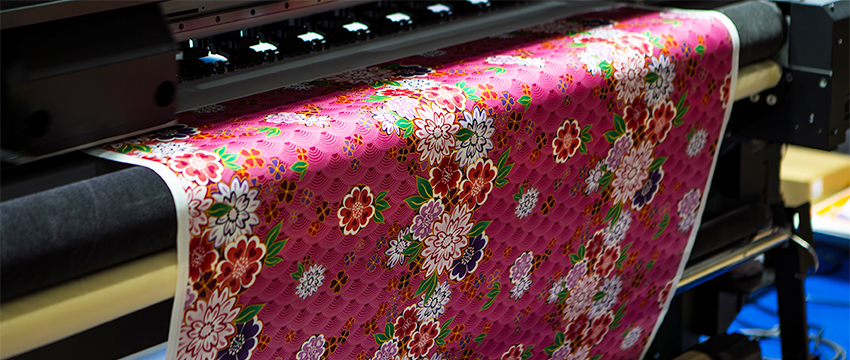
The textile industry has witnessed groundbreaking changes in recent years, with digital printing on fabric becoming one of the most transformative innovations. Traditionally, fabrics were printed using screen printing or block printing methods, which required extensive labor, high costs, and limited design flexibility. With the advent of digital technology, however, fabric printing has become faster, more precise, and more versatile.
Digital printing on fabric refers to the process of printing designs directly onto textiles using specialized inkjet technology. This allows for vibrant, detailed patterns and custom designs without the limitations of older techniques. Today, digital textile printing is not only reshaping the fashion industry but also home décor, sportswear, interior design, and even the automotive sector.
In this article, we’ll explore what digital printing on fabric is, how it works, its advantages, applications, and frequently asked questions to give you a comprehensive understanding of this powerful printing method.
What is Digital Printing on Fabric?
Digital fabric printing is a modern printing process where computer-controlled printers apply designs directly onto textiles. Unlike traditional printing, which requires creating screens for each color, digital printing uses advanced inkjet technology to spray ink directly onto the material. This allows manufacturers to print high-resolution designs with unlimited colors, gradients, and intricate details.
It works much like a paper printer, but instead of printing on sheets of paper, it prints directly on fabrics like cotton, silk, polyester, or blends. Specialized inks, such as reactive, pigment, acid, or sublimation inks, are used depending on the type of fabric.
How Does Digital Fabric Printing Work?
The digital printing process involves several steps to ensure quality and durability:
-
Design Creation – The artwork or pattern is created using software like Adobe Illustrator or Photoshop. Designers can work with unlimited color options and complex graphics.
-
Fabric Preparation – The fabric is pre-treated with chemicals that help the ink bond better, ensuring sharpness and wash durability.
-
Printing – The digital printer sprays the design onto the fabric using thousands of nozzles for high precision.
-
Fixation – Heat or steam is applied to fix the ink into the fibers, making the design permanent.
-
Washing and Finishing – Excess chemicals and unfixed inks are washed away, and the fabric is finished to achieve the desired texture and softness.
Types of Digital Fabric Printing
Different techniques are used in digital textile printing, depending on the fabric type and application:
-
Direct-to-Fabric (DTF) – The ink is applied directly to the textile. Suitable for cotton, silk, and linen.
-
Dye Sublimation Printing – Ideal for polyester fabrics. Designs are first printed on transfer paper, then heat-pressed onto the fabric.
-
Reactive Printing – Used on natural fibers like cotton. Provides vibrant colors and excellent wash fastness.
-
Pigment Printing – Works on a wide range of fabrics without much pre-treatment. Popular for home textiles.
-
Acid Printing – Applied to protein-based fibers like silk and wool. Produces brilliant colors and high durability.
Advantages of Digital Printing on Fabric
-
Unlimited Design Possibilities
Digital technology allows for intricate patterns, photo-realistic images, and limitless color variations that are impossible with traditional printing. -
Customization and Small Batch Printing
Unlike screen printing, which requires bulk production to be cost-effective, digital printing enables on-demand printing. This is ideal for startups, fashion designers, and personalized products. -
Eco-Friendly Process
Digital printing consumes less water, ink, and energy compared to conventional methods. Many manufacturers are adopting water-based inks that are more sustainable. -
Faster Turnaround
Since there is no need to create screens or plates, the printing process is much quicker, allowing for rapid prototyping and faster delivery. -
High-Quality Output
Prints are sharp, detailed, and durable, making them ideal for fashion, upholstery, and premium textile applications.
Applications of Digital Printing on Fabric
-
Fashion Industry: Designers use digital printing for unique collections, runway shows, and personalized clothing.
-
Home Décor: Curtains, upholstery, cushions, and bed linens are commonly printed with custom designs.
-
Sportswear: Polyester-based fabrics with sublimation printing dominate the sportswear industry due to durability and stretch compatibility.
-
Interior Design: Digital printing allows architects and designers to create custom wall coverings, carpets, and decorative textiles.
-
Advertising and Promotional Items: Banners, flags, and promotional fabrics are often digitally printed for vibrant visuals.
Limitations of Digital Printing on Fabric
While digital printing offers numerous benefits, it also has some limitations:
-
Higher Cost for Large Volumes – For mass production, traditional screen printing may still be more cost-effective.
-
Fabric Limitations – Some fabrics require pre-treatment or are incompatible with certain inks.
-
Durability Concerns – Depending on the ink type, wash resistance may not match that of traditional printing methods.
-
Speed in Bulk Production – Large-scale printing may take longer compared to rotary screen printing.
Future of Digital Fabric Printing
With growing demand for personalized products, sustainable practices, and advanced textile technologies, the future of digital printing on fabric looks promising. Artificial intelligence and automation are being integrated into design and production processes, enabling even faster turnaround times and higher-quality prints. Eco-friendly inks and zero-waste printing are expected to dominate the industry, making digital fabric printing a central force in the textile world.
FAQs
What fabrics are best for digital printing?
Digital printing works well on cotton, polyester, silk, rayon, and blends. The choice of ink depends on the fabric type. For example, sublimation is best for polyester, while reactive inks are suitable for cotton.
Is digital printing on fabric durable?
Yes. When the process is done correctly with proper fixation and finishing, digital prints can withstand multiple washes without fading. However, durability also depends on ink type and fabric quality.
Is digital fabric printing eco-friendly?
Compared to traditional printing, digital fabric printing uses less water and ink, making it more sustainable. Many companies now use biodegradable and water-based inks to reduce environmental impact.
How much does digital fabric printing cost?
Costs vary depending on fabric type, ink, design complexity, and print volume. While it may be more expensive for large batches, it is cost-effective for short runs, prototypes, and custom designs.
Can I print photographs on fabric using digital printing?
Yes. One of the biggest advantages of digital printing is its ability to produce photo-quality images with high resolution and vibrant detail.
Conclusion
Digital printing on fabric is revolutionizing the textile industry by offering unlimited design flexibility, eco-friendly processes, and faster turnaround times. While it may not completely replace traditional printing methods for large-scale production, it provides unmatched benefits for small-batch, customized, and high-quality fabric printing.
As consumer demand shifts toward personalization and sustainability, digital textile printing is set to grow even further, becoming the preferred method for fashion designers, manufacturers, and businesses across industries. Whether for fashion, home décor, or promotional items, digital printing on fabric opens up endless possibilities for creativity and innovation.

 English
 Arabic
 French
 Spanish
 Portuguese
 Deutsch
 Turkish
 Dutch
Dutch
 Italiano
 Romaian
 Portuguese (Brazil)
 Greek
Greek
Warning: Undefined array key "_is_photo" in /home/senmarri/public_html/friend24.in/content/themes/default/templates_compiled/9ea4999d05077b6b690d81624544cd64a51b1299_0.file.__feeds_post.comments.tpl.php on line 27
Warning: Attempt to read property "value" on null in /home/senmarri/public_html/friend24.in/content/themes/default/templates_compiled/9ea4999d05077b6b690d81624544cd64a51b1299_0.file.__feeds_post.comments.tpl.php on line 27
" style="background-image:url(
Warning: Undefined array key "user_picture" in /home/senmarri/public_html/friend24.in/content/themes/default/templates_compiled/19bd7b5d2fc32801d9316dbc2d8c5b25c99e72c3_0.file.__feeds_comment.form.tpl.php on line 31
);">
/home/senmarri/public_html/friend24.in/content/themes/default/templates_compiled/9ea4999d05077b6b690d81624544cd64a51b1299_0.file.__feeds_post.comments.tpl.php on line 128
Warning: Attempt to read property "value" on null in /home/senmarri/public_html/friend24.in/content/themes/default/templates_compiled/9ea4999d05077b6b690d81624544cd64a51b1299_0.file.__feeds_post.comments.tpl.php on line 128
">