
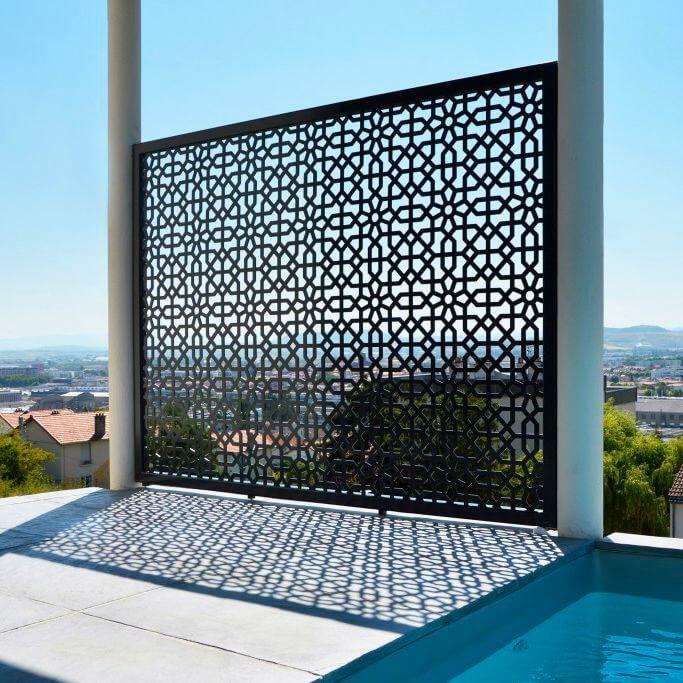
Dubai stands as one of the most iconic global cities where architecture represents both cultural heritage and futuristic vision. The emirate has become synonymous with innovation, yet its architects and designers continue to draw inspiration from Emirati traditions. Among these traditions, mashrabiya holds a special place in Middle Eastern design, offering privacy, ventilation, and artistic beauty. Today, this age-old architectural feature is reimagined with advanced fabrication techniques, transforming it into a modern masterpiece while maintaining its cultural significance.
Historical Significance of Mashrabiya
The mashrabiya, with origins in Islamic and Arab architecture, has always been more than just an ornamental screen. Traditionally carved from wood, it was used in homes and public buildings to provide shade from the harsh desert sun while allowing air to circulate. Its intricate geometric patterns carried deep cultural symbolism, reflecting harmony, balance, and beauty in Islamic art. Beyond functionality, mashrabiya also embodied social values, ensuring privacy for families without sacrificing natural light and ventilation. In Dubai, where tradition remains closely tied to modern progress, mashrabiya continues to be a defining element of architectural identity.
Evolution into Modern Steel Mashrabiya
As Dubai embraced rapid urbanization and innovative construction, architects began searching for ways to preserve traditional designs while incorporating modern materials. This led to the evolution of Steel Mashrabiya, which redefines the traditional wooden structure into durable, customizable metal screens. Using CNC cutting and laser fabrication, artisans and engineers can now replicate intricate heritage-inspired patterns with unmatched precision. Unlike wood, steel offers enhanced durability, resistance to Dubai’s climate, and a modern appeal that integrates seamlessly into skyscrapers, luxury villas, and cultural landmarks. This evolution ensures that mashrabiya continues to thrive as both a cultural and architectural statement in contemporary Dubai.
Applications in Dubai Architecture
One of the most compelling aspects of steel mashrabiya lies in its versatility across different sectors of Dubai’s architecture. In residential projects, these screens enhance facades, balconies, and interior partitions, blending elegance with privacy. For commercial developments, steel mashrabiya panels are widely used in office towers, shopping malls, and hotels, where they provide shading, reduce glare, and add striking visual impact. Cultural institutions and hospitality projects, such as museums, mosques, and luxury resorts, often incorporate mashrabiya designs to highlight Dubai’s connection to Emirati heritage. Even interior spaces embrace steel mashrabiya as decorative partitions, adding depth and cultural flair to modern design themes.
Benefits of Steel Mashrabiya
Steel mashrabiya offers numerous benefits that make it a preferred choice for architects and designers in Dubai. First, its durability ensures resistance against corrosion and harsh weather, a crucial factor in the UAE’s challenging climate. Second, it contributes to energy efficiency by reducing heat gain, cutting cooling costs, and allowing natural airflow. Third, steel provides unmatched design flexibility, enabling the creation of intricate geometric or abstract patterns that reflect both traditional and modern styles. Lastly, steel mashrabiya bridges the gap between heritage and innovation, offering solutions that are aesthetically captivating while being functionally robust.
Why Dubai Chooses Steel Mashrabiya
Dubai’s architectural vision thrives on blending tradition with modernity. By embracing steel mashrabiya, the city reinforces its cultural roots while supporting sustainable and functional design. The material’s ability to withstand time and weather aligns with Dubai’s pursuit of long-lasting infrastructure. Additionally, steel mashrabiya elevates luxury developments by enhancing both indoor and outdoor aesthetics, contributing to the emirate’s global reputation for world-class architecture. From residential villas to towering skyscrapers, the integration of this feature signifies Dubai’s ability to preserve heritage while leading global design trends.
Beyond Steel’s Role in Mashrabiya Craftsmanship
As a leader in architectural metal fabrication, Beyond Steel has become a trusted name in delivering innovative mashrabiya solutions. Their expertise combines precision engineering with an understanding of Emirati tradition, allowing them to craft custom steel mashrabiya panels that align with each client’s vision. Using advanced CNC and laser cutting technologies, Beyond Steel ensures accuracy, durability, and unique artistry in every project. From collaborating with architects on large-scale commercial towers to providing bespoke solutions for private residences, the company stands at the forefront of innovation while remaining true to cultural values.
Contribution to Sustainability and Energy Efficiency
Another critical advantage of steel mashrabiya lies in its contribution to sustainable architecture. By naturally reducing heat gain and glare, these screens minimize the need for artificial cooling and lighting. This eco-friendly feature supports Dubai’s sustainability goals, particularly its vision of creating energy-efficient smart cities. Steel, as a recyclable material, also ensures minimal environmental impact, making it a responsible choice for modern urban developments. Architects across Dubai increasingly choose steel mashrabiya to balance aesthetic excellence with ecological responsibility.
The Future of Steel Mashrabiya in Dubai
Looking ahead, steel mashrabiya is expected to play a more prominent role in shaping Dubai’s architectural landscape. As the emirate continues to attract global attention for its futuristic projects, the fusion of heritage with innovation will remain essential. With advancements in design software and fabrication technologies, future mashrabiya panels will likely feature even more intricate detailing, adaptive functions, and sustainable enhancements. Beyond aesthetics, steel mashrabiya will contribute to creating smarter, more climate-responsive buildings, strengthening Dubai’s global position as a hub for innovative architecture rooted in cultural authenticity.
Conclusion
Steel mashrabiya in Dubai embodies the perfect harmony between Emirati tradition and modern craftsmanship. Rooted in centuries of cultural heritage, it has evolved into a sophisticated architectural feature that symbolizes durability, beauty, and innovation. Its applications across residential, commercial, and cultural projects highlight its adaptability and timeless appeal. With companies like Beyond Steel leading in precision fabrication and design excellence, steel mashrabiya continues to enhance Dubai’s skyline and interior spaces. More than just an ornamental element, it represents Dubai’s vision: a city where tradition and modernity coexist in balance, shaping an architectural identity admired worldwide.

 English
 Arabic
 French
 Spanish
 Portuguese
 Deutsch
 Turkish
 Dutch
Dutch
 Italiano
 Russian
 Portuguese (Brazil)
 Greek
Greek
Warning: Undefined array key "_is_photo" in /home/senmarri/public_html/friend24.in/content/themes/default/templates_compiled/9ea4999d05077b6b690d81624544cd64a51b1299_0.file.__feeds_post.comments.tpl.php on line 27
Warning: Attempt to read property "value" on null in /home/senmarri/public_html/friend24.in/content/themes/default/templates_compiled/9ea4999d05077b6b690d81624544cd64a51b1299_0.file.__feeds_post.comments.tpl.php on line 27
" style="background-image:url(
Warning: Undefined array key "user_picture" in /home/senmarri/public_html/friend24.in/content/themes/default/templates_compiled/19bd7b5d2fc32801d9316dbc2d8c5b25c99e72c3_0.file.__feeds_comment.form.tpl.php on line 31
);">
/home/senmarri/public_html/friend24.in/content/themes/default/templates_compiled/9ea4999d05077b6b690d81624544cd64a51b1299_0.file.__feeds_post.comments.tpl.php on line 128
Warning: Attempt to read property "value" on null in /home/senmarri/public_html/friend24.in/content/themes/default/templates_compiled/9ea4999d05077b6b690d81624544cd64a51b1299_0.file.__feeds_post.comments.tpl.php on line 128
">