
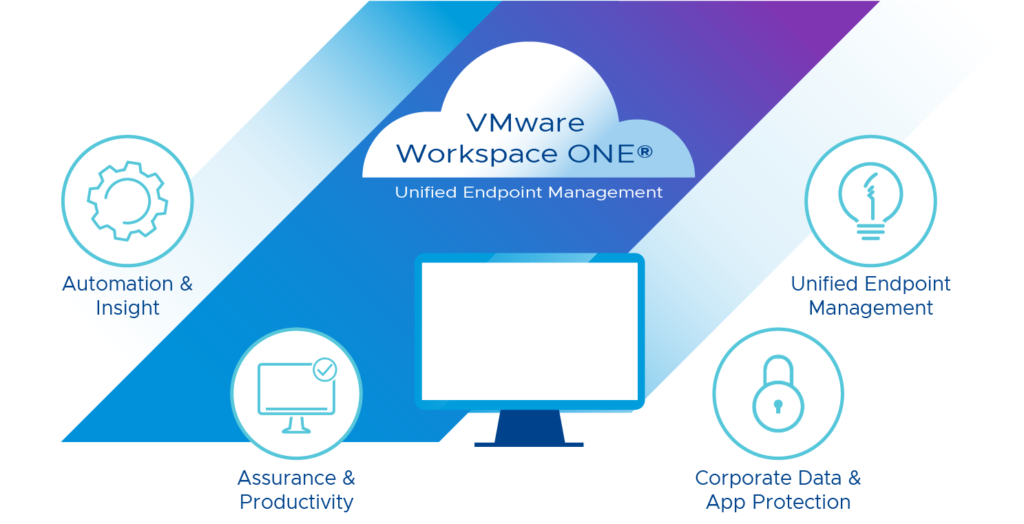
The corporate device fleet has exploded beyond company-issued laptops. It now encompasses smartphones, tablets, IoT sensors, ruggedized equipment, and personal devices used for work. Managing this chaotic ecosystem is a monumental IT challenge. Unified Endpoint Management (UEM) has emerged as the critical command center, providing a single pane of glass to secure, deploy, and manage every device, anywhere in the world, ensuring both productivity and ironclad security.
The adoption of this centralized approach is accelerating at a breathtaking pace. According to Straits Research, the global unified endpoint management landscape was valued at USD 10.15 billion in 2024 and is projected to reach from USD 13.34 billion in 2025 to USD 118.94 billion by 2033, growing at a CAGR of 31.45% during the forecast period (2025-2033). This staggering growth is a direct response to the permanent shift to hybrid work and the escalating complexity of modern device landscapes.
Key Players and Strategic Dominance:
The competitive field is a mix of legacy mobile management providers and enterprise software giants who have expanded their offerings.
-
VMware Workspace ONE (USA): A long-established leader, VMware leverages its deep virtualization expertise to offer a robust UEM platform that seamlessly integrates with its digital workspace solutions. Their strength lies in managing complex Windows environments alongside mobile devices, providing a unified application and identity management experience.
-
Microsoft Intune (USA): Perhaps the most formidable competitor, Intune has seen explosive growth due to its native integration with the Microsoft 365 ecosystem. For organizations deeply invested in Microsoft's suite, Intune offers a frictionless path to manage and secure endpoints with conditional access policies tied directly to Azure Active Directory logins.
-
IBM Security MaaS360 (USA): With a strong heritage in security, IBM’s MaaS360 platform emphasizes AI-powered threat detection and response on endpoints. It provides deep visibility into device risk posture and is particularly popular in highly regulated industries like finance and healthcare where data security is paramount.
-
MobileIron (USA) [Now part of Ivanti]: A pioneer in mobile device management, MobileIron’s acquisition by Ivanti created a powerful player combining UEM with IT service management (ITSM) and security capabilities. This integration allows for automated remediation—for example, if a device is found non-compliant, a ticket can be automatically generated and resolved.
-
ManageEngine (India): Representing a strong value proposition, ManageEngine’s Desktop Central UEM solution has gained significant traction, particularly with small to medium-sized enterprises. Their strategy focuses on providing a comprehensive, cost-effective alternative to the larger vendors, challenging them on price and flexibility.
Global Trends and Regional Developments:
The dominant trend is the convergence of UEM and Zero-Trust Security. UEM platforms are no longer just management tools; they are enforcement points for Zero-Trust architectures. They verify device health and compliance before granting access to applications and data, ensuring that only secure, managed devices can connect to corporate resources.
Another critical evolution is the expansion beyond traditional devices to manage IoT and operational technology (OT). Factories, hospitals, and retailers are using UEM platforms to secure and monitor everything from medical devices and digital signage to manufacturing robots, a segment with enormous growth potential.
Recently, Microsoft announced deeper integration between Intune and its Windows 365 Cloud PC service, further cementing its strategy for the future of hybrid work. In a major strategic move, BlackBerry sold its legacy patent portfolio to focus exclusively on its cybersecurity and UEM businesses, including its BlackBerry Spark platform, highlighting the value it sees in this sector.
Summary: Unified Endpoint Management has become an indispensable platform for securing and controlling diverse device fleets in the hybrid work era. Driven by integration with major software ecosystems and Zero-Trust security, key players are expanding into IoT management. UEM is the foundational technology enabling a secure and flexible digital workplace.

 English
 Arabic
 French
 Spanish
 Portuguese
 Deutsch
 Dutch
Dutch
 Italiano
 Russian
 Romaian
 Portuguese (Brazil)
 Greek
Greek
Warning: Undefined array key "_is_photo" in /home/senmarri/public_html/friend24.in/content/themes/default/templates_compiled/9ea4999d05077b6b690d81624544cd64a51b1299_0.file.__feeds_post.comments.tpl.php on line 27
Warning: Attempt to read property "value" on null in /home/senmarri/public_html/friend24.in/content/themes/default/templates_compiled/9ea4999d05077b6b690d81624544cd64a51b1299_0.file.__feeds_post.comments.tpl.php on line 27
" style="background-image:url(
Warning: Undefined array key "user_picture" in /home/senmarri/public_html/friend24.in/content/themes/default/templates_compiled/19bd7b5d2fc32801d9316dbc2d8c5b25c99e72c3_0.file.__feeds_comment.form.tpl.php on line 31
);">
/home/senmarri/public_html/friend24.in/content/themes/default/templates_compiled/9ea4999d05077b6b690d81624544cd64a51b1299_0.file.__feeds_post.comments.tpl.php on line 128
Warning: Attempt to read property "value" on null in /home/senmarri/public_html/friend24.in/content/themes/default/templates_compiled/9ea4999d05077b6b690d81624544cd64a51b1299_0.file.__feeds_post.comments.tpl.php on line 128
">