
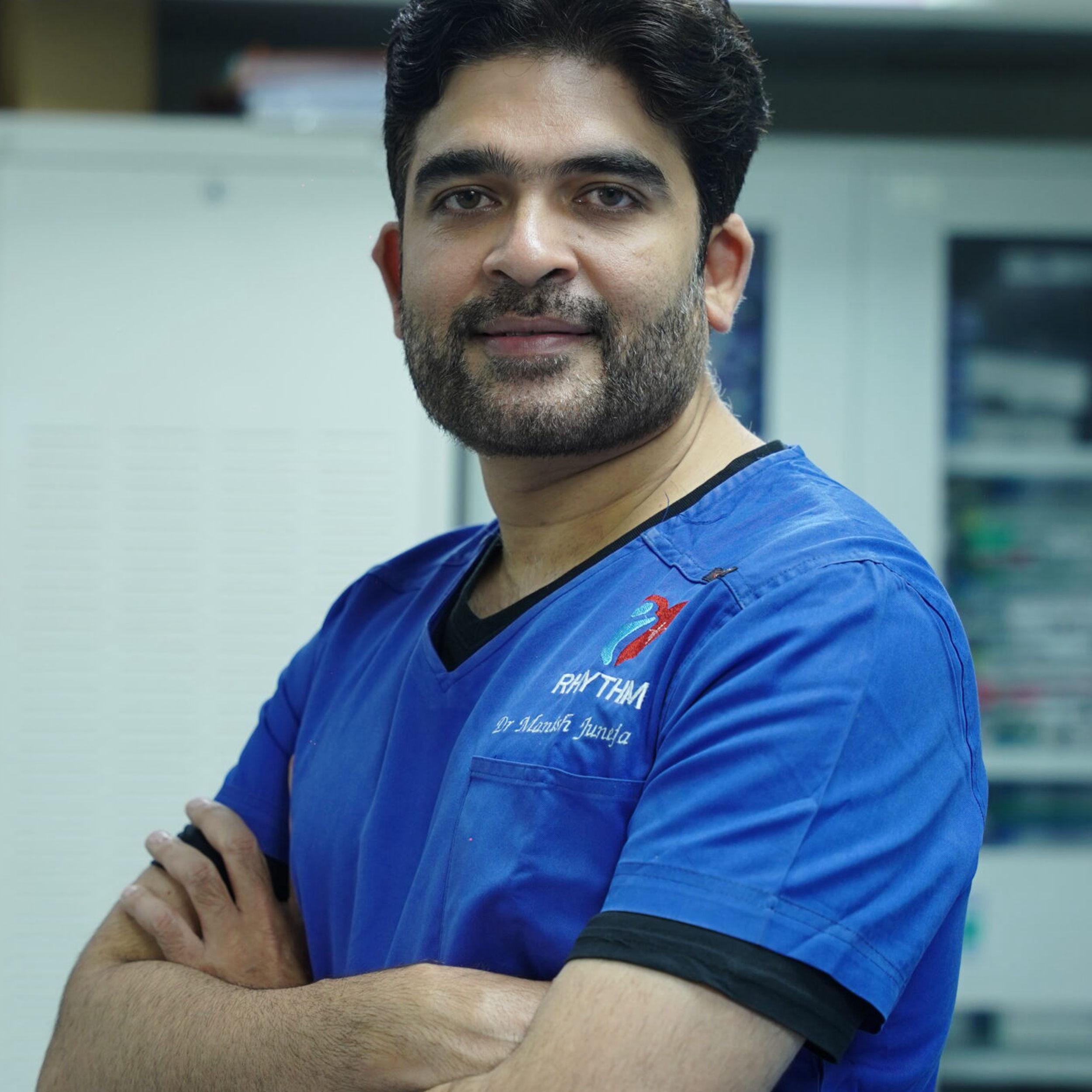
For individuals living with severe heart failure, a Cardiac Resynchronization Therapy Defibrillator (CRT-D) is more than a medical device; it's a guardian. It works tirelessly to correct inefficient heart rhythms and deliver a life-saving shock if a dangerous arrhythmia occurs.
While the clinical benefits are clear, the journey to implantation in India is often paved with financial questions. Understanding the variables that dictate the Crt D Cost In India is the first step for patients and families in planning for this critical treatment.
What Exactly Does a CRT-D Do?
A CRT-D is a sophisticated implantable device that serves a dual purpose. Its "CRT" function acts like an advanced pacemaker, coordinating the contractions of the heart's chambers to improve pumping efficiency and alleviate heart failure symptoms.
Its "D" (Defibrillator) function is a safety net; it constantly monitors the heart rhythm and can deliver an electrical shock to stop a potentially fatal arrhythmia, effectively preventing sudden cardiac arrest. It is typically recommended for patients with moderate to severe heart failure where the heart's electrical signals are out of sync.
A Breakdown of the CRT-D Cost Components
The total Crt D Cost In India is an amalgamation of several factors, leading to a typical price range of ₹ 4.5 lakhs to ₹ 15 lakhs. This isn't a single fee but a sum of the following parts:
-
The Device Itself: This is the most significant cost driver, often constituting 60-70% of the total. Devices from multinational companies (like Medtronic, Abbott, Boston Scientific) with advanced features and longer battery lives command a premium compared to more basic models or Indian-made alternatives.
-
Hospitalization Charges: This includes the surgeon's and cardiologist's fees, the operation theatre cost, anesthesia, and post-operative care in a cardiac ward or ICU for a few days.
-
Diagnostic Tests: A series of essential tests precede the implantation, such as echocardiograms, electrocardiograms (ECG), blood work, and sometimes a coronary angiogram. These are separate line items in the final bill.
-
Additional Expenses: Costs for medicines during the hospital stay, follow-up consultations, and any unforeseen complications add to the overall financial outlay.
Key Factors That Influence the Final Price
The final figure for a Crt D Cost In India is not fixed and depends heavily on:
-
Hospital Type and City: Premier private hospitals in metropolitan hubs like Mumbai, Delhi, or Bangalore will have higher costs than those in tier-2 cities, reflecting their advanced infrastructure and expertise.
-
Doctor's Expertise: The fee of a highly specialized and renowned cardiologist or electrophysiologist will influence the procedural cost.
-
Technology and Brand: The choice between a latest-generation device with remote monitoring capabilities and a standard model has a direct impact on the price.
Financing the Procedure: Making it Affordable
Given the substantial investment, exploring financial avenues is crucial:
-
Health Insurance: Most comprehensive health insurance plans cover CRT-D implantation as it is a necessary therapeutic procedure. Patients must verify their sum insured, check for any sub-limits on devices, and confirm whether their hospital offers a cashless facility.
-
Government Schemes: The Ayushman Bharat Pradhan Mantri Jan Arogya Yojana (AB-PMJAY) covers CRT-D implantation for eligible beneficiaries, dramatically reducing the financial burden. Several state government health schemes also provide coverage.
-
Hospital EMI Options: Many major hospitals offer financing plans or partnerships with banks that allow patients to pay for the procedure in monthly installments, making the cost more manageable.
Conclusion: Weighing Cost Against Value
While the Crt D Cost In India is undeniably significant, its value is measured in the years of life it protects and the quality of life it restores. It is a powerful intervention that reduces hospitalizations and the risk of sudden death.
By carefully researching options, consulting with multiple hospitals, and leveraging insurance or government schemes, patients can navigate the financial challenges and secure this vital technology, turning a price tag into an investment in a longer, more secure future.

 English
 Arabic
 French
 Spanish
 Portuguese
 Deutsch
 Turkish
 Dutch
Dutch
 Italiano
 Russian
 Romaian
 Greek
Greek
Warning: Undefined array key "_is_photo" in /home/senmarri/public_html/friend24.in/content/themes/default/templates_compiled/9ea4999d05077b6b690d81624544cd64a51b1299_0.file.__feeds_post.comments.tpl.php on line 27
Warning: Attempt to read property "value" on null in /home/senmarri/public_html/friend24.in/content/themes/default/templates_compiled/9ea4999d05077b6b690d81624544cd64a51b1299_0.file.__feeds_post.comments.tpl.php on line 27
" style="background-image:url(
Warning: Undefined array key "user_picture" in /home/senmarri/public_html/friend24.in/content/themes/default/templates_compiled/19bd7b5d2fc32801d9316dbc2d8c5b25c99e72c3_0.file.__feeds_comment.form.tpl.php on line 31
);">
/home/senmarri/public_html/friend24.in/content/themes/default/templates_compiled/9ea4999d05077b6b690d81624544cd64a51b1299_0.file.__feeds_post.comments.tpl.php on line 128
Warning: Attempt to read property "value" on null in /home/senmarri/public_html/friend24.in/content/themes/default/templates_compiled/9ea4999d05077b6b690d81624544cd64a51b1299_0.file.__feeds_post.comments.tpl.php on line 128
">