
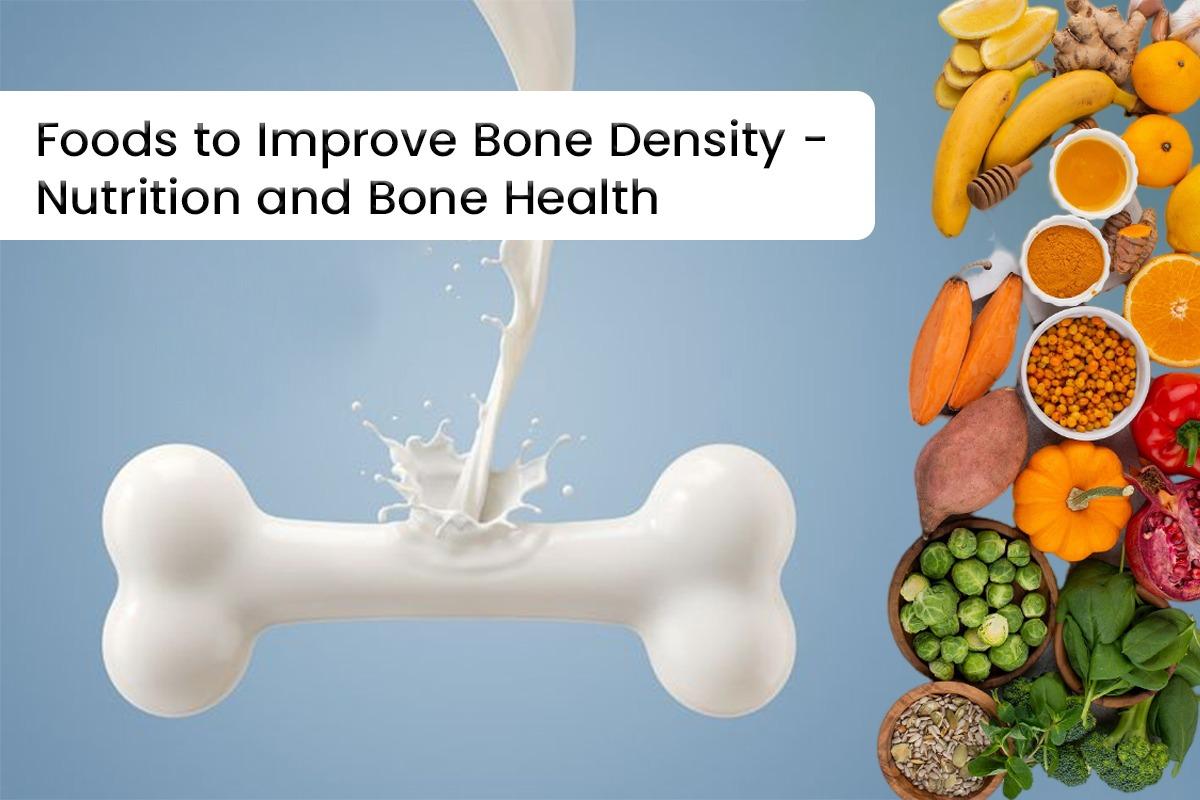
Bone health remains a cornerstone of overall wellness that many overlook until problems arise. Our skeletal system provides structure, protects organs, and stores minerals vital for bodily functions. As we age, maintaining bone density becomes increasingly important to prevent conditions like osteoporosis. Through strategic nutrition, we can support our bones throughout life.
The Foundation of Bone Health: Key Nutrients
Bones consist of living tissue that continuously breaks down and rebuilds. This process requires adequate nutrition to maintain proper balance. Several nutrients play critical roles in bone formation and maintenance, with calcium and vitamin D leading the list. However, many other minerals and vitamins contribute significantly to skeletal strength.
Calcium: The Primary Building Block
Calcium constitutes the primary mineral found in bones, accounting for approximately 99% of the body's total calcium stores. Our bodies cannot produce calcium independently, making dietary intake essential. Dairy products like milk, cheese, and yogurt provides highly absorbable calcium. For those avoiding dairy, several plant-based options offers excellent alternatives.
Leafy greens such as kale, collard greens, and broccoli contains substantial calcium. Additionally, fortified foods like plant-based milks, orange juice, and breakfast cereals can help meet daily requirements. According to the National Institute of Arthritis and Musculoskeletal and Skin Diseases, adults aged 19-50 require 1,000 milligrams of calcium daily, with needs increasing to 1,200 milligrams for women over 50 and men over 70.
Vitamin D: The Calcium Regulator
Without sufficient vitamin D, our bodies cannot effectively absorb calcium, rendering even high-calcium diets less beneficial. This fat-soluble vitamin functions like a hormone, regulating calcium and phosphate levels to maintain healthy bones. While sunlight exposure triggers vitamin D production in the skin, many factors limit this natural synthesis.
Fatty fish like salmon, mackerel, and sardines contains naturally occurring vitamin D. Egg yolks and fortified foods also contributes to daily intake. The National Institutes of Health Office of Dietary Supplements recommends 600 IU daily for adults under 70 and 800 IU for those over 70. However, many healthcare providers suggests higher doses for optimal bone health, particularly in regions with limited sunlight.
Beyond Calcium: Essential Minerals for Bone Density
While calcium receives most attention, several other minerals plays crucial roles in bone health. Magnesium, phosphorus, potassium, and trace minerals all contribute to the complex process of bone formation and maintenance. A comprehensive approach to nutrition ensures these minerals work synergistically to support skeletal strength.
Magnesium: The Unsung Hero
Magnesium participates in over 300 biochemical reactions in the body, including those essential for bone health. This mineral influences calcium transport and activates vitamin D. Studies shows that adequate magnesium intake correlates with higher bone mineral density. Nuts, seeds, whole grains, and legumes provides excellent dietary sources of magnesium. Dark chocolate, particularly varieties with high cocoa content, offers a surprising source of this bone-supporting mineral.
Phosphorus and Potassium: Supporting Roles
Phosphorus works alongside calcium to form hydroxyapatite, the mineral complex that gives bones their rigidity. While deficiency remains rare due to its presence in many foods, balanced intake with calcium proves essential. Meat, poultry, fish, dairy products, nuts, and whole grains all contains phosphorus.
Potassium helps neutralize acids that would otherwise leach calcium from bones. Fruits and vegetables, particularly bananas, potatoes, spinach, and avocados, provides abundant potassium. The alkaline nature of these foods helps maintain optimal pH balance, preserving bone mineral content.
For individuals struggling to obtain sufficient minerals through diet alone, minerals supplements can provide valuable support. However, we recommends consulting healthcare professionals before beginning any supplementation regimen, as excessive intake of certain minerals can interfere with absorption or cause adverse effects. The ideal approach combines a nutrient-dense diet with targeted supplementation when necessary, ensuring comprehensive support for bone health.
Protein and Bone Health: The Connection
Protein constitutes approximately 50% of bone volume and about one-third of bone mass. This macronutrient forms the structural matrix upon which minerals deposit. Research indicates that adequate protein intake supports bone density throughout life, particularly when combined with sufficient calcium.
Animal-based proteins like meat, poultry, fish, eggs, and dairy provides all essential amino acids. Plant-based proteins from legumes, nuts, seeds, and whole grains also contributes significantly to bone health when consumed in adequate amounts and variety. The International Osteoporosis Foundation emphasizes that both animal and plant proteins can support bone health when part of a balanced diet.
Vitamin K and Other Bone-Supporting Nutrients
Vitamin K plays a critical role in bone metabolism by activating proteins involved in bone formation. This fat-soluble vitamin helps bind calcium to the bone matrix, improving mineralization. Leafy green vegetables like kale, spinach, and collard greens contains vitamin K1, while fermented foods like natto provides vitamin K2.
Trace Minerals with Major Impact
Though required in smaller amounts, trace minerals significantly influences bone health. Zinc supports bone-building cells called osteoblasts, copper aids in collagen formation, and manganese contributes to bone mineralization. Boron, though not officially classified as essential, appears to reduce calcium loss and magnesium excretion.
A varied diet including seafood, nuts, seeds, whole grains, and vegetables typically provides adequate trace minerals. However, certain populations, particularly older adults, may benefits from ensuring adequate intake of these micronutrients through diet or supplementation.
Lifestyle Factors That Complement Bone-Healthy Nutrition
Nutrition alone cannot guarantee optimal bone health. Several lifestyle factors significantly influences bone density and strength. Weight-bearing exercises stimulates bone formation by placing stress on the skeleton, signaling the body to deposit more minerals in these areas.
Resistance training, walking, jogging, dancing, and tennis all provides excellent bone-stimulating activity. Additionally, avoiding smoking and limiting excessive alcohol consumption helps preserve bone density. The National Osteoporosis Foundation recommends at least 30 minutes of weight-bearing exercise most days of the week for optimal bone health.
Creating a Bone-Healthy Eating Pattern
Rather than focusing on individual nutrients or foods, we recommends adopting an overall eating pattern that supports bone health. The Mediterranean diet, rich in fruits, vegetables, whole grains, legumes, nuts, seeds, and olive oil, with moderate amounts of fish and dairy, provides an excellent framework for bone health.
This dietary approach offers not only bone-supporting nutrients but also anti-inflammatory compounds that may protect against bone loss. Traditional Asian diets, emphasizing vegetables, soy products, and fish with limited dairy, also demonstrates positive associations with bone health despite lower calcium intake than Western diets.
Special Considerations for Different Life Stages
Bone health needs varies throughout life. During childhood and adolescence, rapid bone growth requires adequate nutrition to achieve peak bone mass. Young adults should focus on maintaining bone density, while middle-aged adults benefit from nutrition strategies that slow age-related bone loss.
Postmenopausal women face accelerated bone loss due to declining estrogen levels, making nutritional interventions particularly crucial. Older adults of both genders needs increased attention to bone-supporting nutrients due to reduced absorption efficiency and increased fracture risk.
Plant-Based Diets and Bone Health
Those following plant-based diets can maintain excellent bone health with careful planning. While plant sources of calcium may be less bioavailable than dairy, consuming adequate amounts and pairing with vitamin D-rich foods or supplements ensures proper absorption. Plant-based eaters should also ensure sufficient protein intake and consider vitamin B12 supplementation, as deficiency may indirectly affect bone health.
Putting It All Together: Practical Recommendations
Supporting bone health through nutrition requires a comprehensive approach that includes:
- Consuming adequate calcium from dairy or plant sources
- Ensuring sufficient vitamin D through sunlight, diet, or supplements
- Including magnesium-rich foods like nuts, seeds, and whole grains
- Eating plenty of fruits and vegetables for potassium and other nutrients
- Incorporating adequate protein from animal or plant sources
- Adding vitamin K-rich leafy greens to your diet
- Engaging in regular weight-bearing exercise
- Avoiding smoking and excessive alcohol consumption
By implementing these strategies, we can support our bones throughout life, reducing fracture risk and maintaining mobility and independence well into older age. Remember that bone health reflects long-term patterns rather than short-term interventions, making consistent nutrition and lifestyle choices essential for skeletal strength.

 English
 French
 Spanish
 Portuguese
 Deutsch
 Turkish
 Dutch
Dutch
 Italiano
 Russian
 Romaian
 Portuguese (Brazil)
 Greek
Greek
Warning: Undefined array key "_is_photo" in /home/senmarri/public_html/friend24.in/content/themes/default/templates_compiled/9ea4999d05077b6b690d81624544cd64a51b1299_0.file.__feeds_post.comments.tpl.php on line 27
Warning: Attempt to read property "value" on null in /home/senmarri/public_html/friend24.in/content/themes/default/templates_compiled/9ea4999d05077b6b690d81624544cd64a51b1299_0.file.__feeds_post.comments.tpl.php on line 27
" style="background-image:url(
Warning: Undefined array key "user_picture" in /home/senmarri/public_html/friend24.in/content/themes/default/templates_compiled/19bd7b5d2fc32801d9316dbc2d8c5b25c99e72c3_0.file.__feeds_comment.form.tpl.php on line 31
);">
/home/senmarri/public_html/friend24.in/content/themes/default/templates_compiled/9ea4999d05077b6b690d81624544cd64a51b1299_0.file.__feeds_post.comments.tpl.php on line 128
Warning: Attempt to read property "value" on null in /home/senmarri/public_html/friend24.in/content/themes/default/templates_compiled/9ea4999d05077b6b690d81624544cd64a51b1299_0.file.__feeds_post.comments.tpl.php on line 128
">