
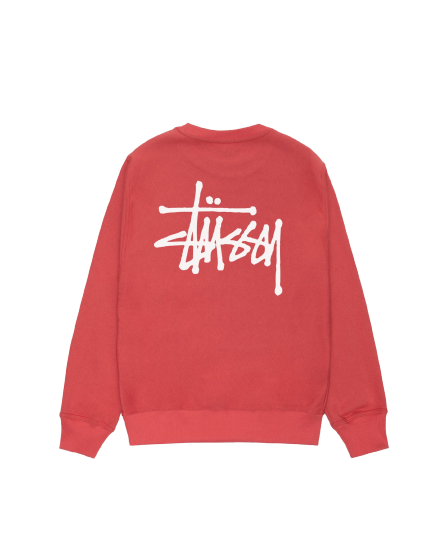
A Global Symbol of Streetwear Culture
Stussy Clothing is more than just apparel; it is a movement that reshaped how people dress, express themselves, and connect to urban culture. Since its beginnings in Southern California in the early 1980s, the brand has stood at the crossroads of surf, skate, punk, and hip-hop culture. What began as a small batch of screen-printed T-shirts quickly evolved into a full-fledged lifestyle brand. Today, Stüssy represents authenticity and creative freedom, with its distinctive hand-drawn logo recognized around the world. This article dives deep into the roots, evolution, and enduring influence of Stüssy Clothing, exploring why it has remained relevant for more than four decades.
The Origins of Stüssy: Surfboards to Streetwear
Stüssy Clothing began with Shawn Stüssy, a surfboard shaper from Laguna Beach, California. In the late 1970s and early 1980s, Shawn started scrawling his signature across the surfboards he shaped, a bold, graffiti-style script that would later define the brand. To promote his boards, he printed the same hand-written logo onto T-shirts and caps, selling them at local surf contests and boutiques.
These early T-shirts became unexpectedly popular. They were not just souvenirs but authentic symbols of a coastal lifestyle blending surf, skate, and underground culture. By 1984, Stüssy Clothing officially launched as a label with a small team, emphasizing limited runs, bold graphics, and a rebellious spirit. This grassroots approach — born from a hobby rather than a calculated business plan — gave the brand an organic authenticity that competitors could not replicate.
Defining the Aesthetic: The Power of a Signature Logo
One of the most distinctive features of Stüssy Clothing is its instantly recognizable logo. Shawn Stüssy’s marker-penned signature, inspired by punk DIY aesthetics and surf culture, became an enduring symbol. It gave the brand a personal, almost intimate touch, separating it from the sterile typography of mainstream fashion brands.
Beyond the logo, Stüssy’s aesthetic fused California beach vibes with global street sensibilities. Oversized T-shirts, baggy shorts, baseball caps, and hoodies formed the backbone of early collections. The designs drew inspiration from reggae, punk, hip-hop, and skateboarding, creating a melting pot of cultural references. This fusion resonated with a new generation of consumers looking for clothes that felt authentic, expressive, and connected to music and street life.
Building a Subculture: The “International Stüssy Tribe”
During the late 1980s and early 1990s, Stüssy Clothing pioneered the concept of an informal, global streetwear community. Shawn Stüssy and his business partner Frank Sinatra Jr. (no relation to the singer) formed the “International Stüssy Tribe,” a network of DJs, artists, skaters, and influencers who embodied the brand’s ethos. Members received exclusive gear and represented the label in their cities, turning it into a decentralized movement rather than a top-down brand.
This was long before the age of social media influencers, yet the concept was similar. Stüssy empowered tastemakers in London, New York, Tokyo, and Paris to represent the brand locally, creating an aspirational aura. Fans saw Stüssy not just as clothing but as a lifestyle rooted in underground credibility, cultural exchange, and friendship across borders.
Stüssy and the Birth of Modern Streetwear
Many historians credit Stüssy as one of the first true streetwear brands. While other labels catered to surf shops or skate stores, Stüssy uniquely bridged multiple subcultures. It wasn’t just about selling products; it was about selling an attitude. This hybrid positioning allowed Stüssy to thrive even as streetwear evolved from niche communities into mainstream fashion.
In the 1990s, as hip-hop and skateboarding exploded in popularity, Stüssy found itself at the epicenter. Its oversized hoodies, graphic tees, and bold caps became uniforms for urban youth worldwide. Other brands took note, but few captured the same authenticity. Stüssy’s blend of limited production runs, graphic experimentation, and cultural cross-pollination became the template for later streetwear giants.
Collaborations: Pioneering Partnerships Before They Were Trendy
Long before collaborations became the norm, Stüssy was forging partnerships with like-minded brands and artists. This innovative approach allowed it to stay fresh and expand its reach without diluting its core identity.
Stüssy collaborated with Nike on special sneakers, joined forces with Supreme and BAPE, and even explored high-end collaborations with Dior and Comme des Garçons. These projects blurred the line between streetwear and high fashion, elevating the perception of the brand while introducing its aesthetic to new audiences. Each collaboration reflected mutual respect rather than opportunistic branding, reinforcing Stüssy’s status as a cultural tastemaker.
The Evolution of Stüssy Clothing Styles
Over the decades, Stüssy has continually adapted while staying true to its roots. The brand’s core categories — T-shirts, hoodies, outerwear, hats, and accessories — remain staples, but the designs have evolved to reflect changing tastes.
-
T-Shirts and Graphics: Stüssy’s graphic tees are legendary. They combine bold logos, cartoonish illustrations, and references to music, politics, and global cities. Limited releases fuel a sense of exclusivity.
-
Hoodies and Outerwear: Stussy hoodies embody comfort and style. Over the years, they have introduced heavier fabrics, oversized silhouettes, and subtle embroidery to cater to premium streetwear markets.
-
Caps and Headwear: The iconic Stüssy 8-ball cap and bucket hats became symbols of 1990s cool. These pieces are still reissued in updated colorways, appealing to nostalgia and fresh trends alike.
-
Accessories and Lifestyle: Beyond clothing, Stüssy offers backpacks, socks, eyewear, and even home goods, extending its aesthetic into everyday life.
This ability to evolve without losing identity is a key reason Stüssy Clothing retains relevance across generations.
Cultural Impact: Music, Art, and Skateboarding
Stüssy Clothing’s impact stretches far beyond apparel. The brand has always intertwined itself with music, art, and skateboarding, three pillars of urban youth culture. DJs and musicians wore Stüssy gear in the 1990s, linking it with underground club scenes and hip-hop shows. Skateboarders embraced its loose fits and durable fabrics, while artists admired its rebellious DIY spirit.
Even today, Stüssy sponsors art installations, collaborates with galleries, and partners with musicians for capsule drops. This ongoing cultural engagement reinforces the brand’s authenticity. Rather than simply chasing trends, Stüssy helps create them, investing in grassroots creativity.
Global Expansion: From California to Tokyo and Beyond
In the 1990s, Japan became one of Stüssy’s most important markets. Japanese consumers embraced the brand’s mix of surf and street culture, and Stüssy opened flagship stores in Tokyo and other cities. The Japanese streetwear scene, in turn, influenced Stüssy’s design language, creating a feedback loop of innovation.
Today, Stüssy has flagship stores and stockists in major fashion capitals, from Los Angeles to London, New York to Milan. Yet it maintains a sense of exclusivity by limiting distribution and preserving its independent spirit. Unlike mass-market labels, Stüssy prioritizes cultural credibility over unchecked expansion.
Why Stüssy Clothing Remains Timeless
Several factors explain why Stüssy Clothing has endured while many competitors have faded:
-
Authenticity: The brand emerged organically from surf and street culture, giving it credibility.
-
Adaptability: Stüssy evolves with the times while preserving its DNA.
-
Exclusivity: Limited releases and collaborations fuel demand.
-
Cultural Engagement: By investing in art, music, and skateboarding, Stüssy stays relevant to tastemakers.
-
Global yet Local: Its “tribe” approach fosters community across continents while feeling personal in each city.
This unique formula has allowed Stüssy to transcend fleeting fashion cycles, becoming a permanent fixture in the wardrobes of style-savvy individuals worldwide.
Stüssy in the Age of Social Media and Hype Culture
The rise of Instagram and hype-driven fashion could have diluted Stüssy’s appeal, but the opposite has occurred. The brand’s legacy, combined with smart digital storytelling, has cemented its place among younger audiences. Drops sell out quickly, and vintage Stüssy pieces fetch high prices on resale platforms.
Stüssy balances nostalgia and innovation: reissuing classic designs for older fans while experimenting with fresh cuts, sustainable fabrics, and digital marketing for new audiences. In an era of fast fashion, Stüssy’s enduring commitment to quality and culture makes it stand out even more.
Sustainability and Future Directions
As consumers demand more sustainable practices, Stüssy has begun exploring eco-friendly materials, ethical manufacturing, and transparency in its supply chain. While not yet a fully sustainable brand, it has taken steps toward reducing its footprint, such as using organic cotton and recycled fabrics in select collections.
Looking ahead, Stüssy’s challenge will be balancing heritage with innovation. It must continue honoring its surf and streetwear origins while appealing to a new generation raised on digital culture, climate consciousness, and inclusive representation. Given its track record of reinvention, the brand is well-positioned to lead the next era of streetwear.
How to Style Stüssy Clothing Today
Stüssy Clothing offers versatile pieces that fit seamlessly into modern wardrobes. Here are some styling tips for enthusiasts:
-
Classic Streetwear: Pair a Stüssy graphic tee with loose jeans, a bucket hat, and sneakers for a nostalgic 1990s look.
-
Elevated Casual: Combine a Stüssy hoodie with tailored trousers and premium leather sneakers for a smart-casual hybrid.
-
Layering with Outerwear: Stüssy’s jackets and overshirts work perfectly with minimalist basics, allowing the logo to pop without overwhelming the outfit.
-
Gender-Fluid Styling: Stüssy’s relaxed fits and unisex appeal make it easy for anyone to embrace the brand regardless of gender.
Because Stüssy balances bold graphics with timeless silhouettes, its clothing adapts to many personal styles.
The Legacy of Stüssy Clothing
Few brands can claim to have birthed an entire category of fashion, but Stüssy Clothing arguably did just that. From humble surfboards to global streetwear dominance, it has shaped how generations express themselves through clothing. Its emphasis on authenticity, collaboration, and community has influenced countless other brands and continues to set a standard for what streetwear can be.
More Than Just a Brand
Stussy Shirt stands as a testament to the power of culture-driven creativity. What started as one man’s surfboard signature has grown into a global phenomenon that transcends trends and geography. In an industry often obsessed with rapid turnover, Stüssy’s staying power comes from its authenticity, adaptability, and deep roots in the communities it serves.
As streetwear continues to evolve — merging with luxury, technology, and sustainability — Stüssy remains a beacon of originality. For fans old and new, wearing Stüssy Clothing is not just about fashion; it’s about belonging to a movement that values creativity, individuality, and connection.

 English
 Arabic
 French
 Spanish
 Deutsch
 Turkish
 Dutch
Dutch
 Italiano
 Russian
 Romaian
 Portuguese (Brazil)
 Greek
Greek
Warning: Undefined array key "_is_photo" in /home/senmarri/public_html/friend24.in/content/themes/default/templates_compiled/9ea4999d05077b6b690d81624544cd64a51b1299_0.file.__feeds_post.comments.tpl.php on line 27
Warning: Attempt to read property "value" on null in /home/senmarri/public_html/friend24.in/content/themes/default/templates_compiled/9ea4999d05077b6b690d81624544cd64a51b1299_0.file.__feeds_post.comments.tpl.php on line 27
" style="background-image:url(
Warning: Undefined array key "user_picture" in /home/senmarri/public_html/friend24.in/content/themes/default/templates_compiled/19bd7b5d2fc32801d9316dbc2d8c5b25c99e72c3_0.file.__feeds_comment.form.tpl.php on line 31
);">
/home/senmarri/public_html/friend24.in/content/themes/default/templates_compiled/9ea4999d05077b6b690d81624544cd64a51b1299_0.file.__feeds_post.comments.tpl.php on line 128
Warning: Attempt to read property "value" on null in /home/senmarri/public_html/friend24.in/content/themes/default/templates_compiled/9ea4999d05077b6b690d81624544cd64a51b1299_0.file.__feeds_post.comments.tpl.php on line 128
">