
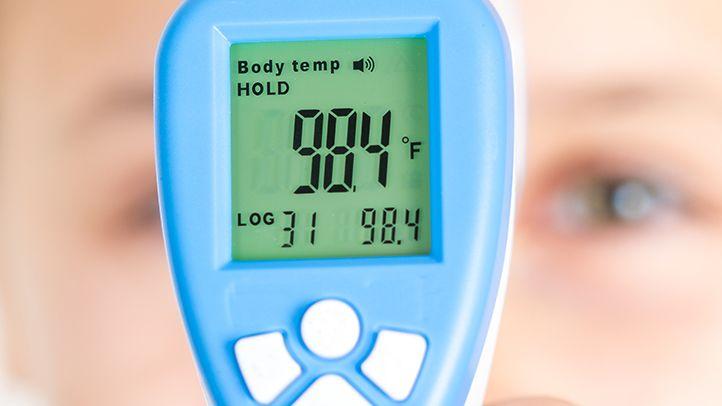
Body temperature is one of the most reliable indicators of your overall health. A modest rise or fall might reveal a lot about what's going on inside your body. Knowing how to monitor your temperature can help Australians detect problems early, particularly during flu season or when coping with common ailments.
Normal body temperature
Most people have a body temperature of approximately 37°C; however, this might vary from person to person. For some people, 36.5°C may be perfectly normal, but for others, it may be too hot. Your temperature can be affected by the time of day, how much you exercise, and even what you eat.
- Morning readings: Readings in the morning are normally slightly lower.
- Evening readings: Are usually slightly higher after a full day of effort.
- Children: Tend to be warmer than adults.
Knowing your own baseline makes it easy to detect errors.
When temperature rises
A rising body temperature usually indicates that your body is fighting something off. It could be a disease, the flu, or an infection. Fever may be uncomfortable, but it is a natural mechanism for your body to protect itself.
A low-grade fever may not be cause for concern, but if it increases above 38°C, you should pay closer attention. At this moment, you may have chills, sweat, or body aches.
When temperature drops
Hypothermia, or low body temperature, can be a dangerous condition. In Australia, this could happen in the southern states during the winter or while swimming in cold water. Some of the symptoms include shaking, confusion, and fatigue.
You should not dismiss even a minor drop below 35°C. Lower body temperatures can be extremely harmful for elderly people, babies, and those with compromised immune systems.
Signs your body is giving you
When you have certain medical conditions, your body temperature fluctuates significantly. Here are a few things that different readings can indicate:
- Slightly elevated (37.5–38°C): This is usually indicative of a small infection, such as a cold.
- High fever (above 38°C): Could indicate you have the flu or a bacterial infection.
- Very high fever (above 39.5°C): See a doctor straight away.
- Low temperature (below 36°C): It could indicate hypothermia or another health issue.
When you know these values, you may easily choose whether you should see a doctor or simply rest and drink fluids.
Temperature and daily life
Even if you are not unwell, your body temperature might reveal valuable information about your life. Stress and a lack of sleep can cause your temperature to fluctuate; however, exercise does this naturally.
- After exercise: A temporary increase indicates that your body is working harder.
- During stress: Cortisol causes it to rise somewhat.
- Lack of sleep: Not getting enough sleep might weaken your immune system, making fevers more frequent.
Managing changes safely
It's not difficult to keep track of your body temperature. A reliable thermometer at home could help you avoid guessing. If your fever appears odd or does not return to normal after a few days, you should contact a doctor.
Final thoughts
Your body temperature is more than simply a number; it reflects your health and well-being. Learning how to read changes can help you spot early signs of illness, take action, and have a deeper understanding of what your body is telling you. Keeping track of your temperature is a small thing but may make a big impact for Australians who have to cope with changing seasons, hectic lifestyles, and health issues on a daily basis.
For More Infomation visit: suominyt & germanbuzz

 English
 Arabic
 French
 Portuguese
 Deutsch
 Turkish
 Dutch
Dutch
 Italiano
 Russian
 Romaian
 Portuguese (Brazil)
 Greek
Greek
Warning: Undefined array key "_is_photo" in /home/senmarri/public_html/friend24.in/content/themes/default/templates_compiled/9ea4999d05077b6b690d81624544cd64a51b1299_0.file.__feeds_post.comments.tpl.php on line 27
Warning: Attempt to read property "value" on null in /home/senmarri/public_html/friend24.in/content/themes/default/templates_compiled/9ea4999d05077b6b690d81624544cd64a51b1299_0.file.__feeds_post.comments.tpl.php on line 27
" style="background-image:url(
Warning: Undefined array key "user_picture" in /home/senmarri/public_html/friend24.in/content/themes/default/templates_compiled/19bd7b5d2fc32801d9316dbc2d8c5b25c99e72c3_0.file.__feeds_comment.form.tpl.php on line 31
);">
/home/senmarri/public_html/friend24.in/content/themes/default/templates_compiled/9ea4999d05077b6b690d81624544cd64a51b1299_0.file.__feeds_post.comments.tpl.php on line 128
Warning: Attempt to read property "value" on null in /home/senmarri/public_html/friend24.in/content/themes/default/templates_compiled/9ea4999d05077b6b690d81624544cd64a51b1299_0.file.__feeds_post.comments.tpl.php on line 128
">