
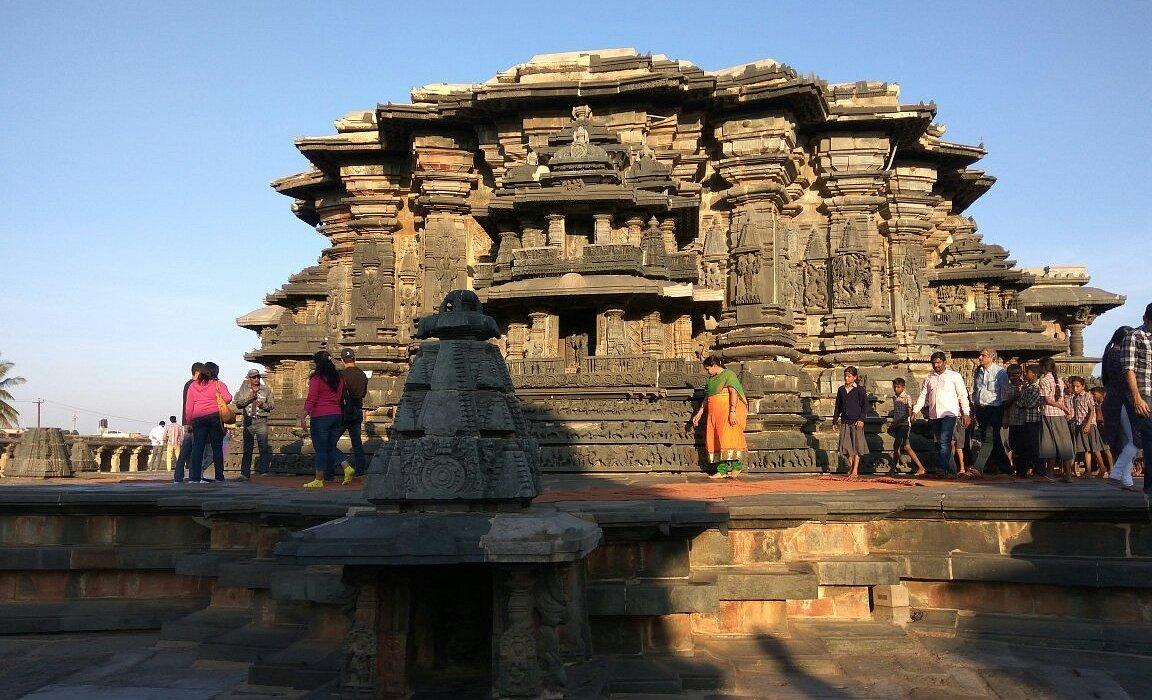
Karnataka is a land where history, spirituality, and culture beautifully blend together. From the ancient ruins of Hampi to the magnificent temples of Belur and Halebidu, the state has always been known for its deep-rooted traditions and stunning architecture. A Karnataka temple tour is not just about visiting places of worship; it is about experiencing centuries of devotion, craftsmanship, and living traditions that continue to inspire people from across the world. Every temple in Karnataka has a story to tell, reflecting the beliefs, rituals, and artistic brilliance of the dynasties that once flourished here.
The Spiritual Essence of Karnataka
When you step into a temple in Karnataka, you enter a space that radiates peace and divinity. The chants of priests, the fragrance of incense, and the sight of intricate carvings transport you to a different world. These temples are not only spiritual centers but also hubs of art, culture, and social gatherings. Each shrine stands as a testimony to the skill of ancient architects and the devotion of generations of worshippers. Whether it is the ornate pillars of Belur or the majestic tower of the Virupaksha temple in Hampi, you cannot help but feel awe and reverence.
Hampi – A UNESCO World Heritage Site
One of the most fascinating temple towns in Karnataka is Hampi. Once the capital of the mighty Vijayanagara Empire, Hampi is filled with temples that showcase the grandeur of medieval South Indian architecture. The Virupaksha Temple, dedicated to Lord Shiva, is still an active place of worship and attracts thousands of devotees every year. The stone chariot at the Vittala Temple complex is another iconic structure that has become a symbol of Karnataka’s heritage. Walking through Hampi is like walking through history, where every stone whispers stories of a glorious past.
Belur and Halebidu – Marvels of Hoysala Architecture
The temples at Belur and Halebidu are masterpieces of Hoysala craftsmanship. Known for their star-shaped platforms and finely detailed sculptures, these temples are often called “poetry in stone.” The Chennakesava Temple at Belur and the Hoysaleswara Temple at Halebidu depict scenes from epics like the Mahabharata and Ramayana, carved with astonishing precision. Each figure, whether divine or mythical, seems to come alive through the skill of the sculptors. These temples are not just religious sites but also artistic treasures that continue to inspire architects and historians.
The Coastal Temples of Karnataka
Moving towards the coastline, Karnataka reveals yet another side of its temple culture. The famous Murudeshwar Temple, with its towering statue of Lord Shiva, stands dramatically against the backdrop of the Arabian Sea. Pilgrims and tourists alike are drawn to its spiritual aura and breathtaking location. Similarly, the Kukke Subramanya Temple, nestled in the lush Western Ghats, is revered as a powerful shrine dedicated to Lord Subramanya. The coastal belt offers a unique combination of spirituality and scenic beauty, making it an unmissable part of the journey.
Mysore and Its Spiritual Landmarks
Mysore, often called the cultural capital of Karnataka, is also home to many important temples. The Chamundeshwari Temple, perched on Chamundi Hill, is one of the most visited shrines in the state. Dedicated to Goddess Chamundeshwari, it offers panoramic views of the entire city. The city also houses several other ancient temples that highlight the region’s devotion and heritage. A visit to Mysore feels incomplete without offering prayers at Chamundi Hill, as it is deeply woven into the city’s identity.
Temples of North Karnataka
While South Karnataka is more famous for its elaborate temple architecture, North Karnataka has its own gems. The Pattadakal group of monuments, a UNESCO World Heritage Site, showcases a mix of Dravidian and Nagara architectural styles. Aihole, often called the “cradle of Indian temple architecture,” has hundreds of temples that demonstrate the early evolution of temple design. These sites are of immense historical significance and are often visited by scholars, historians, and pilgrims alike. Exploring North Karnataka’s temples gives a deeper understanding of the roots of Indian spirituality and architecture.
Festivals and Rituals – Living Traditions
The experience of a Karnataka temple tour is enriched by the festivals and rituals celebrated with grandeur and devotion. Dasara in Mysore is one of the most famous celebrations, where the Chamundeshwari Temple plays a central role. Similarly, Rath Yatras, annual fairs, and special poojas across the state bring communities together in devotion and joy. Participating in these rituals allows travelers to witness the living traditions that keep Karnataka’s spiritual essence alive even today.
Karnataka Temple Tour Packages – A Complete Experience
For those who wish to explore this spiritual landscape in a well-organized way, various Karnataka temple tour packages are available. These packages are designed to cover important shrines across the state, ensuring travelers get a balanced experience of heritage, spirituality, and natural beauty. Whether you are a pilgrim seeking blessings or a traveler fascinated by history and architecture, such packages offer convenience and deeper insights into Karnataka’s cultural richness.
Conclusion
A journey through Karnataka’s temples is a journey through time, devotion, and artistry. From the stone marvels of Belur and Halebidu to the sacred charm of Murudeshwar and Kukke, every temple tells a story that connects the past with the present. The Karnataka temple tour is more than just travel; it is a soulful experience that touches your heart and leaves you with lasting memories. As you walk barefoot on temple grounds, listen to the chants, and admire the carvings, you realize that these temples are not just monuments but living symbols of faith and heritage.

 English
 Arabic
 French
 Spanish
 Portuguese
 Deutsch
 Turkish
 Dutch
Dutch
 Italiano
 Romaian
 Portuguese (Brazil)
 Greek
Greek
Warning: Undefined array key "_is_photo" in /home/senmarri/public_html/friend24.in/content/themes/default/templates_compiled/9ea4999d05077b6b690d81624544cd64a51b1299_0.file.__feeds_post.comments.tpl.php on line 27
Warning: Attempt to read property "value" on null in /home/senmarri/public_html/friend24.in/content/themes/default/templates_compiled/9ea4999d05077b6b690d81624544cd64a51b1299_0.file.__feeds_post.comments.tpl.php on line 27
" style="background-image:url(
Warning: Undefined array key "user_picture" in /home/senmarri/public_html/friend24.in/content/themes/default/templates_compiled/19bd7b5d2fc32801d9316dbc2d8c5b25c99e72c3_0.file.__feeds_comment.form.tpl.php on line 31
);">
/home/senmarri/public_html/friend24.in/content/themes/default/templates_compiled/9ea4999d05077b6b690d81624544cd64a51b1299_0.file.__feeds_post.comments.tpl.php on line 128
Warning: Attempt to read property "value" on null in /home/senmarri/public_html/friend24.in/content/themes/default/templates_compiled/9ea4999d05077b6b690d81624544cd64a51b1299_0.file.__feeds_post.comments.tpl.php on line 128
">