
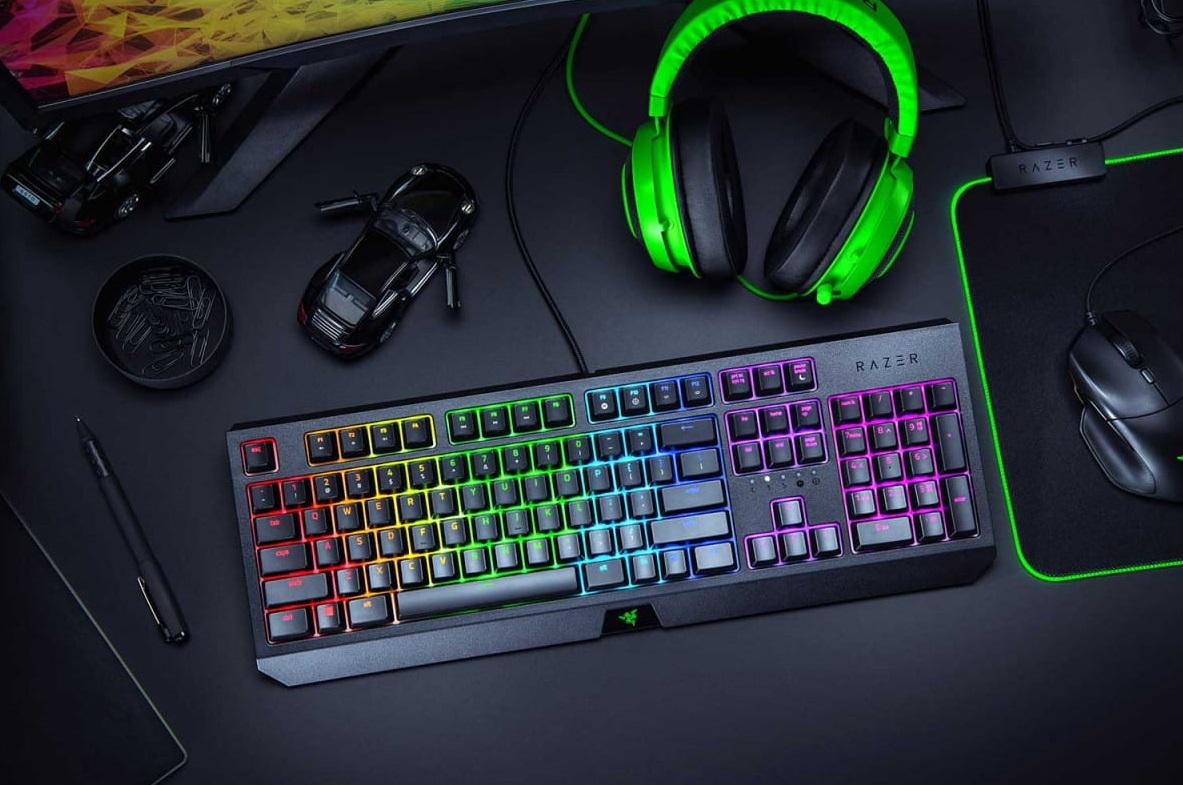
Gaming accessories have transcended from mere add-ons to essential tools that elevate the gaming experience, catering to the growing community of casual players, esports professionals, and streaming influencers. As digital gaming continues its rapid expansion worldwide, the ecosystem of high-performance peripherals—from controllers and headsets to keyboards, mice, and immersive VR gear—is innovating at breakneck speed. The year 2025 unfolds new chapters in wireless technology, AI integration, and sustainability, dramatically reshaping how players engage with games and communities globally.
According to Straits Research, “The global gaming accessories market size was valued at USD 10.6 billion in 2024 and is estimated to grow from USD 11.88 billion in 2025 to reach USD 29.67 billion by 2033, growing at a CAGR of 12.12% during the forecast period (2025-2033).” This robust growth reflects surging demand fueled by expanding gaming audiences, technological advancements, and the rise of competitive and social gaming globally.
Trends Shaping Gaming Accessories in 2025
-
Wireless Supremacy: Wireless peripherals dominate demand with advances in Bluetooth 5.3, Wi-Fi 6E, and proprietary low-latency technologies. Gamers seek freedom of movement without latency or connection drops, driving innovation in wireless mice, keyboards, and headsets with long battery life and fast recharge capabilities.
-
Esports-Focused Features: The esports boom triggers demand for ultra-precise gaming mice with adjustable optical sensors (up to 20,000 DPI), mechanical keyboards with low actuation switches, and highly customizable controllers, often featuring programmable back paddles and macro keys favoring competitive play.
-
Immersive Audio Experiences: Growth in gaming headsets is propelled by spatial audio, noise cancellation, and multi-platform compatibility. Wireless gaming headsets with extended battery life and haptic feedback keep players connected during marathon sessions and improve communication in team-based games.
-
VR and AR Ecosystems: Virtual and augmented reality devices expand the definition of gaming accessories. Headsets with enhanced motion tracking, ergonomic design, and tetherless operation are enabling more immersive gameplay experiences. Specialized controllers that mimic real-world objects enrich interaction diversity.
-
Customizability and Aesthetics: Modular designs, RGB lighting, interchangeable keycaps, and personalized device skins allow gamers to curate gear that reflects individual style, fueling brand loyalty and premium pricing.
-
Sustainability and Eco-Friendly Materials: Emerging startups and established brands alike promote gaming gear made from recycled plastics and sustainable materials. Packaging also trends greener as companies respond to consumer environmental awareness.
Major Global Players and Regional Highlights
-
Logitech (Switzerland): Innovating in wireless gaming keyboards, mice, and headsets. Their Lightspeed wireless tech, coupled with mechanical switches and Ultra-Wideband connectivity, positions the brand as a key esports and casual gaming accessory leader.
-
Razer Inc. (Singapore/USA): A trendsetter with high-performance gaming peripherals featuring customizable layouts, AI-enhanced audio, and premium materials. Focuses heavily on gamer community engagement and streamer collaborations.
-
Corsair Memory Inc. (USA): Offers comprehensive gaming accessory bundles integrating high-DPI mice, macro-play keyboards, and premium headsets. Corsair’s iCUE ecosystem enables unified lighting and performance customization.
-
SteelSeries (Denmark): Renowned for competitive gaming peripherals, their products prioritize performance with adjustable switches, mechanical keyboards, and high-fidelity sound solutions.
-
Sony Corporation (Japan): A leader in console gaming accessories including the PlayStation DualSense controller and 3D audio headsets, enhancing immersive console gameplay experiences.
-
Anker Innovations (China): Expanding into gaming peripherals via its sub-brands offering affordable, eco-friendly wireless accessories competing aggressively on price and quality for emerging market gamers.
Regional Dynamics
-
Asia-Pacific: Largest regional share driven by high smartphone penetration, mobile gaming growth, esports tournaments, and infrastructure investment. China, Japan, India, and South Korea dominate with established manufacturing and vibrant gaming cultures.
-
North America: Strong presence of professional gamers, streamers, and tech-savvy consumers fosters innovation demand. Collaboration between tech startups and established brands accelerates product launches and diversification.
-
Europe: Focus on premium peripherals with advanced features, sustained interest in competitive gaming and live streaming contribute to steady growth.
Recent News and Product Launches
-
August 2025: Logitech released the Pro X Superlight 2 mouse, featuring AI-based motion prediction and enhanced battery life, aimed at eliminating mid-game lag in esports tournaments.
-
July 2025: Razer launched its Kraken V4 headset with AI-powered spatial audio and noise control optimized for multiplayer games, spinning a new trend in virtual in-game communication.
-
June 2025: Corsair expanded its K100 RGB series with mechanical switches offering up to 150 million keystrokes and per-key haptic feedback integrated with iCUE software.
-
Early 2025: Anker Innovations announced the release of eco-friendly wireless gaming earbuds made from recycled materials, targeting budget-conscious mobile gamers in Southeast Asia.
Challenges and Growth Opportunities
-
Price Sensitivity: While high-end accessories attract enthusiasts, balancing price and innovation is vital for mass-market penetration, especially in emerging economies.
-
Supply Chain Resilience: COVID-19 disruptions highlighted the need for robust supply chains focused on agility and regional diversification in production.
-
Technological Innovation Pace: Rapid evolution in gaming technologies requires continuous R&D investment and close collaboration with game developers to stay relevant.
-
Expanding Cloud Gaming: Growth of cloud and streaming-based gaming increases demand for versatile, low-latency wireless accessories compatible with multiple platforms.
Summary
Gaming accessories play a pivotal role in defining the next-level gaming experience through innovation in wireless technology, esports specialization, immersive audio, and sustainability. Driven by a booming gaming community and advancing technology, the industry continues robust growth and dynamic shifts across global regions. The evolution of gaming peripherals promises richer, more personalized, and eco-conscious gameplay for professionals and casual enthusiasts alike.

 English
 Arabic
 French
 Spanish
 Deutsch
 Turkish
 Dutch
Dutch
 Italiano
 Russian
 Romaian
 Portuguese (Brazil)
 Greek
Greek
Warning: Undefined array key "_is_photo" in /home/senmarri/public_html/friend24.in/content/themes/default/templates_compiled/9ea4999d05077b6b690d81624544cd64a51b1299_0.file.__feeds_post.comments.tpl.php on line 27
Warning: Attempt to read property "value" on null in /home/senmarri/public_html/friend24.in/content/themes/default/templates_compiled/9ea4999d05077b6b690d81624544cd64a51b1299_0.file.__feeds_post.comments.tpl.php on line 27
" style="background-image:url(
Warning: Undefined array key "user_picture" in /home/senmarri/public_html/friend24.in/content/themes/default/templates_compiled/19bd7b5d2fc32801d9316dbc2d8c5b25c99e72c3_0.file.__feeds_comment.form.tpl.php on line 31
);">
/home/senmarri/public_html/friend24.in/content/themes/default/templates_compiled/9ea4999d05077b6b690d81624544cd64a51b1299_0.file.__feeds_post.comments.tpl.php on line 128
Warning: Attempt to read property "value" on null in /home/senmarri/public_html/friend24.in/content/themes/default/templates_compiled/9ea4999d05077b6b690d81624544cd64a51b1299_0.file.__feeds_post.comments.tpl.php on line 128
">