
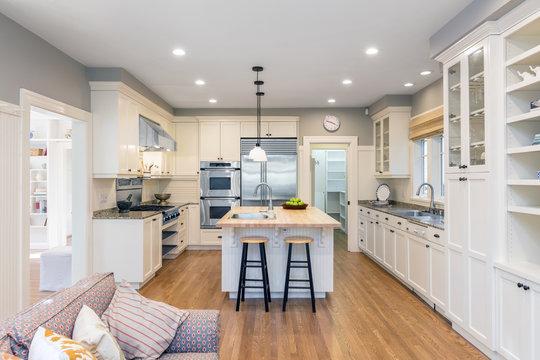
Planning a kitchen renovation can feel like a daunting task with so many elements to consider, from cabinet refacing to countertop replacement and backsplash installation. The key to a successful kitchen remodel lies in knowing where to start. Whether you're looking to update your kitchen with smart kitchen upgrades or rework the kitchen flow planning, the order in which you tackle each aspect of the renovation plays a huge role in the overall outcome. In this guide, we’ll walk you through the essential kitchen remodeling steps and explain where to begin your renovation journey.
Step-by-Step Guide to Kitchen Renovation
Starting a kitchen renovation requires careful planning, from understanding your renovation budget to executing your design ideas. Below are the fundamental kitchen remodeling steps to follow for a smooth and successful remodel.
1. Design Your Kitchen
Before tearing down walls or ripping out cabinets, the very first step is to design your kitchen. Think about how you want your kitchen to look, feel, and function. Consider these factors:
- Layout: Decide on the flow of the kitchen, ensuring that it's both functional and aesthetically pleasing. The kitchen flow planning includes the relationship between the sink, stove, and refrigerator to create an efficient work triangle.
- Style and Functionality: Choose the overall style you want, such as modern, rustic, or contemporary, and determine what functional features you need, like extra storage, a kitchen island, or built-in appliances.
- Smart Kitchen Upgrades: Think about incorporating smart kitchen upgrades like voice-activated lighting, Wi-Fi-enabled appliances, or smart thermostats for added convenience.
Working with a designer can help you create a kitchen that suits your needs while keeping your vision intact.
2. Set a Renovation Budget
Your renovation budget is one of the most crucial aspects of any kitchen remodel. Once you have your design in mind, allocate funds for each aspect of the renovation:
- Cabinet refacing or replacement: Cabinetry often makes up a significant portion of the remodel cost. You can either refinish or reface your existing cabinets for a cost-effective update or replace them for a fresh look.
- Countertop replacement: Materials like granite, quartz, or marble are popular but can vary greatly in price. Be sure to choose a material that fits both your style and budget.
- Plumbing and electrical work: If your kitchen redesign involves moving appliances or installing new fixtures, plumbing and electrical work will be necessary and should be factored into the budget.
Having a clear budget in place helps prevent overspending and ensures that you have enough funds for all necessary updates.
3. Plumbing and Electrical Work
Plumbing work and electrical layout changes often come early in the renovation process. If you plan to move your sink, dishwasher, stove, or any other major appliance, you’ll need to make sure that the plumbing and electrical systems are adjusted to accommodate the new layout. Here's what to consider:
- Plumbing work: Install new pipes or reroute existing plumbing if you’re changing the layout of the sink or adding a kitchen island with a sink.
- Electrical layout: Adjust lighting, outlets, and appliance placements. If you’re adding a new refrigerator, double oven, or countertop outlets, your electrical system will need to be upgraded accordingly.
It’s essential to hire licensed professionals for these tasks to ensure safety and compliance with local codes.
4. Cabinet Refacing or Replacement
Once the plumbing work and electrical layout are complete, you can move on to one of the most impactful parts of a kitchen remodel—cabinet refacing or replacement. Depending on your budget, you can choose to:
- Cabinet refacing: This involves replacing just the doors and drawers, which is a more budget-friendly way to give your kitchen a fresh look without replacing the entire cabinet structure.
- Full cabinet replacement: If you want a complete redesign, replacing the cabinets entirely allows you to choose a new style, color, and layout that better fits your kitchen’s needs.
New cabinets can significantly transform the appearance of your kitchen, so it’s essential to choose a style that matches your overall vision.
5. Countertop Replacement
With the cabinets installed, it’s time to focus on the countertop replacement. The countertop is a central feature of any kitchen, both in terms of function and aesthetics. Consider materials like:
- Granite: Durable and classic, but can be expensive.
- Quartz: Low-maintenance and available in many styles.
- Marble: Elegant but requires more maintenance.
Ensure the countertop complements your cabinetry and enhances the overall kitchen design.
Additional Steps to Complete Your Kitchen Renovation
6. Backsplash Installation
After the countertops are in place, the backsplash installation comes next. Backsplashes not only protect your walls from spills but also add a stylish touch to your kitchen. You can choose from a variety of materials, including:
- Ceramic or porcelain tiles: A popular, affordable option available in many colors and patterns.
- Glass tiles: Modern and easy to clean.
- Stone: Adds a luxurious feel to the kitchen.
Install the backsplash once the countertops are in place to avoid any issues with alignment or damage to the materials.
7. Lighting Upgrade
Upgrading the lighting is one of the final touches in your kitchen remodel. Proper lighting is essential for both functionality and ambiance. Some options include:
- Under-cabinet lighting: Great for illuminating countertops and providing a modern touch.
- Pendant lights: Stylish and perfect for hanging above an island or dining area.
- Task lighting: Ensure the workspace, such as above the sink or stovetop, is well-lit for meal prep.
Lighting upgrades can completely change the feel of your kitchen, so make sure to choose the right options that complement your design.
Conclusion
Starting a kitchen renovation requires careful planning and the right sequence of kitchen remodeling steps. Begin by designing your kitchen and setting a realistic renovation budget. Then, focus on important structural elements such as plumbing work and electrical layout before moving on to aesthetic upgrades like cabinet refacing, countertop replacement, and backsplash installation. Each step builds on the last to create a functional, beautiful kitchen. By following this guide, you’ll ensure that your kitchen remodel goes smoothly, and you’ll be enjoying your upgraded space in no time!

 English
 Arabic
 French
 Spanish
 Portuguese
 Deutsch
 Turkish
 Dutch
Dutch
 Italiano
 Russian
 Romaian
 Greek
Greek
Warning: Undefined array key "_is_photo" in /home/senmarri/public_html/friend24.in/content/themes/default/templates_compiled/9ea4999d05077b6b690d81624544cd64a51b1299_0.file.__feeds_post.comments.tpl.php on line 27
Warning: Attempt to read property "value" on null in /home/senmarri/public_html/friend24.in/content/themes/default/templates_compiled/9ea4999d05077b6b690d81624544cd64a51b1299_0.file.__feeds_post.comments.tpl.php on line 27
" style="background-image:url(
Warning: Undefined array key "user_picture" in /home/senmarri/public_html/friend24.in/content/themes/default/templates_compiled/19bd7b5d2fc32801d9316dbc2d8c5b25c99e72c3_0.file.__feeds_comment.form.tpl.php on line 31
);">
/home/senmarri/public_html/friend24.in/content/themes/default/templates_compiled/9ea4999d05077b6b690d81624544cd64a51b1299_0.file.__feeds_post.comments.tpl.php on line 128
Warning: Attempt to read property "value" on null in /home/senmarri/public_html/friend24.in/content/themes/default/templates_compiled/9ea4999d05077b6b690d81624544cd64a51b1299_0.file.__feeds_post.comments.tpl.php on line 128
">