
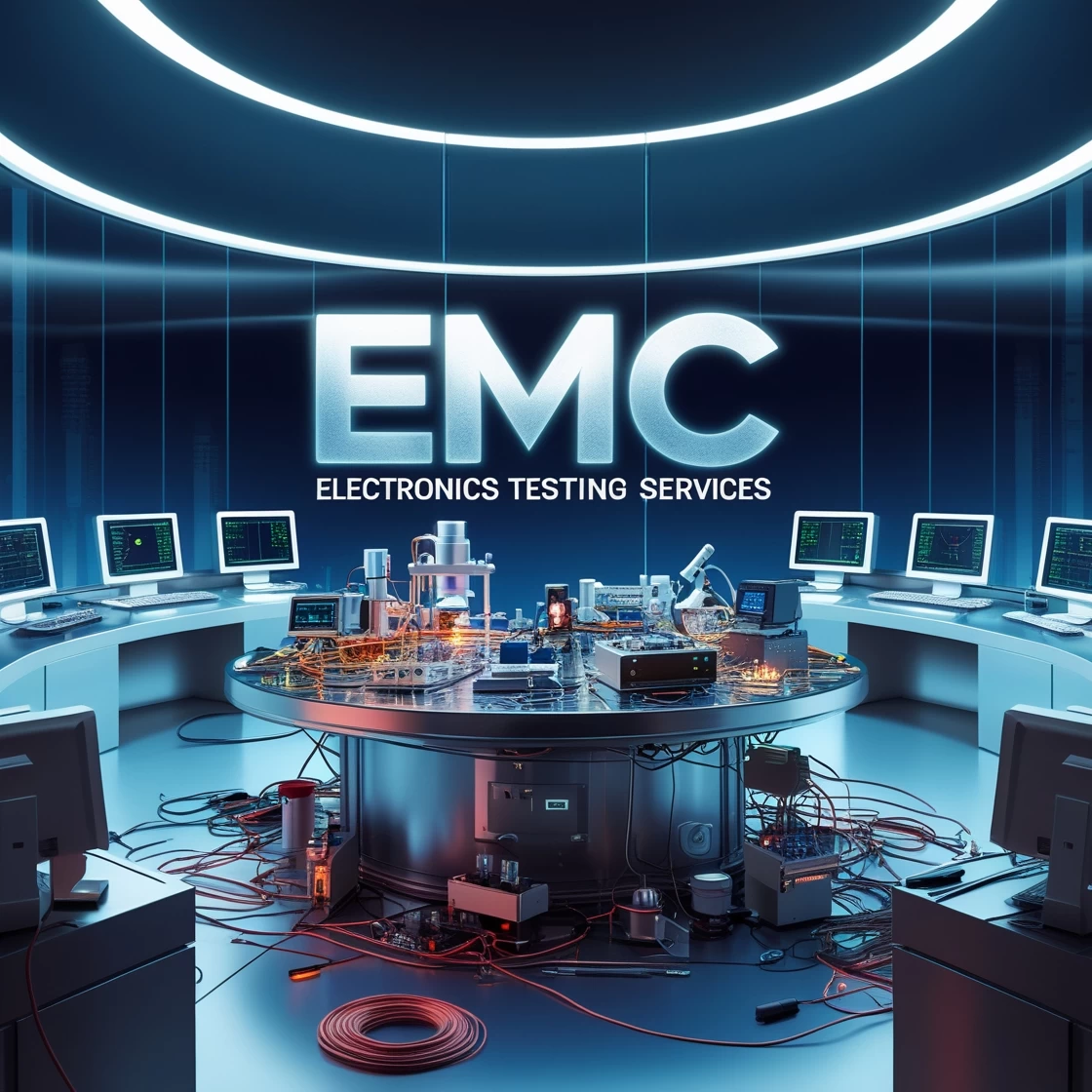
In today’s rapidly evolving technology landscape, Electronics Compliance Testing plays a critical role in bringing safe, high-quality, and globally accepted electronic products to market. It is a structured process where electronic devices are evaluated against specific regulatory, safety, and electromagnetic standards to ensure they function properly without causing or being affected by interference or posing hazards to users.
What is Electronics Compliance Testing?
Electronics Compliance Testing refers to a series of technical evaluations conducted on electronic and electrical products to ensure they meet the regulatory standards and certifications required by governmental or industry bodies. These standards cover a wide range of factors including electrical safety, electromagnetic compatibility (EMC), environmental impact, and radio frequency compliance.
Why is Electronics Compliance Testing Important?
-
Safety Assurance
Testing ensures that the electronic product is safe for use under normal and fault conditions, preventing fire, electric shock, and other hazards. -
Legal & Regulatory Compliance
Governments worldwide enforce standards (e.g., CE in Europe, FCC in the USA, BIS in India) that manufacturers must comply with before products can be sold in those regions. -
Market Access
Compliance testing allows access to international markets. Without certification, products may be barred from entry or removed from shelves. -
Performance Validation
It verifies that products function correctly in real-world environments and do not interfere with or fall victim to other devices. -
Brand Reputation
Certified products reflect a commitment to quality and safety, boosting consumer confidence and brand value.
Key Areas of Electronics Compliance Testing
1. EMC Testing (Electromagnetic Compatibility)
Ensures the device doesn’t emit excessive electromagnetic interference (EMI) and can operate properly in an environment with EMI.
-
Radiated Emissions
-
Conducted Emissions
-
Immunity Tests (e.g., ESD, EFT, Surge)
2. Electrical Safety Testing
Focuses on protecting users from electrical hazards through:
-
Dielectric Withstand (HiPot) Testing
-
Leakage Current Testing
-
Ground Continuity Testing
3. Environmental Testing
Determines if a device can withstand conditions like:
-
Temperature Extremes
-
Humidity
-
Vibration and Shock
-
Ingress Protection (IP Ratings)
4. RF and Wireless Compliance
For products with wireless functions (Wi-Fi, Bluetooth, 5G):
-
Frequency Band Compliance
-
Power Output Limits
-
Spurious Emissions
5. RoHS & REACH Testing
Confirms the product is free from harmful substances as per environmental directives.
Global Standards & Certifications
Here are some commonly required certifications based on geographic region:
-
CE Marking (Europe)
Indicates conformity with health, safety, and environmental protection standards. -
FCC Certification (USA)
Required for electronic products that emit RF energy. -
UL Certification (North America)
Ensures product safety through Underwriters Laboratories testing. -
CSA (Canada)
Similar to UL but recognized in Canada. -
BIS (India)
Mandatory for many electronics categories under Indian safety regulations. -
CCC (China)
China Compulsory Certification for product quality and safety.
The Compliance Testing Process
-
Product Evaluation
Review of technical documentation and product specifications. -
Testing in Accredited Labs
Conduct standardized tests under controlled conditions. -
Result Documentation
Detailed reports with data and pass/fail results. -
Certification Issuance
If the product meets the requirements, a certificate or declaration of conformity is issued. -
Labeling and Marking
Products are labeled with compliance marks (e.g., CE, FCC).
Choosing a Compliance Testing Partner
When selecting a compliance testing lab, consider:
-
Accreditations (ISO/IEC 17025)
-
Experience in your product category
-
Global recognition of certifications
-
Speed of testing and reporting
-
Support with documentation and regulatory advice
Final Thoughts
Electronics Compliance Testing is not just a legal formality—it's a vital step in product development that ensures user safety, device performance, and smooth global distribution. In an increasingly regulated world, aligning with the right testing standards early in the product design cycle saves time, reduces cost, and helps avoid costly recalls or market access delays.
Whether you’re a startup developing consumer gadgets or an enterprise manufacturing industrial electronics, investing in professional compliance testing is a key driver of trust, quality, and business success.

 English
 French
 Spanish
 Portuguese
 Deutsch
 Turkish
 Dutch
Dutch
 Italiano
 Russian
 Romaian
 Portuguese (Brazil)
 Greek
Greek
Warning: Undefined array key "_is_photo" in /home/senmarri/public_html/friend24.in/content/themes/default/templates_compiled/9ea4999d05077b6b690d81624544cd64a51b1299_0.file.__feeds_post.comments.tpl.php on line 27
Warning: Attempt to read property "value" on null in /home/senmarri/public_html/friend24.in/content/themes/default/templates_compiled/9ea4999d05077b6b690d81624544cd64a51b1299_0.file.__feeds_post.comments.tpl.php on line 27
" style="background-image:url(
Warning: Undefined array key "user_picture" in /home/senmarri/public_html/friend24.in/content/themes/default/templates_compiled/19bd7b5d2fc32801d9316dbc2d8c5b25c99e72c3_0.file.__feeds_comment.form.tpl.php on line 31
);">
/home/senmarri/public_html/friend24.in/content/themes/default/templates_compiled/9ea4999d05077b6b690d81624544cd64a51b1299_0.file.__feeds_post.comments.tpl.php on line 128
Warning: Attempt to read property "value" on null in /home/senmarri/public_html/friend24.in/content/themes/default/templates_compiled/9ea4999d05077b6b690d81624544cd64a51b1299_0.file.__feeds_post.comments.tpl.php on line 128
">