
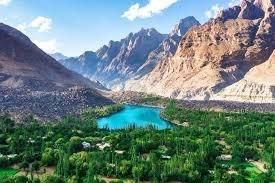
In a world where popular destinations are increasingly crowded, there is something deeply refreshing about discovering quiet lakes hidden far from tourist rush. In northern Pakistan, beyond famous viewpoints and busy lakesides, lie serene water bodies surrounded by mountains, meadows, and silence. These calm and peaceful lakes offer more than scenic beauty—they provide space to breathe, reflect, and reconnect with nature.
Far from noise, traffic, and commercial activity, these lakes remain untouched by mass tourism. Reaching them often requires patience, effort, and a willingness to travel slowly, but the reward is an experience defined by stillness, purity, and timeless beauty.
Why Quiet Lakes Hold a Special Appeal
Calm lakes away from crowds offer an experience that busy destinations simply cannot. Their appeal lies in:
-
Complete silence, broken only by wind or flowing water
-
Unspoiled surroundings without hotels, boats, or vendors
-
Stronger connection with nature, free from distractions
-
A sense of personal discovery, as if the place exists just for you
These lakes are ideal for travelers who value peace over popularity and depth over checklists.
High-Altitude Lakes Hidden from Main Routes
Many peaceful lakes in northern Pakistan are located at high altitudes, far from main roads and towns. Surrounded by peaks and alpine terrain, they remain inaccessible to casual tourism.
What Makes Them Calm:
-
Limited access requiring trekking or rough roads
-
Short seasonal windows when they are ice-free
-
No commercial development
Standing beside such a lake, with mountains reflected on still water, creates a feeling of complete isolation and calm.
Alpine Meadow Lakes with Open Horizons
Some of the most tranquil lakes lie within wide alpine meadows, where the land opens up and the sky feels endless. These lakes are often shallow, clear, and surrounded by grasslands rather than cliffs.
Why They Feel Peaceful:
-
Open space allows sound to fade quickly
-
Meadows soften the landscape visually
-
Grazing animals move slowly and quietly
These lakes are perfect for slow walks, quiet picnics, or simply sitting in silence.
Remote Forest Lakes
In certain northern regions, lakes are hidden within dense alpine forests, where tall trees muffle sound and create natural privacy. These forest lakes feel intimate and sheltered.
Unique Atmosphere:
-
Filtered sunlight through pine or cedar trees
-
Cool, shaded surroundings even in summer
-
Rich birdlife and subtle forest sounds
Forest lakes offer a different kind of calm—one that feels enclosed, protective, and deeply soothing.
Lesser-Known Glacial Lakes
Not all glacial lakes are famous. Many small glacial basins hold unnamed or rarely visited lakes, fed by melting ice and snowfields.
Characteristics:
-
Clear, icy water with minimal movement
-
Stark, dramatic surroundings
-
No trails or signs leading to them
These lakes appeal to experienced hikers and explorers who prefer absolute solitude over convenience.
Seasonal Silence and Changing Moods
Calm lakes change their character with the seasons:
-
Early Summer: Snowmelt fills lakes, surroundings are quiet and fresh
-
Mid-Summer: Meadows bloom, but crowds remain absent due to remoteness
-
Autumn: Golden tones, crisp air, and near-total silence
-
Winter: Lakes freeze, becoming inaccessible but visually stunning
Autumn is often the most peaceful time, as even limited summer visitors disappear.
Activities That Match the Calm
Peaceful lakes invite low-impact, mindful activities rather than adventure or noise:
-
Sitting quietly and observing reflections
-
Photography during early morning or sunset
-
Journaling, sketching, or reading
-
Gentle walking around the shoreline
-
Stargazing at night due to zero light pollution
These activities enhance the sense of calm instead of disturbing it.
Emotional and Mental Benefits of Quiet Lakes
Spending time near calm lakes has noticeable effects on well-being:
-
Reduced stress and mental fatigue
-
Improved focus and clarity
-
A sense of emotional balance
-
Deeper appreciation for simple moments
Without distractions, the mind naturally slows down, allowing travelers to experience the present fully.
Cultural Respect in Remote Lake Areas
Many peaceful lakes exist near grazing lands or seasonal settlements. Local communities treat these places with respect, using them carefully and sustainably.
Travelers should:
-
Avoid disturbing livestock
-
Respect local traditions and land use
-
Keep distance from water sources used by locals
-
Leave no waste behind
Cultural respect ensures these places remain peaceful for everyone.
Why These Lakes Remain Crowd-Free
Several factors keep these lakes quiet:
-
Difficult access and lack of roads
-
No marketing or social media exposure
-
Absence of facilities and accommodations
-
Short visiting seasons due to weather
While this limits comfort, it preserves authentic tranquility.
Responsible Travel Is Essential
Calm lakes are fragile environments. To protect them:
-
Avoid loud music or group activities
-
Do not camp directly beside the water
-
Use reusable containers and avoid plastic
-
Leave no trace of your visit
Preservation is the responsibility of every traveler who seeks peace in nature.
Why Quiet Lakes Leave the Deepest Memories
Unlike busy destinations, peaceful lakes leave memories that feel personal and lasting. The silence, reflections, and sense of isolation create moments that stay with travelers long after they return.
These lakes are not about photographs or social sharing. They are about feeling small in the best possible way, surrounded by mountains and still water.
Final Thoughts
Calm and peaceful lakes away from crowds represent the quiet soul of northern Pakistan’s landscapes. Hidden among mountains, meadows, and forests, these lakes offer refuge from noise, speed, and modern distractions.
For travelers who seek stillness, clarity, and meaningful connection with nature, these lakes provide experiences that cannot be replicated elsewhere. They remind us that beauty does not need attention to exist—and that sometimes, the most powerful journeys are the quiet ones.

 Arabic
 French
 Spanish
 Portuguese
 Deutsch
 Turkish
 Dutch
Dutch
 Italiano
 Russian
 Romaian
 Portuguese (Brazil)
 Greek
Greek
Warning: Undefined array key "_is_photo" in /home/senmarri/public_html/friend24.in/content/themes/default/templates_compiled/9ea4999d05077b6b690d81624544cd64a51b1299_0.file.__feeds_post.comments.tpl.php on line 27
Warning: Attempt to read property "value" on null in /home/senmarri/public_html/friend24.in/content/themes/default/templates_compiled/9ea4999d05077b6b690d81624544cd64a51b1299_0.file.__feeds_post.comments.tpl.php on line 27
" style="background-image:url(
Warning: Undefined array key "user_picture" in /home/senmarri/public_html/friend24.in/content/themes/default/templates_compiled/19bd7b5d2fc32801d9316dbc2d8c5b25c99e72c3_0.file.__feeds_comment.form.tpl.php on line 31
);">
/home/senmarri/public_html/friend24.in/content/themes/default/templates_compiled/9ea4999d05077b6b690d81624544cd64a51b1299_0.file.__feeds_post.comments.tpl.php on line 128
Warning: Attempt to read property "value" on null in /home/senmarri/public_html/friend24.in/content/themes/default/templates_compiled/9ea4999d05077b6b690d81624544cd64a51b1299_0.file.__feeds_post.comments.tpl.php on line 128
">