
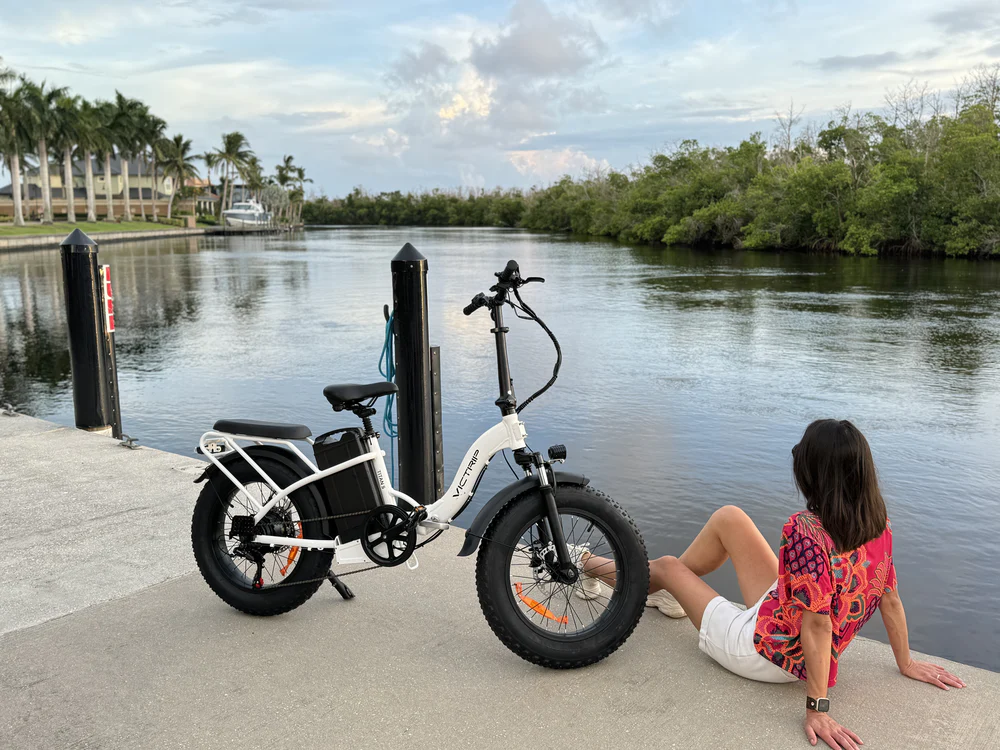
The Rise of Electric Bikes in Modern Cities
Urbanization and Micro-Mobility Trends
Cities are growing faster than ever. With population density increasing, urban transportation systems are under pressure. Roads are congested, parking is scarce, and public transit often feels overcrowded. That’s where electric bikes come in. They’re compact, efficient, and designed for short-to-medium urban trips.
Electric bikes fit perfectly into the global shift toward micro-mobility. City dwellers want faster, cleaner, and more flexible ways to move. Traditional bicycles helped, but eBikes took things to another level by removing physical barriers like hills, distance, and fatigue.
Why Cities Are Embracing eBikes
Municipal governments worldwide are actively supporting eBike adoption. Dedicated bike lanes, subsidies, and shared eBike programs are popping up everywhere. According to transport authorities and urban planning studies, eBikes reduce traffic congestion and emissions while improving commute reliability.
You can explore general safety and regulation guidelines from the U.S. Department of Transportation for added credibility and compliance insights.
What Makes Electric Bikes Ideal for City Living
Compact Design and Urban Maneuverability
One key reason electric bikes are perfect for city living is their size. Unlike cars, eBikes glide through narrow streets, alleyways, and bike lanes with ease. Parking becomes effortless—no hunting for spots or paying fees.
Electric Assist for Stop-and-Go Traffic
Urban riding involves frequent stops: traffic lights, crosswalks, intersections. Electric assist helps riders accelerate smoothly without strain.
Pedal Assist vs Throttle in Cities
-
Pedal Assist: Natural feel, efficient, and ideal for long commutes
-
Throttle: Quick starts at intersections, useful in dense traffic
Both systems enhance city riding, but pedal assist remains the most common for urban lifestyles.
Time Efficiency: Beating Urban Traffic
Commute Time Comparison Table
| Transport Mode | Average Urban Commute (5 miles) |
|---|---|
| Car | 25–40 minutes |
| Bus/Subway | 30–50 minutes |
| Traditional Bike | 25–30 minutes |
| Electric Bike | 15–20 minutes |
Consistency Over Cars and Public Transport
Cars are unpredictable in cities. Traffic jams and parking delays eat up time. Public transport depends on schedules. Electric bikes deliver consistency. You leave when you want and arrive on time—simple as that.
Cost Savings of Electric Bikes in City Life
Daily Commuting Cost Breakdown
Electric bikes cost pennies per charge. Compare that with fuel, insurance, parking, and maintenance for cars. Even public transit adds up over time.
Long-Term Financial Advantages
Over five years, an eBike can save thousands of dollars. Minimal maintenance, no registration fees in many areas, and affordable charging make eBikes a financially sound urban investment.
Environmental Benefits for Urban Areas
Reducing Carbon Footprint
Electric bikes emit zero tailpipe emissions. When cities adopt eBikes at scale, air quality improves noticeably. Cleaner air means healthier residents and fewer pollution-related illnesses.
Noise Pollution Reduction
Cities are loud. Electric bikes are whisper-quiet, helping reduce overall noise levels. This creates calmer streets and better quality of life.
Health and Wellness Benefits of City eBiking
Low-Impact Fitness for Daily Life
Commuter Electric bikes encourage daily movement without overexertion. Riders stay active while avoiding joint strain. It’s fitness built into your routine.
Mental Health and Stress Reduction
Skipping traffic stress changes everything. Fresh air, movement, and autonomy reduce anxiety. Riders often report better moods and higher energy levels throughout the day.
Safety and Infrastructure in Cities
Bike Lanes and Smart City Planning
Cities are investing heavily in bike infrastructure. Protected lanes, traffic-calmed streets, and smart signals make riding safer than ever.
Visibility, Braking, and Urban Safety Tech
Modern electric bikes include:
-
Integrated LED lights
-
Hydraulic disc brakes
-
Reflective tires
-
Smart displays
These features are crucial for safe city riding.
Weather, Terrain, and Year-Round Usability
Hills, Wind, and Long Distances
Electric motors flatten hills and fight headwinds. What used to be exhausting now feels effortless.
Riding Comfort in All Seasons
With proper tires and accessories, eBikes handle rain, cold, and heat well. City riders enjoy year-round reliability.
Electric Bikes vs Other Urban Transport Options
eBike vs Car
-
Faster in traffic
-
Cheaper long-term
-
Easier parking
eBike vs Public Transit
-
No schedules
-
No crowding
-
Door-to-door convenience
eBike vs Electric Scooter
-
Greater range
-
Better stability
-
More comfort for daily commuting
Choosing the Right Electric Bike for City Living
Step-Through vs Step-Over Frames
Step-through frames are ideal for stop-and-go city riding, offering easy mounting and comfort in everyday clothing.
Battery Range and Motor Power
For city living, a balance of range and efficiency matters more than raw speed.
City-Focused Product Recommendations
-
VICTRIP Mimas Step-Through eBike – Designed for effortless urban commuting with a comfortable frame and city-friendly geometry:
https://victripebike.com/products/mimas-step-through-ebike -
VICTRIP Titan S Long-Range Electric Bike – Perfect for longer city commutes and riders who want extended range without compromise:
https://victripebike.com/products/titan-s-long-range-electric-bike
Both options align perfectly with urban mobility needs, offering reliability, comfort, and performance.
Frequently Asked Questions (FAQs)
1. Why are electric bikes perfect for city living?
Electric bikes are perfect for city living because they reduce commute time, lower costs, avoid traffic, and provide eco-friendly transportation.
2. Are electric bikes safe for urban commuting?
Yes. With proper bike lanes, safety features, and responsible riding, eBikes are very safe in cities.
3. How far can an electric bike go on one charge?
Most city eBikes offer 30–70 miles per charge, depending on usage and terrain.
4. Do electric bikes require a license?
In most U.S. cities, Class 1 and Class 2 eBikes don’t require a license. Always check local regulations.
5. Are electric bikes expensive to maintain?
No. Maintenance costs are low compared to cars and even public transit passes over time.
6. Can electric bikes replace cars in cities?
For many urban residents, yes. Electric bikes handle daily commuting, errands, and short trips efficiently.
Conclusion: The Smart Choice for Urban Living
There’s no doubt about it—electric bikes are perfect for city living in 2026 and beyond. They’re efficient, affordable, sustainable, and enjoyable. As cities evolve, electric bikes stand out as the most practical transportation solution for modern urban lifestyles. Choosing an eBike isn’t just smart—it’s future-proof.

 English
 Arabic
 French
 Portuguese
 Deutsch
 Turkish
 Dutch
Dutch
 Italiano
 Russian
 Romaian
 Portuguese (Brazil)
 Greek
Greek
Warning: Undefined array key "_is_photo" in /home/senmarri/public_html/friend24.in/content/themes/default/templates_compiled/9ea4999d05077b6b690d81624544cd64a51b1299_0.file.__feeds_post.comments.tpl.php on line 27
Warning: Attempt to read property "value" on null in /home/senmarri/public_html/friend24.in/content/themes/default/templates_compiled/9ea4999d05077b6b690d81624544cd64a51b1299_0.file.__feeds_post.comments.tpl.php on line 27
" style="background-image:url(
Warning: Undefined array key "user_picture" in /home/senmarri/public_html/friend24.in/content/themes/default/templates_compiled/19bd7b5d2fc32801d9316dbc2d8c5b25c99e72c3_0.file.__feeds_comment.form.tpl.php on line 31
);">
/home/senmarri/public_html/friend24.in/content/themes/default/templates_compiled/9ea4999d05077b6b690d81624544cd64a51b1299_0.file.__feeds_post.comments.tpl.php on line 128
Warning: Attempt to read property "value" on null in /home/senmarri/public_html/friend24.in/content/themes/default/templates_compiled/9ea4999d05077b6b690d81624544cd64a51b1299_0.file.__feeds_post.comments.tpl.php on line 128
">