
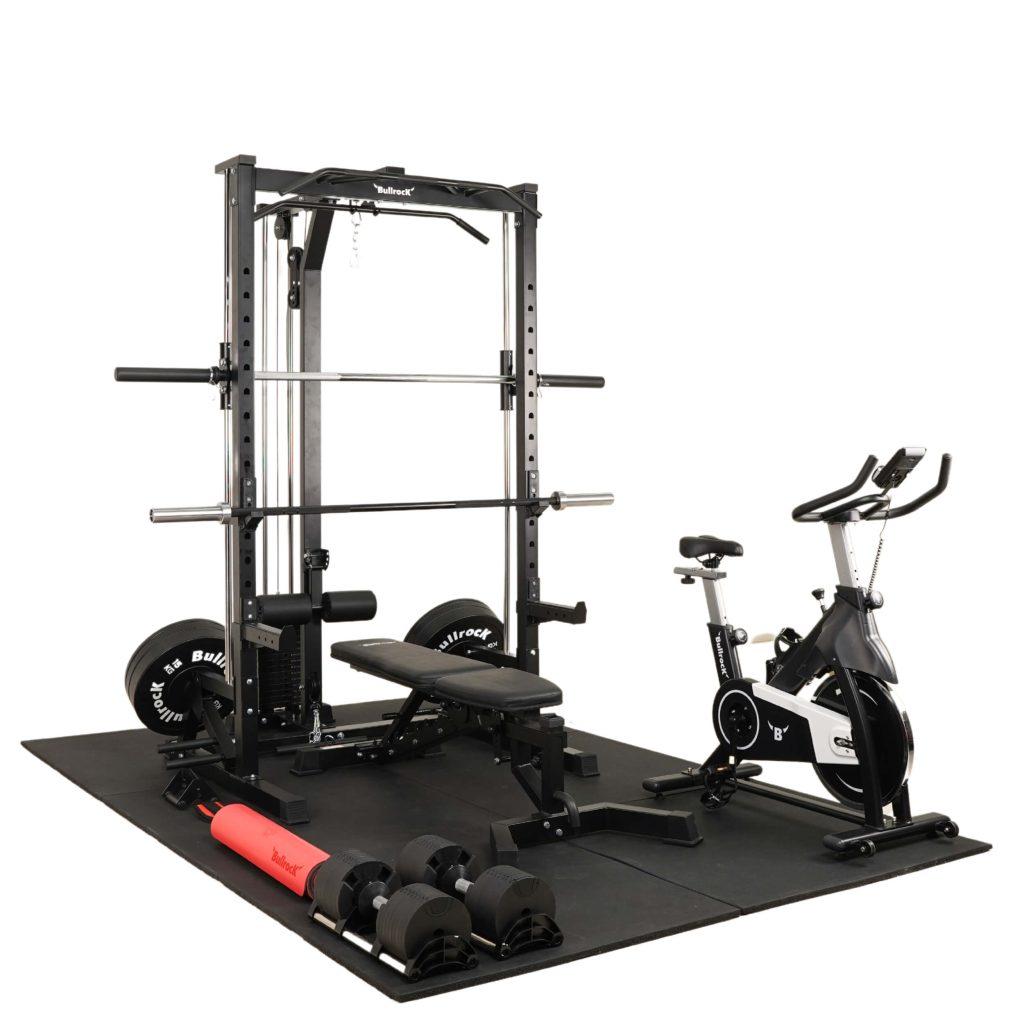
The fitness equipment market has experienced robust growth in recent years, driven by rising health consciousness, technological innovation, and the increasing popularity of home and commercial fitness solutions. However, despite strong demand, the market faces several growth challenges that can affect adoption, profitability, and long-term expansion. Understanding these obstacles is essential for manufacturers, investors, and stakeholders seeking to navigate the market successfully.
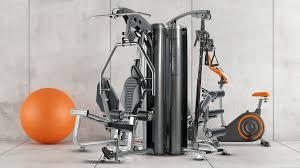
High Product Costs
One of the primary challenges to market growth is the high cost of fitness equipment. Premium devices such as smart treadmills, AI-integrated ellipticals, and interactive bikes are often expensive, making them less accessible to price-sensitive consumers. Even in commercial settings, purchasing large quantities of equipment represents a significant investment.
This cost barrier limits adoption, especially in emerging markets where disposable income may be lower. Companies need to explore flexible pricing models, financing options, and mid-tier product lines to make fitness solutions more accessible while maintaining profitability.
Limited Space and Urban Constraints
Urbanization has created a demand for compact living spaces, which can hinder the adoption of bulky fitness equipment. Consumers often struggle to accommodate traditional treadmills, weight stations, and multi-gym systems in apartments or smaller homes.
Even commercial gyms face challenges in optimizing limited floor space while offering diverse equipment options. The demand for foldable, multifunctional, and space-efficient products is rising, but designing such solutions without compromising functionality remains a challenge for manufacturers.
Technological Complexity
Modern fitness equipment increasingly incorporates smart technology, AI-driven workouts, and app connectivity. While these features enhance the user experience, they can also intimidate or frustrate less tech-savvy consumers.
Difficult setup processes, compatibility issues, or software glitches may reduce user adoption and satisfaction. Manufacturers must focus on intuitive design, seamless integration, and robust customer support to mitigate technological barriers.
Maintenance and Durability Concerns
As equipment becomes more advanced, maintenance challenges can grow. Frequent repairs, replacement of components, or improper use can lead to decreased lifespan and negative user experiences.
Commercial gyms, in particular, require durable, high-performance machines to handle heavy usage. Brands that fail to offer reliable after-sales service, warranties, and accessible replacement parts risk losing customer trust and impeding market growth.
Regulatory and Safety Challenges
Fitness equipment must comply with safety standards and regulations, which vary across regions. Ensuring compliance can be costly and complex, particularly for companies operating internationally.
Failure to meet regulatory requirements can result in recalls, fines, or reputational damage, which may restrict market growth. Manufacturers must maintain rigorous quality testing and stay informed about evolving standards to ensure safety and reliability.
Market Fragmentation and Competition
The fitness equipment market is highly fragmented, with numerous global and regional players competing for market share. This fragmentation creates intense competition, pricing pressures, and challenges in brand differentiation.
New entrants often struggle to establish visibility, while established companies face pressure to continuously innovate. Market saturation in mature regions can limit growth unless brands identify niche segments or diversify product offerings.
Consumer Behavior and Motivation
Consumer adoption and sustained use of fitness equipment depend on motivation and behavior. Even with available machines, many individuals struggle to maintain regular exercise routines due to lack of time, guidance, or interest.
The home fitness segment faces additional challenges; consumers may abandon equipment if workouts are repetitive, lack interactivity, or fail to show measurable results. Companies are addressing this challenge with gamified experiences, virtual coaching, and community engagement platforms to encourage consistent use.
Economic Factors
Economic conditions play a crucial role in market growth. During downturns, consumers may delay or forgo purchases of high-cost fitness equipment. Currency fluctuations, inflation, and regional economic instability also affect sales, particularly in emerging markets.
To mitigate these risks, companies need flexible pricing, financing plans, and tiered product lines to cater to both premium and budget-conscious consumers. Diversifying into multiple geographic markets can also reduce exposure to localized economic pressures.
Sustainability and Consumer Expectations
Increasingly, consumers expect sustainable and eco-friendly products. Traditional manufacturing processes, non-recyclable materials, and energy-inefficient machines are receiving scrutiny. Companies failing to adapt may face resistance from environmentally conscious buyers.
Sustainable design, energy-efficient systems, and responsible production practices are becoming essential for long-term growth. Brands that ignore these trends risk alienating a growing segment of the market.
Conclusion
While the fitness equipment market holds immense growth potential, several challenges can slow adoption and limit expansion. High costs, space constraints, technological complexity, maintenance needs, regulatory requirements, market fragmentation, consumer motivation, economic fluctuations, and sustainability concerns all pose significant obstacles.
Companies that address these challenges by offering affordable, space-efficient, durable, and technologically intuitive solutions can strengthen their market position. Embracing sustainability, digital integration, and personalized fitness experiences will further enhance adoption and loyalty.
By strategically navigating these growth challenges, brands can capitalize on the rising global demand for fitness equipment and ensure long-term success in a highly competitive and evolving market.

 English
 Arabic
 French
 Spanish
 Portuguese
 Deutsch
 Dutch
Dutch
 Italiano
 Russian
 Romaian
 Portuguese (Brazil)
 Greek
Greek
Warning: Undefined array key "_is_photo" in /home/senmarri/public_html/friend24.in/content/themes/default/templates_compiled/9ea4999d05077b6b690d81624544cd64a51b1299_0.file.__feeds_post.comments.tpl.php on line 27
Warning: Attempt to read property "value" on null in /home/senmarri/public_html/friend24.in/content/themes/default/templates_compiled/9ea4999d05077b6b690d81624544cd64a51b1299_0.file.__feeds_post.comments.tpl.php on line 27
" style="background-image:url(
Warning: Undefined array key "user_picture" in /home/senmarri/public_html/friend24.in/content/themes/default/templates_compiled/19bd7b5d2fc32801d9316dbc2d8c5b25c99e72c3_0.file.__feeds_comment.form.tpl.php on line 31
);">
/home/senmarri/public_html/friend24.in/content/themes/default/templates_compiled/9ea4999d05077b6b690d81624544cd64a51b1299_0.file.__feeds_post.comments.tpl.php on line 128
Warning: Attempt to read property "value" on null in /home/senmarri/public_html/friend24.in/content/themes/default/templates_compiled/9ea4999d05077b6b690d81624544cd64a51b1299_0.file.__feeds_post.comments.tpl.php on line 128
">