
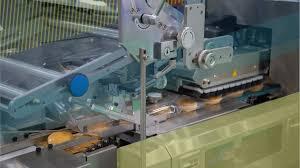
Liquid packaging has entered a period of rapid transformation. What was once driven mainly by cost efficiency and shelf stability is now shaped by sustainability expectations, operational precision, and changing consumer behavior. Brands, manufacturers, and suppliers across industries are reassessing how liquids are packaged, filled, and delivered to market.
In the United States, liquid packaging trends increasingly reflect a balance between environmental responsibility and scalable production. Regulatory pressure, retailer standards, and consumer awareness all influence how packaging decisions are made. For companies involved in Chemical Contract Manufacturing, these shifts affect not only packaging materials but also facility design, automation strategy, and long-term investment planning.
Growth of Eco-Friendly Packaging
Sustainability has moved from a marketing claim to a core operational requirement. One of the most significant liquid packaging trends in recent years is the push toward materials that reduce environmental impact without compromising product integrity. This shift is visible across food, beverage, personal care, and chemical sectors.
Alternative resins have gained traction as manufacturers search for substitutes to traditional virgin plastics. Bio-based resins and plant-derived polymers offer lower carbon footprints while maintaining compatibility with existing filling equipment. Adoption remains selective, but ongoing material innovation continues to improve durability and cost efficiency.
Post-consumer recycled plastics also play a growing role in sustainable liquid packaging strategies. Brands increasingly commit to minimum recycled content thresholds, driven by retailer mandates and consumer expectations. While recycled materials introduce challenges related to consistency and appearance, advances in processing technology have improved reliability.
-
Material innovation balancing performance and sustainability
Eco-friendly materials must protect liquid products from contamination, leakage, and degradation. Manufacturers now test alternative resins under real-world conditions to ensure they meet safety and performance standards. This careful evaluation helps sustainable liquid packaging move beyond experimentation into mainstream adoption. -
Regulatory influence on packaging decisions
State-level regulations and extended producer responsibility programs shape material selection. Compliance requirements encourage manufacturers to adopt recyclable or reusable formats earlier in the product lifecycle. These pressures accelerate changes already underway within liquid packaging trends. -
Cost considerations and supply chain impact
Sustainable materials often carry higher upfront costs. However, long-term savings emerge through reduced waste fees, improved brand perception, and supply chain resilience. For Chemical Contract Manufacturing partners, aligning packaging sustainability with client expectations becomes a competitive differentiator.
Automation in Liquid Packaging Facilities
Automation represents another defining force shaping liquid packaging trends in the U.S. As labor availability fluctuates and quality standards tighten, manufacturers increasingly rely on advanced automation to maintain consistency and throughput.
Robotics now support tasks ranging from container handling to palletizing. Automated systems reduce human error, improve safety, and allow facilities to operate at higher speeds without sacrificing precision. These advantages are particularly valuable for high-volume liquid products with strict dosing requirements.
Precision dosing technology has advanced significantly. Modern filling systems use sensors and feedback loops to adjust fill levels in real time. This reduces product waste and ensures regulatory compliance, especially for hazardous or high-value liquids.
-
Smart sensors improving quality control
Sensors monitor temperature, viscosity, and flow rate throughout the filling process. When deviations occur, systems trigger alerts or adjustments instantly. This level of oversight strengthens quality assurance across liquid packaging operations. -
Integration with manufacturing execution systems
Automation works best when connected to broader production systems. Data integration allows managers to track efficiency, identify bottlenecks, and optimize scheduling. For Chemical Contract Manufacturing facilities, this visibility supports scalability across diverse client requirements. -
Workforce transformation through automation
Automation shifts labor demand from repetitive tasks to technical oversight. Operators increasingly manage systems rather than perform manual filling. This transition improves safety while creating opportunities for upskilling within packaging operations.
Consumer-Driven Packaging Changes
Consumer behavior influences liquid packaging trends as much as technology or regulation. Convenience, portability, and ease of use now play central roles in packaging design decisions. Brands respond by rethinking formats that align with modern lifestyles.
Travel-ready sizes have expanded beyond personal care into household and specialty liquids. Smaller, lightweight containers support mobility and reduce perceived waste. This trend aligns with on-the-go consumption patterns and e-commerce distribution requirements.
Refill systems also gain popularity as consumers seek ways to reduce single-use packaging. Refillable containers paired with concentrated liquid refills lower material usage while preserving brand identity. Adoption varies by category, but interest continues to grow.
-
Squeezable and ergonomic formats
User-friendly designs improve dispensing accuracy and reduce frustration. Squeezable packaging offers control and minimizes waste, particularly for viscous liquids. These design choices reflect consumer expectations around functionality. -
Visual transparency and trust
Clear or semi-transparent containers allow consumers to see product levels and quality. This transparency builds trust and supports sustainability messaging. Liquid packaging trends increasingly balance aesthetics with reassurance. -
Compatibility with direct-to-consumer shipping
Packaging must withstand transit while maintaining appearance and integrity. Designs now account for vibration, temperature changes, and handling during shipping. This consideration is especially important as e-commerce continues to expand.
Brand Case Studies Reflecting Industry Innovation
Across the U.S., brands demonstrate how evolving liquid packaging trends translate into practical innovation. Many companies adopt incremental changes rather than complete overhauls, reducing risk while testing new approaches.
Some personal care brands introduce packaging with higher recycled content while maintaining familiar shapes. This strategy allows consumers to recognize products easily while supporting sustainability goals. Gradual change helps manage supply chain complexity.
In the food and beverage sector, brands invest in lightweight bottles and smart closures. These features reduce material usage and improve user experience without altering core product formulations.
-
Incremental innovation over disruption
Brands often pilot sustainable liquid packaging in limited product lines before broader rollout. This approach provides data on performance and consumer response. Success then informs wider adoption. -
Collaboration with manufacturing partners
Close collaboration between brands and Chemical Contract Manufacturing providers accelerates innovation. Manufacturers contribute technical expertise that ensures new packaging formats integrate smoothly with existing production lines. -
Learning from cross-industry applications
Solutions developed in one sector often transfer to others. For example, dosing technology from chemical packaging finds application in personal care products. This cross-pollination drives efficiency and creativity.
Predictions for 2025–2027
Looking ahead, liquid packaging trends are expected to deepen rather than reverse. Sustainability, automation, and consumer-centric design will remain central themes shaping investment and innovation decisions.
Material science advancements will likely improve the performance and affordability of eco-friendly options. As recycled and bio-based materials mature, adoption barriers will continue to fall. Sustainable liquid packaging will become standard rather than differentiated.
Automation will expand beyond large facilities into mid-scale operations. Modular systems allow smaller manufacturers to adopt advanced technology incrementally. This democratization supports flexibility across Chemical Contract Manufacturing environments.
-
Increased emphasis on data-driven packaging decisions
Real-time performance data will guide packaging optimization. Manufacturers will use analytics to refine materials, formats, and processes continuously. Data transparency becomes a competitive advantage. -
Regulatory alignment shaping packaging standards
Federal and state policies will further influence material selection and waste management. Companies that anticipate regulatory shifts will adapt more smoothly. Proactive compliance reduces disruption. -
Stronger consumer influence on packaging transparency
Consumers increasingly demand clarity around material sourcing and recyclability. Packaging that communicates sustainability credibly will earn trust. Liquid packaging trends will reflect this emphasis on honesty and accountability.
Conclusion
Liquid packaging in the U.S. is evolving through a convergence of sustainability priorities, automation advances, and consumer expectations. These forces reshape how liquids are packaged, filled, and delivered across industries.
For manufacturers and brands, understanding liquid packaging trends provides a strategic advantage. Sustainable liquid packaging options, smart automation, and user-centric design choices support resilience in a competitive market. Chemical Contract Manufacturing partners play a critical role in translating these trends into scalable solutions.
As the industry moves toward 2025 and beyond, companies that align innovation with practicality will lead the next phase of liquid packaging evolution.

 English
 Arabic
 French
 Spanish
 Portuguese
 Deutsch
 Turkish
 Dutch
Dutch
 Italiano
 Russian
 Portuguese (Brazil)
 Greek
Greek
Warning: Undefined array key "_is_photo" in /home/senmarri/public_html/friend24.in/content/themes/default/templates_compiled/9ea4999d05077b6b690d81624544cd64a51b1299_0.file.__feeds_post.comments.tpl.php on line 27
Warning: Attempt to read property "value" on null in /home/senmarri/public_html/friend24.in/content/themes/default/templates_compiled/9ea4999d05077b6b690d81624544cd64a51b1299_0.file.__feeds_post.comments.tpl.php on line 27
" style="background-image:url(
Warning: Undefined array key "user_picture" in /home/senmarri/public_html/friend24.in/content/themes/default/templates_compiled/19bd7b5d2fc32801d9316dbc2d8c5b25c99e72c3_0.file.__feeds_comment.form.tpl.php on line 31
);">
/home/senmarri/public_html/friend24.in/content/themes/default/templates_compiled/9ea4999d05077b6b690d81624544cd64a51b1299_0.file.__feeds_post.comments.tpl.php on line 128
Warning: Attempt to read property "value" on null in /home/senmarri/public_html/friend24.in/content/themes/default/templates_compiled/9ea4999d05077b6b690d81624544cd64a51b1299_0.file.__feeds_post.comments.tpl.php on line 128
">