
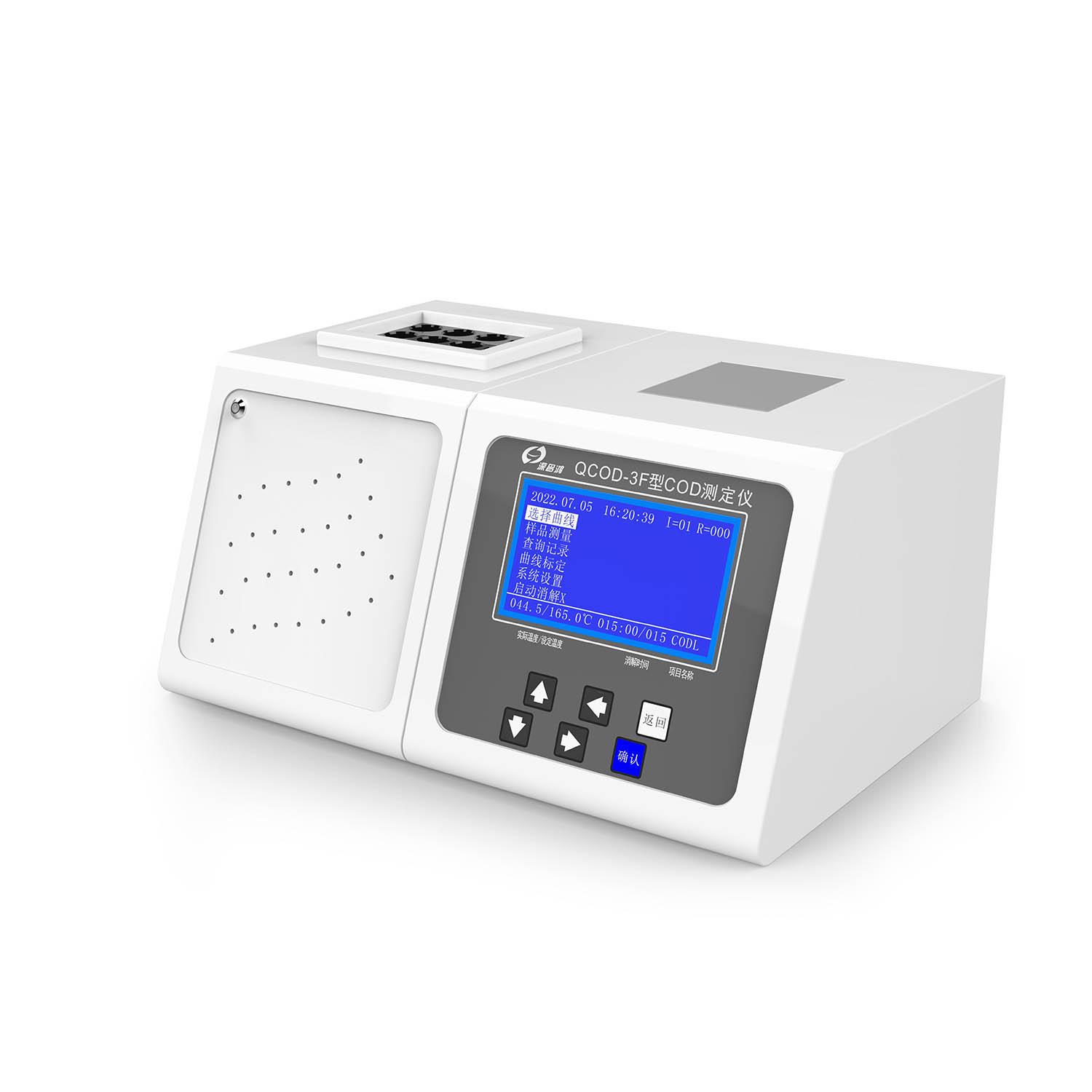
Water quality is a critical factor in environmental sustainability, public health, and industrial processes. With increasing demands for precise monitoring and management of water resources, advanced analytical instruments have become indispensable tools for professionals in environmental monitoring, wastewater treatment, and industrial effluent control. Among these tools, the SCH COD Analyzer stands out as an essential instrument for assessing water quality efficiently and accurately.
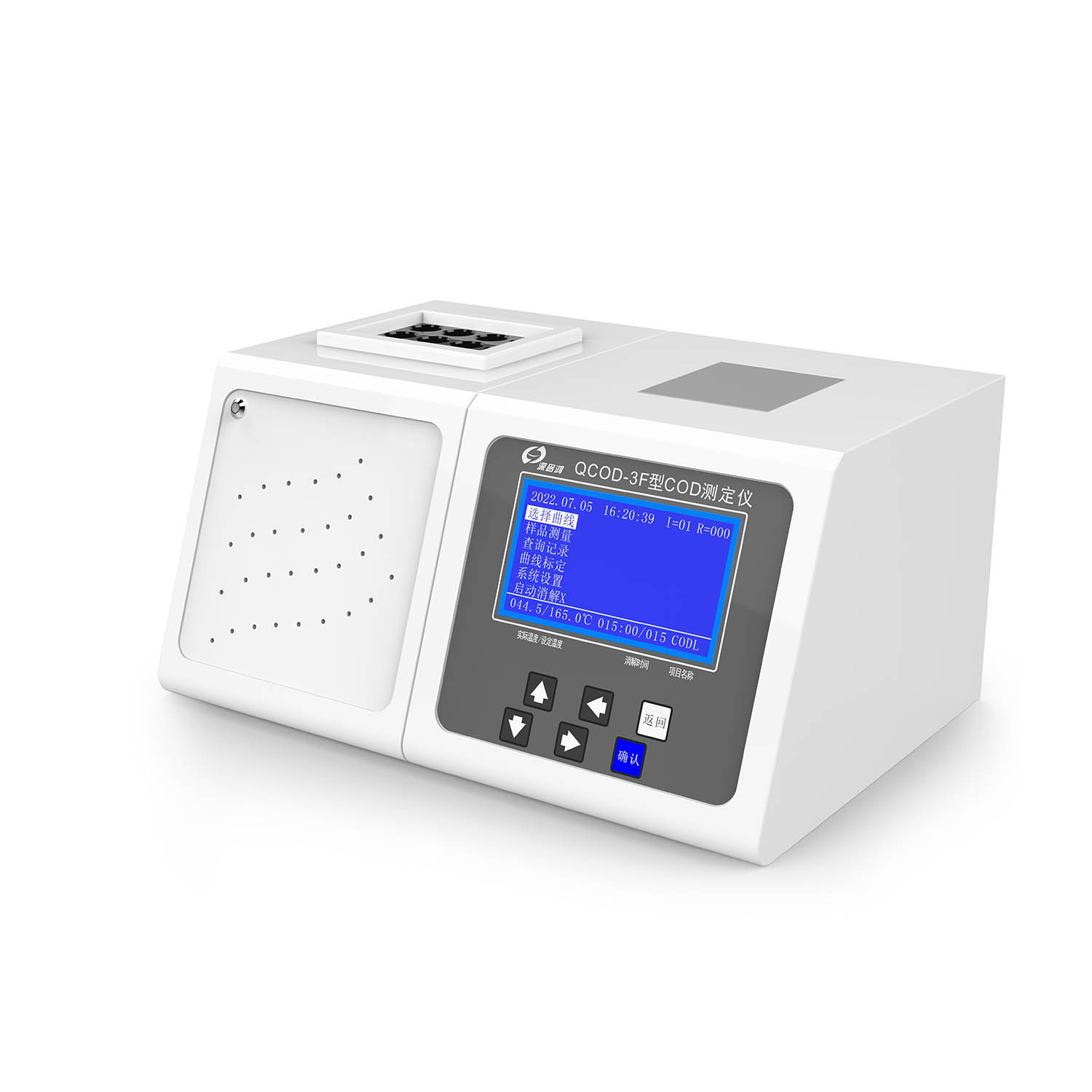
What is a COD Analyzer
A COD (Chemical Oxygen Demand) Analyzer is an instrument used to determine the amount of oxygen required to oxidize organic and inorganic compounds in water samples. Expressed in mg/L, COD values provide a quantitative measure of water pollution, reflecting the presence of organic matter and other oxidizable substances.
The COD Analyzer employs advanced technologies such as:
-
Cold Light Sources: Ensures stable illumination and high detection sensitivity.
-
Narrow-Band Interference Filters: Improves measurement accuracy by isolating the specific wavelengths required for COD determination.
-
Microcomputer Data Processing: Allows rapid calculation and direct digital display of COD values for immediate analysis.
These features enable users to obtain fast, precise, and reliable results, which are crucial for maintaining water quality standards.
Applications of COD Analyzers
The versatility of the COD Analyzer makes it suitable for multiple fields and industries:
1. Environmental Monitoring
Assesses water quality in rivers, lakes, and reservoirs.
Detects pollution levels caused by industrial discharge or agricultural runoff.
Provides essential data for environmental protection agencies and policy-making.
2. Wastewater Treatment
Monitors the efficiency of wastewater treatment processes.
Helps optimize chemical dosing and biological treatment stages.
Ensures treated water meets regulatory discharge standards.
3. Drinking Water Safety
Detects organic contaminants that may affect taste, odor, or safety.
Supports municipal water facilities in maintaining clean and safe water supplies.
4. Industrial Effluent Management
Measures COD levels in industrial wastewater from chemical plants, food processing facilities, and pharmaceutical industries.
Enables timely interventions to prevent environmental violations.
5. Food Processing Industry
Monitors water used in production lines to maintain hygiene standards.
Ensures effluent discharge meets environmental regulations.
6. Pharmaceutical and Chemical Industries
Assesses water quality used in formulations and manufacturing processes.
Helps maintain high-quality production standards while minimizing environmental impact.
Advantages of Using a COD Analyzer
Investing in a COD Analyzer offers multiple benefits for water quality management:
1. Rapid and Accurate Measurement
Advanced optical and electronic systems allow COD values to be displayed directly and quickly.
Minimizes manual calculation errors and reduces analysis time.
2. Enhanced Environmental Protection
Real-time monitoring enables timely interventions to reduce pollution levels.
Supports sustainable water resource management and regulatory compliance.
3. Data-Driven Decision Making
Provides essential quantitative data for industrial, municipal, and research applications.
Enables informed decisions on treatment strategies, process optimization, and environmental policies.
4. Versatile and Reliable
Suitable for laboratory testing, field monitoring, and industrial applications.
Works with various water samples, including raw water, wastewater, and process water.
5. User-Friendly Operation
Microcomputer-assisted interfaces simplify operation and reduce training requirements.
Digital displays provide clear and interpretable results.
How a COD Analyzer Works
The operation of a COD Analyzer typically involves the following steps:
Sample Preparation
Water samples are collected and, if necessary, filtered to remove large particles.
Oxidation Reaction
Samples react with oxidizing agents under controlled conditions to break down organic matter.
Optical Measurement
The instrument measures the resulting chemical change using light absorption or other optical methods.
Data Processing
Microcomputer systems calculate COD values and display them digitally.
This process allows operators to obtain precise COD measurements quickly, improving efficiency in both laboratory and field environments.
Why COD Analyzers Are Essential for Water Quality Management
Water quality management requires reliable, fast, and accurate assessment tools. The COD Analyzer meets these demands by:
Providing real-time data to monitor changes in water quality.
Helping environmental agencies track pollution sources and trends.
Supporting industries in maintaining regulatory compliance.
Reducing the risk of environmental hazards caused by untreated or inadequately treated water.
By integrating COD analyzers into water monitoring systems, organizations can enhance operational efficiency, safeguard public health, and support sustainable environmental practices.
Conclusion
The COD Analyzer is a critical instrument for modern water quality management, combining speed, accuracy, and versatility. Its applications span environmental monitoring, wastewater treatment, drinking water safety, and industrial effluent management, providing essential data for informed decision-making.
Whether in laboratories, industrial plants, or field monitoring stations, the COD Analyzer enables users to quickly assess water quality, optimize processes, and ensure compliance with environmental standards. For professionals committed to protecting water resources and maintaining high-quality standards, the COD Analyzer is an indispensable tool for efficient and reliable water management.
https://www.schinstrument.com/applications-and-advantages-of-cod-analyzers.html

 English
 Arabic
 Spanish
 Portuguese
 Deutsch
 Turkish
 Dutch
Dutch
 Italiano
 Russian
 Romaian
 Portuguese (Brazil)
 Greek
Greek
Warning: Undefined array key "_is_photo" in /home/senmarri/public_html/friend24.in/content/themes/default/templates_compiled/9ea4999d05077b6b690d81624544cd64a51b1299_0.file.__feeds_post.comments.tpl.php on line 27
Warning: Attempt to read property "value" on null in /home/senmarri/public_html/friend24.in/content/themes/default/templates_compiled/9ea4999d05077b6b690d81624544cd64a51b1299_0.file.__feeds_post.comments.tpl.php on line 27
" style="background-image:url(
Warning: Undefined array key "user_picture" in /home/senmarri/public_html/friend24.in/content/themes/default/templates_compiled/19bd7b5d2fc32801d9316dbc2d8c5b25c99e72c3_0.file.__feeds_comment.form.tpl.php on line 31
);">
/home/senmarri/public_html/friend24.in/content/themes/default/templates_compiled/9ea4999d05077b6b690d81624544cd64a51b1299_0.file.__feeds_post.comments.tpl.php on line 128
Warning: Attempt to read property "value" on null in /home/senmarri/public_html/friend24.in/content/themes/default/templates_compiled/9ea4999d05077b6b690d81624544cd64a51b1299_0.file.__feeds_post.comments.tpl.php on line 128
">