
Dubai is a city synonymous with architectural ambition. From the towering Burj Khalifa to the sprawling archipelagos of the Palm, the construction sector here does not just build structures; it builds legacies. However, the financial reality behind these iconic projects is often harsh. Construction in the UAE is a high-stakes game where margins are tight, timelines are aggressive, and the cost of error is astronomical.
For developers and contractors, the difference between a profitable project and a financial disaster often comes down to one factor: control. This is where professional management becomes non-negotiable. Utilizing expert project management services Dubai is not merely an operational expense. It is a strategic investment designed to protect your capital, streamline your workflows, and ensure that your vision does not exceed your bank balance.
This article details exactly how professional project management safeguards your construction budget, preventing the common pitfalls that drain resources in the competitive Dubai market.
The High Cost of Poor Planning
The most expensive phase of any construction project is not the build itself but the chaotic reaction to poor planning. When a project launches without a comprehensive roadmap, it invites scope creep. This phenomenon occurs when the requirements of a project increase over time without a corresponding increase in budget or schedule.
In Dubai, where client expectations are incredibly high, scope creep is a silent budget killer. A professional project manager acts as the gatekeeper. They establish a rigid baseline for the scope, schedule, and cost before a single shovel hits the ground.
By enforcing strict change order processes, project managers ensure that every alteration is analyzed for its financial impact. If a stakeholder wants to change a facade material or alter a floor plan, the project manager calculates the exact cost implication immediately. This transparency prevents the "death by a thousand cuts" scenario where minor changes accumulate into a massive deficit.
Navigating the Regulatory Labyrinth
The regulatory framework in the UAE is robust and complex. Approvals are required from multiple bodies, including the Dubai Municipality, DEWA (Dubai Electricity and Water Authority), and the Civil Defense. Navigating this bureaucracy requires precision.
Delays in obtaining No Objection Certificates (NOCs) or building permits do not just stall progress; they hemorrhage money. You are still paying for equipment rental, labor accommodation, and overheads even when the site is dormant due to a missing signature.
Specialized project management services Dubai focus heavily on compliance scheduling. Experienced managers know exactly which documents are needed and when. They run the approval process parallel to other preparation tasks to ensure that when the team is ready to build, the paperwork is ready to support them. Avoiding regulatory fines and work-stoppage orders is one of the most direct ways effective management preserves your budget.
BIM Integration: The Ultimate Cost-Saver
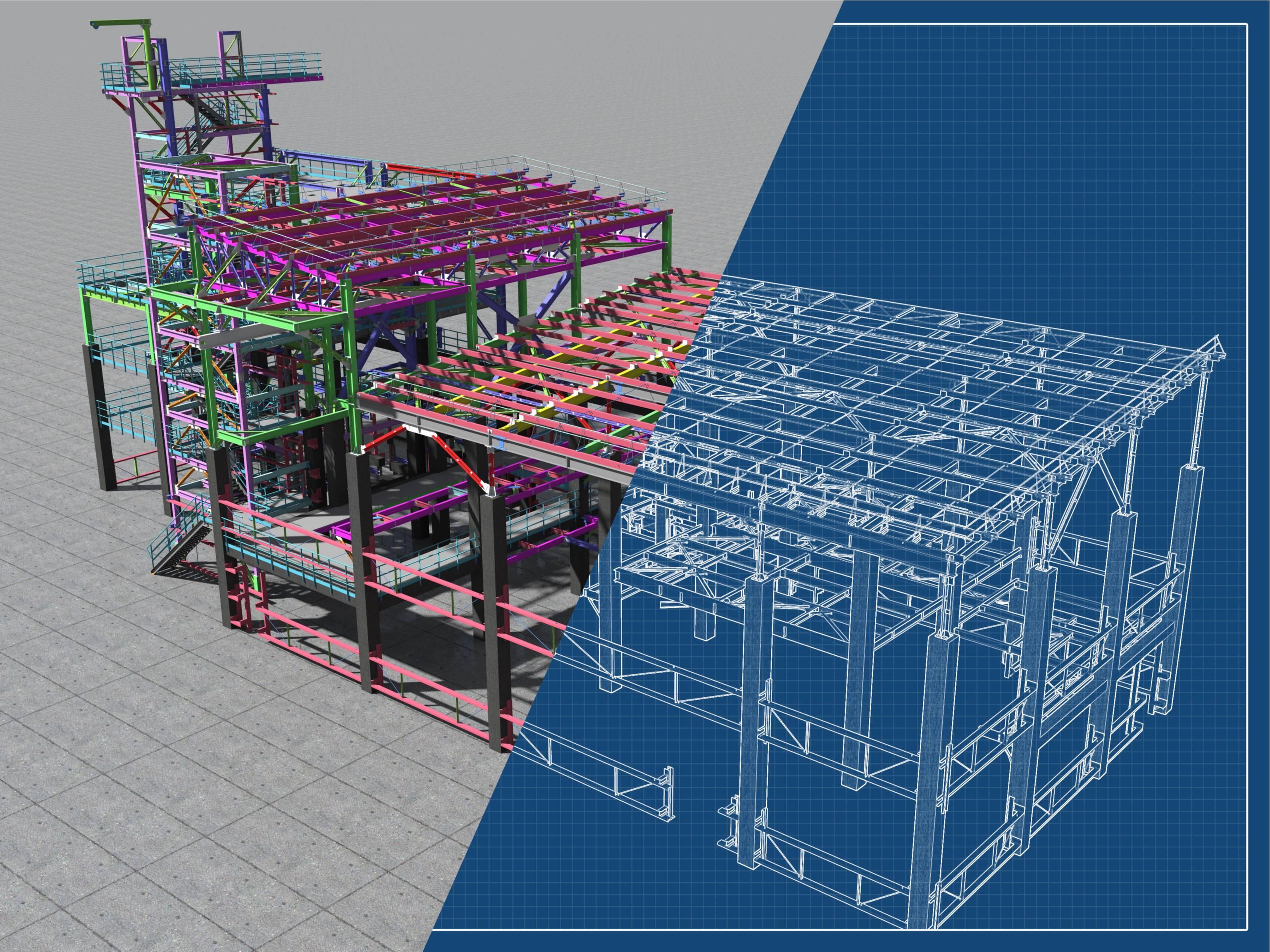
Modern project management is data-driven, and in the construction sector, Building Information Modeling (BIM) is the engine of that data. This is where the synergy between project management and engineering becomes vital.
BIM allows project managers to build the project virtually before building it physically. This "digital twin" reveals conflicts that would be disastrously expensive to fix on-site. For example, if a ventilation duct clashes with a structural beam, identifying it on a computer screen costs nothing but a few clicks to resolve. Discovering that same clash on the construction site requires tearing down work, ordering new materials, and paying for idle labor.
Top-tier project management services in this region leverage BIM for:
-
Clash Detection: resolving interdisciplinary conflicts during the design phase.
-
Quantity Take-offs: generating precise lists of materials to prevent over-ordering or shortages.
-
4D Scheduling: visualizing the construction timeline to optimize the sequence of work.
-
Cost Estimation (5D): linking cost data to the model for real-time budget tracking.
By integrating these technologies, project managers reduce rework, which is statistically the largest contributor to budget overruns in the construction industry.
Optimizing Resource Allocation
Labor and materials constitute the bulk of any construction budget. In an environment like Dubai, where the workforce is multinational and supply chains can be volatile, managing these resources requires military precision.
Inefficient resource allocation leads to two primary financial wastes:
-
Idle Time: Paying specialized labor or renting heavy machinery that sits unused because the site is not ready for them.
-
Expedited Costs: Paying premiums for rush delivery of materials because procurement was left to the last minute.
Project managers utilize critical path methodologies to align resources with the schedule. They ensure that steel arrives exactly when the foundation is cured and that electrical teams are deployed only when the framing is complete. This Just-In-Time (JIT) approach minimizes storage costs and reduces the risk of material damage or theft on site.
Mitigating Financial Risks
Risk is inherent in construction, but financial loss is optional. A core function of project management services Dubai is proactive risk management. This involves identifying potential threats to the budget early and creating contingency plans.
Risks in this region can range from fluctuating material prices due to global logistics issues to weather-related delays during the intense summer months. A project manager performs a quantitative risk analysis to estimate the potential cost of these events.
Instead of hoping for the best, they allocate specific contingency funds for high-probability risks. If the risk does not materialize, that money returns to the profit margin. If it does, the project absorbs the hit without derailing the overall cash flow. This foresight prevents the panic financing that often forces developers to take high-interest loans to finish a project.
The Financial Logic of Outsourcing
Many companies debate whether to hire an in-house project manager or outsource the function. When analyzing the budget, outsourcing often emerges as the superior financial choice.
Hiring a full-time, senior-level project manager in Dubai is expensive. You must account for a high salary, visa processing, health insurance, annual leave, and end-of-service gratuity. Furthermore, if the project is delayed or between phases, you are paying for overhead that is generating no value.
By engaging an external firm for project management services Dubai, you convert a fixed cost into a variable cost. You pay for the expertise only when you need it. These firms also bring a depth of knowledge that a single individual cannot match. You gain access to a team of schedulers, cost consultants, and BIM engineers for a fraction of the cost of employing them all directly.
Enhancing Communication and Accountability
Miscommunication is expensive. When architects, engineers, contractors, and subcontractors operate in silos, information gets lost. A contractor might work off an outdated drawing, or an engineer might specify a material that is no longer available.
Project management establishes a single source of truth. By centralizing communication, the project manager ensures that every stakeholder is working from the same data. They host coordination meetings and utilize collaborative software to track every decision and instruction.
This level of accountability prevents the "blame game" that leads to costly legal disputes. If a delay occurs, the project manager identifies the root cause immediately and implements a recovery plan, rather than allowing the issue to fester into a lawsuit.
Quality Control as a Budget Tool
It is a common misconception that higher quality costs more. In reality, poor quality is what destroys budgets. Cutting corners to save money in the short term invariably leads to expensive repairs and maintenance issues during the defects liability period.
Project managers enforce strict quality assurance protocols throughout the build. They ensure that work is done right the first time. This reduces the snag list at the end of the project and facilitates a smooth handover.
A seamless handover is crucial for the final release of payments and retention bonds. A project that drags on for months after substantial completion due to quality disputes locks up capital that could be used for future investments.
Conclusion: Making the Smart Choice
The construction landscape in Dubai is unforgiving to those who are unprepared. The complexity of modern builds, combined with tight regulatory and financial constraints, means that intuition is no longer enough to deliver a project on budget. You need systems, data, and experience.
Effective project management bridges the gap between design and reality. It aligns the goals of the stakeholders with the realities of the site. By controlling scope, leveraging technology like BIM, and optimizing resources, these services turn potential losses into retained profits.
When looking for a partner to navigate these challenges, you need a team that understands both the engineering technicalities and the local market intricacies. Your BIM Partner stands out as a premier choice for this role.
Specializing in project management services Dubai and professional BIM engineering, Your BIM Partner offers the technical expertise required to keep your project lean, efficient, and on budget. Their approach combines deep local knowledge with international standards of staffing and digital construction, ensuring that your investment is protected from day one. Do not let your budget evaporate due to lack of oversight; choose a partner that builds with precision.

 English
 Arabic
 French
 Spanish
 Portuguese
 Deutsch
 Turkish
 Dutch
Dutch
 Italiano
 Romaian
 Portuguese (Brazil)
 Greek
Greek
Warning: Undefined array key "_is_photo" in /home/senmarri/public_html/friend24.in/content/themes/default/templates_compiled/9ea4999d05077b6b690d81624544cd64a51b1299_0.file.__feeds_post.comments.tpl.php on line 27
Warning: Attempt to read property "value" on null in /home/senmarri/public_html/friend24.in/content/themes/default/templates_compiled/9ea4999d05077b6b690d81624544cd64a51b1299_0.file.__feeds_post.comments.tpl.php on line 27
" style="background-image:url(
Warning: Undefined array key "user_picture" in /home/senmarri/public_html/friend24.in/content/themes/default/templates_compiled/19bd7b5d2fc32801d9316dbc2d8c5b25c99e72c3_0.file.__feeds_comment.form.tpl.php on line 31
);">
/home/senmarri/public_html/friend24.in/content/themes/default/templates_compiled/9ea4999d05077b6b690d81624544cd64a51b1299_0.file.__feeds_post.comments.tpl.php on line 128
Warning: Attempt to read property "value" on null in /home/senmarri/public_html/friend24.in/content/themes/default/templates_compiled/9ea4999d05077b6b690d81624544cd64a51b1299_0.file.__feeds_post.comments.tpl.php on line 128
">